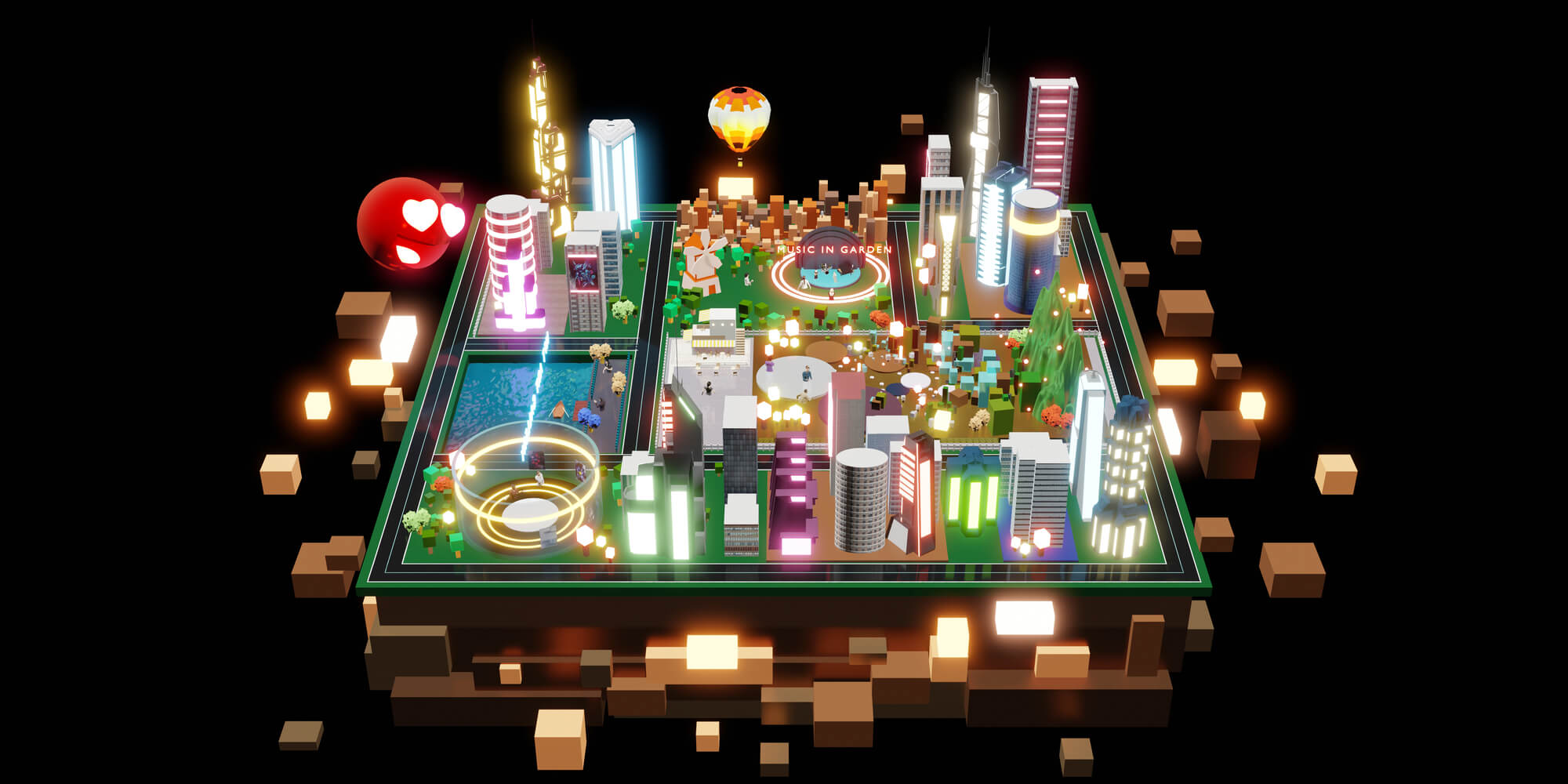
Digital real estate in the form of digital properties in virtual worlds represents a part of the metaverse. This is developing into a new asset class on the one hand and a billion-dollar market on the other. Findings based on the example of one of the largest crypto gaming projects currently: The Sandbox.
Similar to real estate, owners of virtual properties are able to build on them, use, sell or rent them out. Neverthelessdigital real estates are still difficult to grasp for a large part of our society. Many people ask themselves questions such as what is the point of owning a piece of land in the metaverse that cannot be accessed or why one piece of digital land should be worth more than another. In addition, there is the question of whether it is not possible to simply copy the digital land.
This report is based on the study "LAND Ho! Digital Real Estate in the Metaverse as an Emerging Asset Class". It addresses these and other questions. Moreover, the study explored the motivation behind owning virtual land and how it is priced.
Structure and content of the study
To provide a basic understanding of this comparatively young phenomenon, the report begins with a comprehensive introduction to the topics of metaverse and virtual worlds. This gives readers an idea of what exactly is involved and the reasons why the topics are becoming increasingly important. This is followed by analyses and statistical evaluations of the virtual world based on the example of The Sandbox. Among other things, these have revealed that neighborhood effects play a decisive role in the pricing of virtual land and that the price of digital real estate shows no significant correlation with other asset classes (e.g. shares, gold).
Digital real estate is a billion-dollar market
On the Ethereum (ETH) blockchain alone, digital parcels of LAND (virtual land) worth over $1.2 billion have already been traded. Most of the trading volume spans the three largest projects: The Sandbox, Otherside and Decentraland.
While the analysis conducted revealed significant correlations between the prices of various other asset classes (e.g. cryptocurrency, stock indices, gold, bonds, and real estate), no correlation of the same could be found with the price of LAND. These findings suggest that digital land can offer potential diversification benefits to investors. Additionally, it once again underscores the fact that digital real estate is still a very young asset class by comparison.



Location as an important factor for the LAND prizes
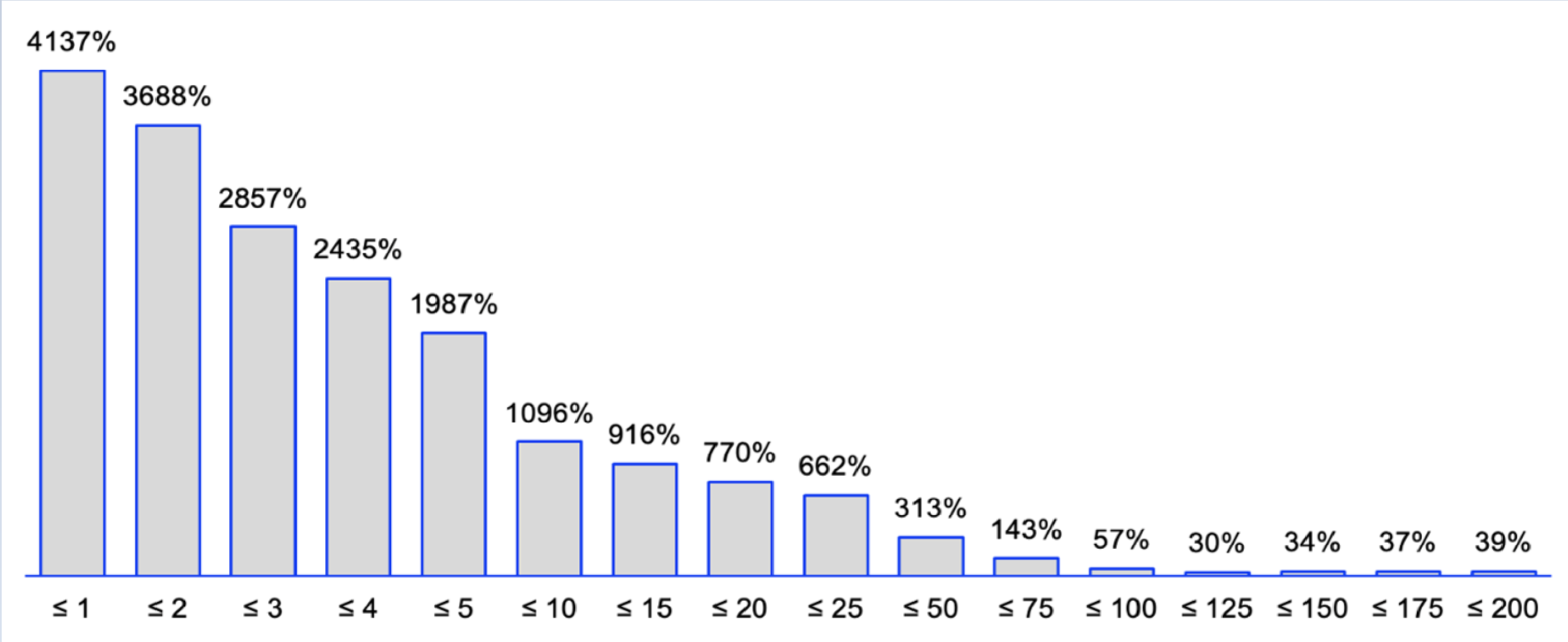
The analysis of data from seventeen well-known brands or prominent LAND owners (e.g. Adidas Originals, Snoop Dogg or Binance) in The Sandbox revealed that the price of digital land depends to a significant extent on the distance to the properties of such mostly popular owners. This result suggests that users are specifically looking for land in neighborhoods "inhabited" by well-known brands or celebrities.
Although such price-determining factors of traditional real estate markets in the real world seem fundamentally familiar (keyword location), the result is somewhat surprising given the differences between the analog and the virtual world. After all, the surrounding neighborhood and infrastructure do not play any comparable role in the virtual world from a purely practical point of view. This makes the results even more exciting.
Digital land near properties owned by celebrities, such as Snoop Dogg or Steve Aoki, has in the past been associated with a price increase of up to $25,509 and $17,233, respectively. After the announcement of the partnership between The Sandbox and Snoop Dogg, the value of digital land in the immediate area around Snoop Dogg increased by up to 4,137%. Similar, although smaller, effects could be observed for other prominent LAND owners (e.g. big brands or crypto companies).
Status quo and outlook
The Metaverse is in rapid growth. Blockchain-based digital worlds with crypto assets and digital real estate form a cornerstone of the Metaverse. This has steadily and clearly taken a noticeable lead as a result of speculation and investment opportunities.
Virtual worlds like The Sandbox allow their users to play, build, interact and participate economically. The underlying principle is not new as such. There have already been virtually designed 3D worlds for decades, such as Second Life. In these, people can already interact, play, trade and communicate through avatars. This suggests that the degree of financial and economic participation in the individual projects and the resulting revenues in particular are one of the main reasons for the success of virtual worlds. "Simple" users become direct beneficiaries who have a long-term economic interest in seeing the virtual world grow and prosper. In line with developments in the field of virtual worlds to date, it is reasonable to assume in this respect that users, owners, issuers and investors will enjoy long-term success with digital land.