The SEC plans to permit crypto custody by investment advisers and funds through state trust companies and, in narrow cases, on their own.

The SEC plans to permit crypto custody by investment advisers and funds through state trust companies and, in narrow cases, on their own.

According to a US Senate report, 84% of 846 Iran-linked wallets used almost only USDT, while Tether cites nearly USD 550 million in freezes.
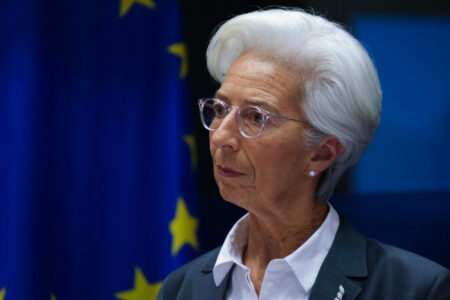
According to a WSJ report, Lagarde blocked the Binance license in Greece. The HCMC rejects that account, and the ECB declines to comment.

The SEC Innovation Exemption frees tokenized trading venues from exchange and dealer registration for five years, tied to volume limits.
The procedural vote on the Clarity Act missed the 60-vote threshold in the Senate, with four Republicans voting against their own caucus.

The revised Clarity Act runs to 630 pages ahead of the first Senate vote on September 15, but Democrats have not yet backed it.

Iran’s central bank tolerates crypto in export payments while the US Treasury has sanctioned four Iranian exchanges handling 78% of volume.

Coinbase wants to list stock perpetuals for round-the-clock trading in the US and needs CFTC approval on top of the SEC clearance.

Judge Failla has pushed the Roman Storm trial to April 2027, because she has not yet ruled on the Tornado Cash developer’s acquittal motion.
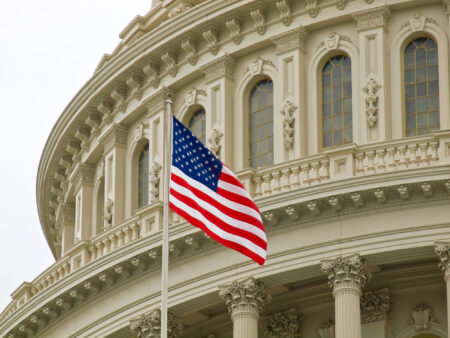
Coinbase-backed lobbying group Stand With Crypto endorses 32 House incumbents who voted for the Clarity Act, now stalled in the US Senate.

Trump says the CFTC under Chairman Michael Selig is working on regulated US market access for the perpetual futures exchange Hyperliquid.
The SEC’s proposed crypto issuance rules would exempt offerings up to USD 5 million from federal registration for four years.

US prosecutors in Atlanta unsealed the Edward Zimbardi indictment over a USD 165 million crypto Ponzi days after Fiji deported him.

Bitpanda’s MiCA penalty of EUR 70,000 concerns only formal and notification rules, while its license and client funds remain untouched.
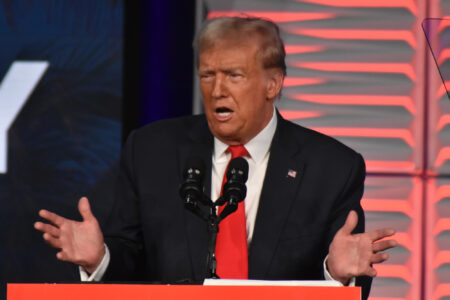
The OCC has conditionally approved a trust bank charter for World Liberty, allowing the Trump firm to issue the stablecoin USD1 itself in future.

Russian investigators obtained Binance client data on one user, which now underpins a terrorism charge over crypto donations to Ukraine.
Bitcoin in 2026 trades around USD 84,000, while US spot ETFs hold about USD 102 to 104 billion and listed companies 1.27 to 1.29 million BTC.

Unit bias leads crypto investors to favor low-priced coins. Why unit price is misleading and why market capitalization matters.