Geopolitical tensions and the use of the SWIFT payment network as a tool to enforce international sanctions have spurred interest in alternative systems. The BRICS countries are now developing their own payment infrastructure to reduce their dependence on Western systems.
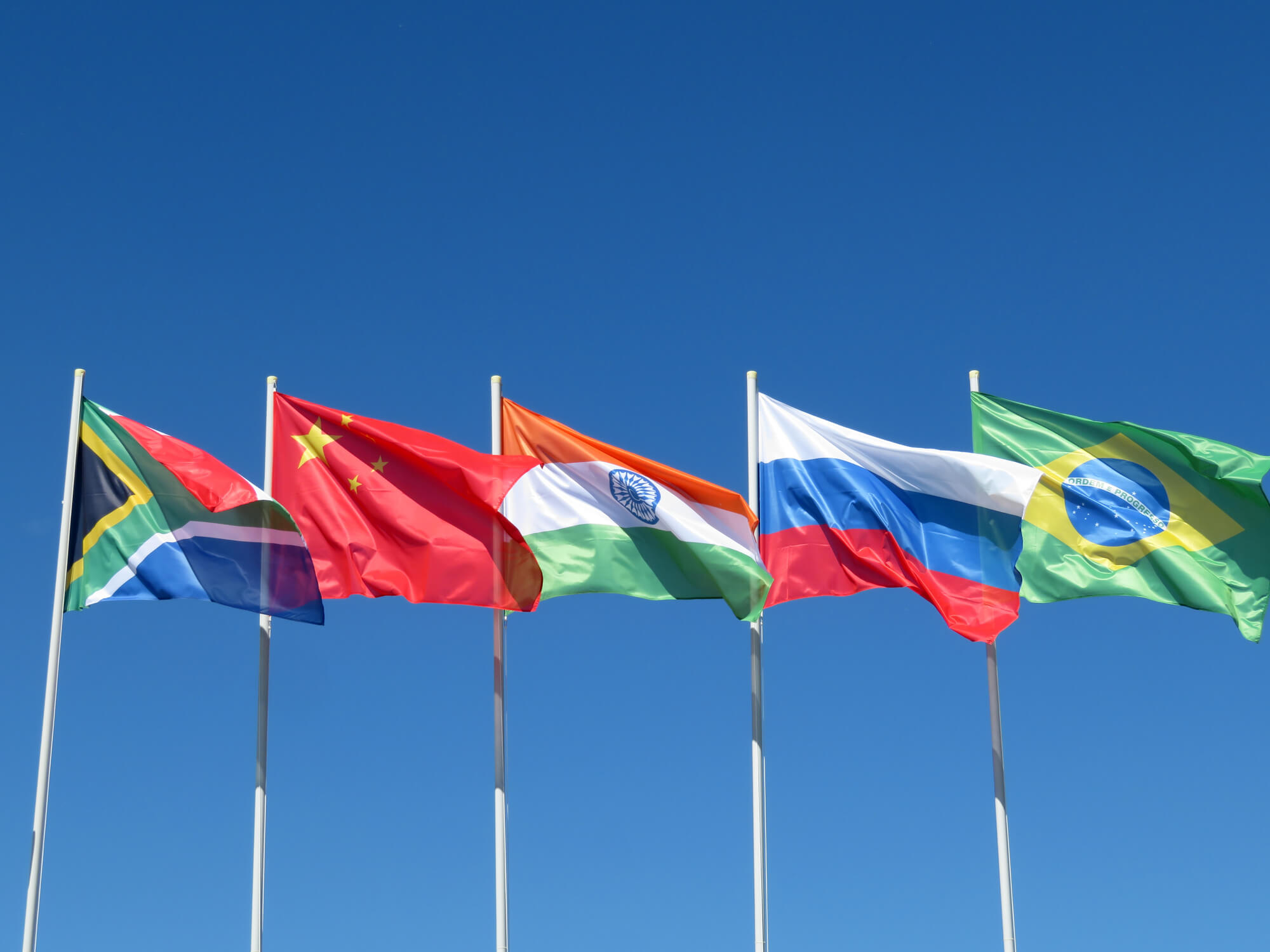
In recent years, geopolitical tensions, such as those between the US and China or between South American countries, have increased interest in alternatives to SWIFT. The BRICS countries are now taking matters into their own hands. BRICS is a supranational alliance of the original five founding members: Brazil, Russia, India, China, and South Africa. Egypt, Ethiopia, Iran and the United Arab Emirates have since joined. BRICS aims to reduce dependence on the Western-dominated SWIFT network and protect its economies from external pressures.
SWIFT dominated by the dollar
The SWIFT payment system has long been the backbone of international transactions, enabling secure and standardized communication between financial institutions. Since its inception in 1973, SWIFT (Society for Worldwide Interbank Financial Telecommunication) has become synonymous with the efficiency of global banking. The network processes billions of transactions and trillions of US dollars annually. Approximately half of global transactions are in US dollars, and 60-70% of international reserves are held in US dollars. This dominance promotes liquidity and confidence in the system, but it also centralizes power.
Countries engaged in international trade often hold large USD reserves to facilitate transactions. This exposes them to exchange rate risks and the economic policies of the Federal Reserve. Dependence on the USD also makes countries vulnerable to US sanctions. For example, Russia was suspended from the global SWIFT payment system shortly after its invasion of Ukraine. Iran has also faced significant economic challenges due to limited access to the SWIFT network.
BRICS currency strategy
The BRICS coalition aims to provide an alternative to the dollar-centric SWIFT system. Instead of relying on the U.S. dollar, the BRICS solution is based on the national currencies of the participating countries. This strategy is part of a broader effort to create a multipolar financial world, reduce dependence on a single currency, and increase economic sovereignty.
The diversified model of using multiple currencies could potentially stabilize exchange rates within the BRICS countries. By reducing reliance on the dollar, member countries can better manage their exchange rates and control inflation. There are already examples of member countries successfully using their own currencies in trade. For example, China and Russia conduct their bilateral trade in yuan and rubles, bypassing the dollar altogether. Such practices are likely to expand as the BRICS payment system becomes more established.
BRICS payment system
Russia took over the rotating presidency of the BRICS group in 2024. Yuri Ushakov, foreign policy adviser to the Russian president, said in an interview with TASS in March that creating an independent BRICS payment system is an important goal for the future. This system will be based on cutting-edge solutions such as digital technologies and blockchain, as long as it is convenient, cost-effective and free from political influence for governments, citizens and businesses.
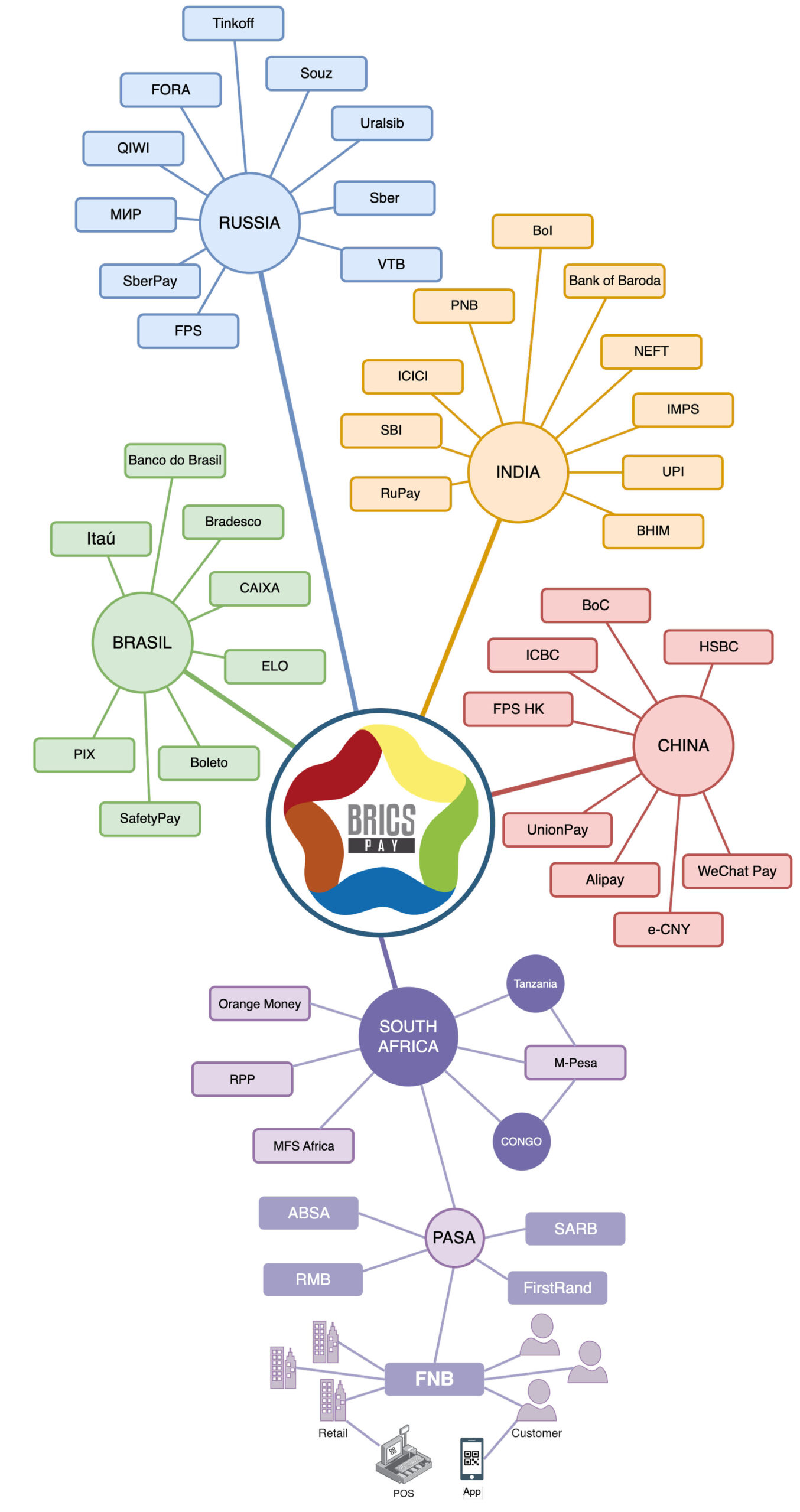
According to its website, BRICS PAY is a joint venture in which participants independently fund and develop solutions. It aims to combine traditional payment systems with technologies such as digital central bank currencies (CBDCs), decentralized finance, and tokenized assets (secured money). Businesses and citizens in participating countries will have new payment options available to them.
At the end of July, during negotiations in Moscow under the auspices of the World Trade Organization (WTO), the economic and trade ministers of the BRICS countries agreed to strengthen economic cooperation and pursue independence from the Western financial system. According to Valentina Matvienko, spokesperson for the Russian Federation Council, the digital settlement and payment platform within the BRICS countries is in a good state. She explained that the central banks and finance ministries of all BRICS countries are involved in the discussions, with Russia leading these initiatives.
Impact on the global financial system
It is worth noting that the success of the BRICS initiative could have a significant impact on the global financial system. The October BRICS Summit in Kazan, Russia, is expected to address this issue and make decisions on implementation and timelines. The move comes in response to ongoing sanctions and Russia's suspension from SWIFT.
"The existing SWIFT payment and settlement system has discredited itself. The dollar has discredited itself. If it is possible to take a foreign state's currency reserves and appropriate them, or use the income from the state's gold and currency reserves for other purposes - well, this is already plunder! It is a complete discrediting and destruction not only of the foundations of the world economy, but also of the world monetary, monetary and financial system." - Valentina Matvienko, Chairwoman of the Russian Federation Council