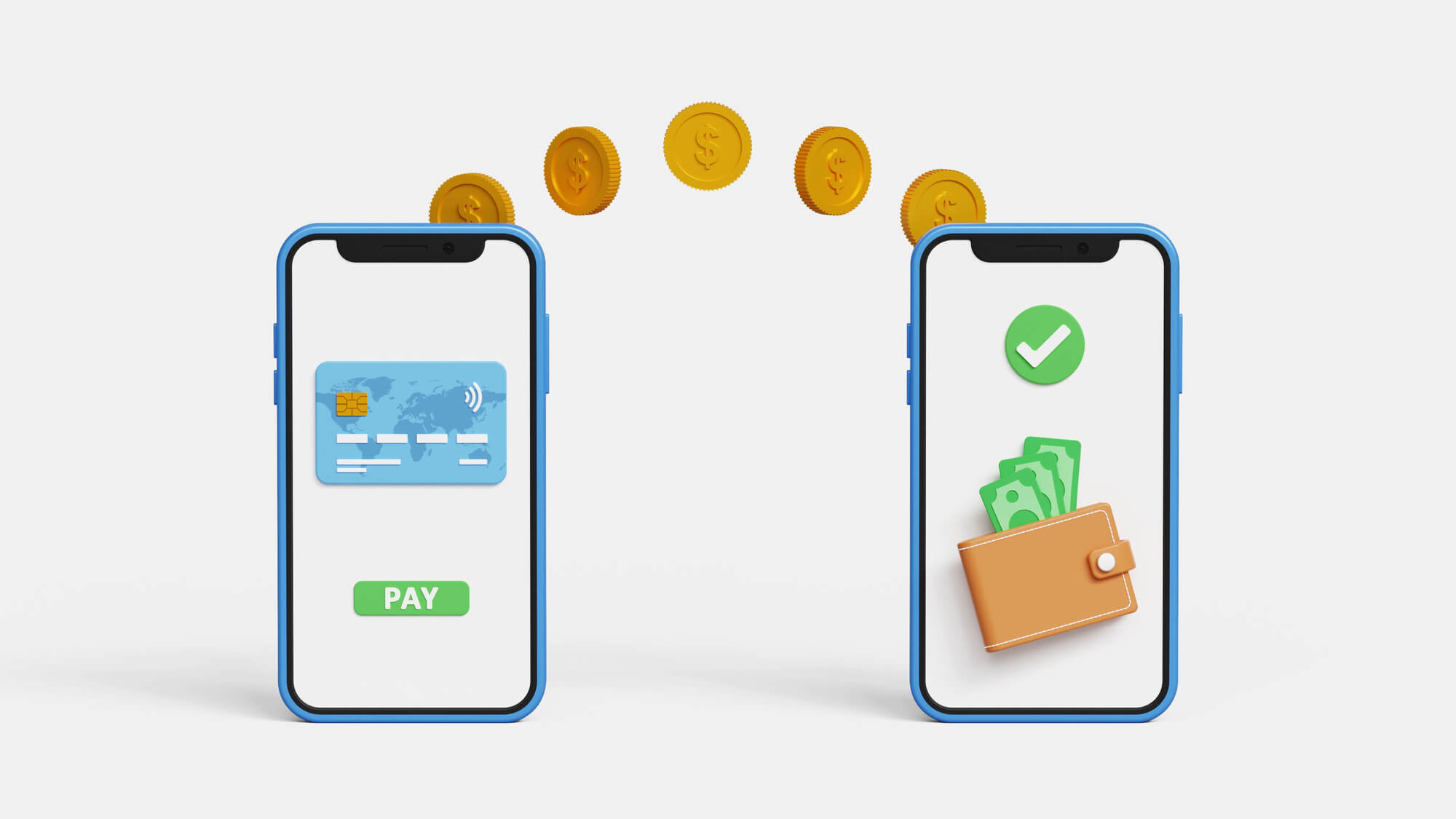
With the growing adoption of cryptocurrencies, user needs are also evolving. Beyond trading or investing, there is rising demand to use digital assets as a practical payment method.
This shift is embodied by PayFi (Payment Finance). Specifically, it is a technology that uses blockchain to change how people transact. It does so by blending DeFi principles with the speed of modern payment systems.
According to a recent research report from Bitget Wallet, faster transactions are the top driver of crypto payment adoption worldwide. In fact, 46% of respondents cited speed, while 41% pointed to global accessibility. Moreover, a separate survey found that 35% of users wish to use crypto for everyday payments.
What is PayFi?
PayFi is a financial model that combines traditional payment systems with blockchain technology. Its main goal is to make transactions faster, cheaper, and more transparent. Consequently, this model introduces a new approach to finance through three core mechanisms.
First, decentralization enables direct user-to-user transactions without relying on middlemen. Second, smart contracts allow payments to be processed both automatically and securely. Third, flexible liquidity supports the tokenization of real-world assets (RWAs). As a result, this expands payment and investment options. Together, these features represent a major step towards a more modern and efficient payment experience.
Where can you use PayFi?
PayFi works across multiple industries. From traditional commerce to emerging digital economies, many sectors already use its payment infrastructure. In particular, they aim to solve long-standing financial issues and unlock new growth.
1. E-commerce and online shopping
E-commerce stands as one of PayFi's most notable use cases. It addresses rising demand from younger consumers especially. Thanks to PayFi, merchants can overcome common payment processing issues. For example, it offers immediate settlement, lower fees, and strong fraud protection through blockchain security. Additionally, it can instantly convert crypto to fiat currencies. This widens the merchant's customer base - notably among crypto-native users.
2. Cross-border payments and remittances
PayFi is also well-suited to fix problems in traditional cross-border payment systems. These include long processing times and very high fees. By using blockchain-based settlement, this technology achieves real-time processing. Therefore, it removes the need for pre-funded accounts. It also cuts transaction costs significantly and provides transparent tracking for every exchange. Furthermore, it supports compliant operations and removes the limits imposed by time zones and banking hours.
3. Decentralized Finance (DeFi) and yield farming
PayFi greatly improves the usefulness of decentralized finance (DeFi) for everyday users. Notably, it introduces income-based solutions for borrowing. This often lets users get loans based on their earnings rather than needing large collateral. PayFi also streamlines yield farming - the process of earning returns on digital assets (yield farming). Specifically, it offers rewards in real-time and automatically reinvests them for faster growth. Meanwhile, smart contract integration enables faster loan approvals. As a result, these modern financial tools reach a wider global audience and improve financial inclusion.
4. B2B payments and supply chain finance
Corporate payments may also benefit from this new model. Companies managing international payments and supplier relationships often face lengthy payment cycles. They also deal with complex, costly expense management. However, PayFi addresses these issues by enabling real-time invoice settlement. It also provides automated crypto-to-fiat conversion for supplier payments. These features, combined with transparent tracking, reduce working capital constraints. Consequently, overall expense management becomes far simpler.
Can PayFi become the new global standard for payments?
PayFi is rapidly gaining momentum to reshape global payments. Indeed, this movement is powered by growing consumer demand and advancing technology. With ongoing work in Layer-2 solutions and cross-chain integrations, PayFi is becoming more scalable. Hence, it is also growing more attractive for both businesses and everyday consumers.
Certainly, current challenges remain relevant. These include evolving regulatory frameworks and crypto market volatility. Still, the technology's core benefits continue to drive adoption. Instant settlements, lower costs, and better security consistently attract new users. They also support diverse use cases. The strategic path forward involves broad collaboration with businesses and financial platforms. This will help further popularize PayFi and ensure seamless payments for individuals and enterprises alike. At the same time, advanced tools like artificial intelligence and data analytics will be crucial. They can help optimize cash flow, automate complex payments, and improve system performance.
Looking ahead, PayFi is set to evolve into a full financial ecosystem. Its ultimate vision is to bridge crypto and traditional financial services. This evolution will simplify access to modern financial tools for everyday users. Similarly, it will promote the widespread acceptance of digital assets in the real economy. With these ongoing developments, PayFi has the potential to become a new global standard for payments. It promises an unmatched level of convenience, transparency, and efficiency.
Disclaimer: This article is provided for general informational purposes only and does not constitute investment, legal, or financial advice, nor an offer or solicitation to buy or sell any financial instruments or digital assets. Any views expressed are based on current market observations and are subject to change. Past performance is not indicative of future results. Digital assets are volatile and may not be suitable for all investors. Readers should conduct their own independent research and seek professional advice before making any investment decisions.