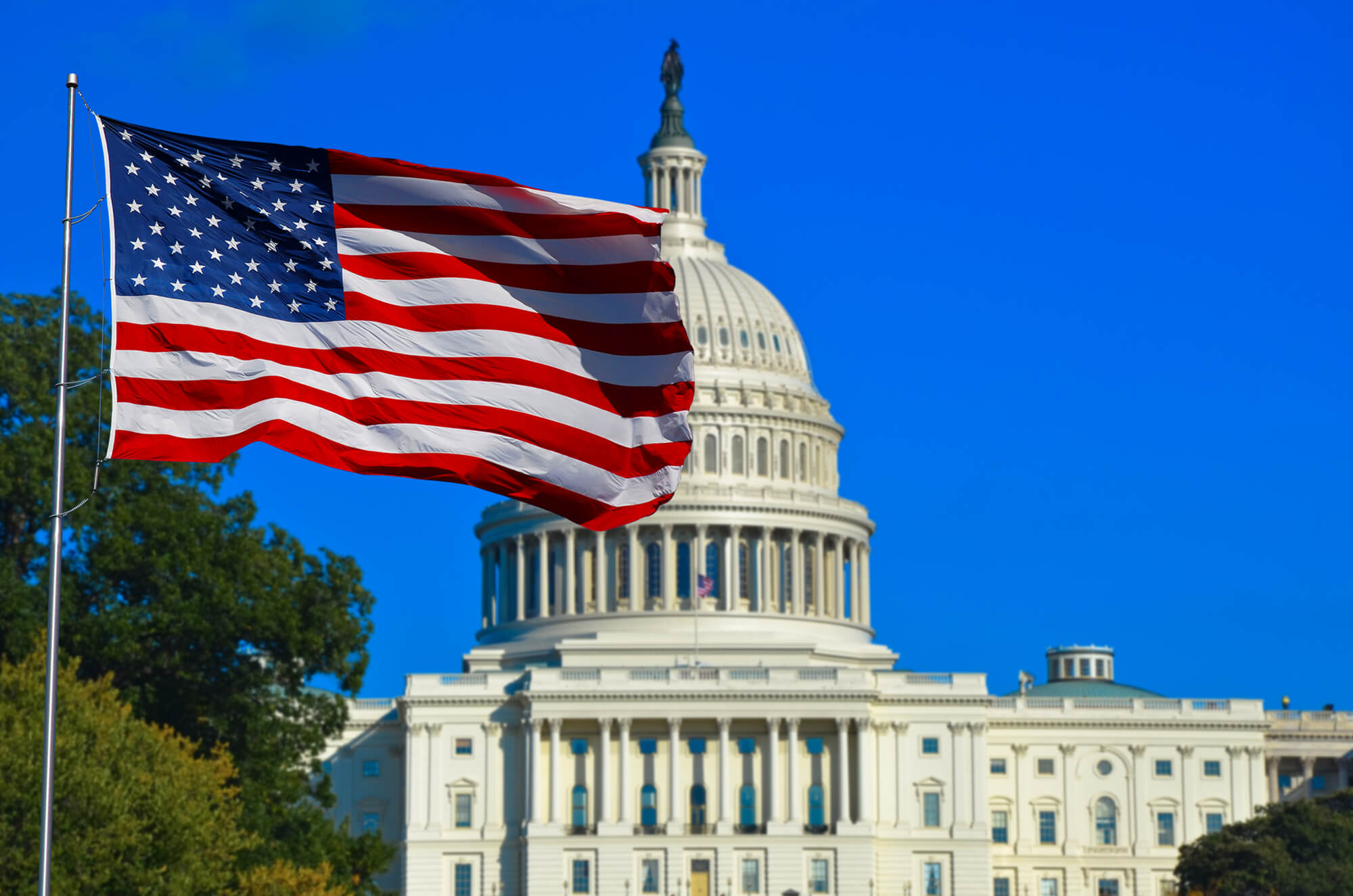
A long-awaited cryptocurrency bill has been introduced by bipartisan drafters in the upper chamber of Congress. The Responsible Financial Innovation Act shows a thoughtful understanding of the emerging industry as well as the goal of wanting to comprehensively regulate crypto.
The Digital Assets Act was authored by U.S. Senators Cynthia Lummis (R-WY) and Kirsten Gillibrand (D-NY) and introduced in the upper chamber of Congress. As it stands, the various provisions in the Responsible Financial Innovation Act are reasonable, sensible, and workable. It is intended to provide legal certainty for companies and participants to regulate the industry with a healthy measure.
Regulation with room for innovation
The bill establishes a clear standard for which assets are seen as commodities and which are seen as securities. Cryptocurrencies such as Bitcoin and Ethereum, as well as many others, would be classified as commodities by considering the purpose of the asset and the rights or powers conferred on the consumer. As commodities, these digital assets would be regulated by the Commodity Futures Trading Commission (CFTC). The same is true for spot exchange-traded funds (ETFs), which would be a key driver of widespread adoption.
Interestingly, the bill stipulates that the CFTC and the Securities and Exchange Commission (SEC) study the possible establishment of a self-regulatory organization (SRO) for the crypto industry. They would be required to report on the matter, as well as develop a proposal for the establishment of such a body. Both agencies would also need to consult with the Treasury Department and the National Institute of Standards and Technology to develop comprehensive guidelines for cybersecurity and cryptocurrencies.
In light of the recent collapse of TerraUSD, the Responsible Financial Innovation Act establishes a 100 percent reserve for stablecoins. This ensures that holders can exchange cryptocurrencies for the tied asset at any time. The bill also creates a detailed, optional framework for all banks and credit unions to issue their own stablecoins.
Legal certainty for the use of cryptocurrencies
Tax filing for crypto users can still be troublesome, and the Gillibrand and Lummis bill seeks to reduce those difficulties. It proposes that purchases of goods or services under $200 with cryptocurrencies no longer need to be reported to the tax authorities, which would make it easier for example to buy a coffee with bitcoin. Right now, regulations make this inconvenient. The bill also rolls back a provision of last year's infrastructure bill that subjected crypto miners to higher taxation.
The IRS is also supposed to classify cryptocurrencies as property. This means that only transactions on cryptocurrency exchanges will result in a capital gain or loss. Before Lummis-Gillibrand, any exchange of a token for any type of goods or services triggered a capital gain. The new proposal eliminates any tax on small transactions to encourage the use of cryptocurrencies.
The bill also mentions two areas of the crypto industry that have been hotly contested recently: the environmental impact of cryptocurrency and its potential inclusion in retirement accounts. The bill mandates the Federal Energy Regulatory Commission to analyze and report on energy use in the digital asset industry. In addition, the bill requires the federal regulator to study the opportunities and risks associated with allowing workers to invest in cryptocurrencies with their retirement accounts. The Government Accountability Office (GAO) will be required to conduct the analysis on investing retirement funds in digital assets and report its findings to Congress.
Adoption of the law only dreams of the future?
Many lawmakers are fighting for re-election in November, focusing on issues that can help them win elections. The midterm elections ultimately decide control of the Senate and House of Representatives. However, a recent Pew Research Center survey found that cryptocurrency regulation is not even among the top 20 issues.
As a result, most media outlets speculate that it will take at least a year before the regulations are signed into law in one form or another. It is also possible that the law will be divided into smaller components, which could then go through various committees and speed up the passage of selected provisions of the law.