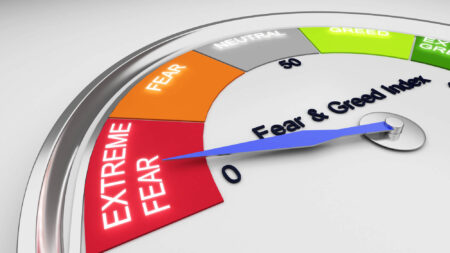
What has been happening this week in the world of blockchain and cryptocurrencies? Current events and background reports in our weekly review.
Selected articles of the week:
The New York Stock Exchange is working on a blockchain platform that could fundamentally transform stock trading. Instead of trading only during traditional market hours, investors will soon be able to trade tokenized securities around the clock – with instant settlement instead of the usual two-day waiting period. NYSE parent company ICE is partnering with major US banks BNY Mellon and Citi to enable tokenized deposits in clearinghouses. The move comes as no surprise: the US Securities and Exchange Commission approved a pilot program for tokenized Russell 1000 stocks in December, and the market for tokenized real-world assets quadrupled in 2025 to nearly 20 billion USD. Consulting firm McKinsey forecasts a volume of 2 trillion USD by 2030. However, the platform still requires regulatory approval before launch.
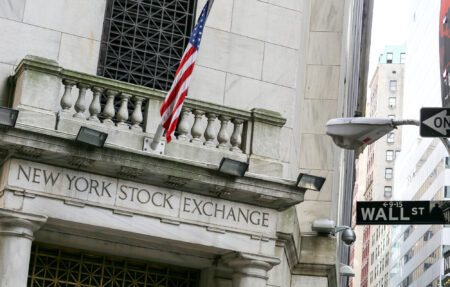
The New York Stock Exchange (NYSE) is developing a blockchain platform for tokenized securities with 24/7 trading and instant settlement.
Republican senator introduces alternative crypto regulation bill
The dispute over crypto jurisdiction in the United States enters its next round. Senator John Boozman presented a 155-page bill this week that would make the Commodity Futures Trading Commission the primary regulator for Bitcoin and other digital commodities – a direct alternative to the blocked Clarity Act. The draft creates four new regulatory categories for brokers, custodians, dealers, and trading platforms, while stablecoins and tokenized securities would remain with the SEC. However, prospects for passage look dim: Democratic Senator Cory Booker withdrew his support after months of negotiations. His reasoning: the CFTC lacks sufficient staffing – instead of the required five commissioners, only one is currently in office. Without Democratic votes, the bill lacks the necessary 60-vote majority in the Senate.
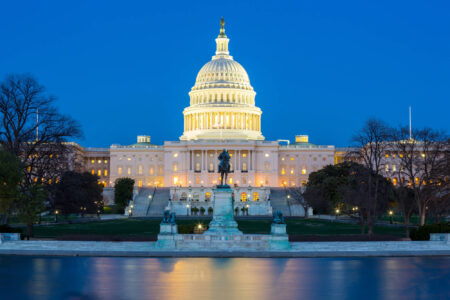
The US Senate introduces counter-proposal to the Clarity Act. The Digital Commodity Intermediaries Act grants the CFTC primary crypto oversight.
Why Bitcoin and gold are in demand as protection against currency debasement
The so-called debasement trade describes a phenomenon increasingly shaping financial markets: investors are reallocating capital into assets with built-in scarcity because they view cash as an active risk rather than a safe haven. The background is ongoing government debt – in the United States, debt exceeded 37 trillion USD in 2025, while global debt stands at over 300 trillion USD. The Dollar Index recorded its weakest six-month period in the first half of 2025 since the early 1970s. Investor response is reflected in prices: gold broke through the 4,000 USD per ounce mark for the first time, while Bitcoin reached a new all-time high of 126,198 USD. While gold points to millennia of stability, Bitcoin offers programmed scarcity – a maximum of 21 million units, fixed by code rather than politics. Bitcoin ETFs now hold over 1.3 million BTC, driven in part by this investment shift.

The debasement trade explained: how rising debt and weaker currencies are driving investors toward gold and Bitcoin.
Iranian central bank buys stablecoins against currency collapse
Iran is resorting to unusual measures to support its collapsing currency. According to blockchain analytics firm Elliptic, the Iranian central bank acquired at least 507 million USD in Tether between April and May through approximately 50 different crypto wallets. The rial lost nearly half its value in 2025, falling to 1.47 million per US dollar, while inflation reached 42.5 percent in December and food prices rose 72 percent. For the population, cryptocurrencies have long become a lifeline – approximately 22 percent of Iranians use them as protection against currency devaluation. The government responded in September with purchase limits of 5,000 USD annually, which citizens circumvent using borrowed identity documents. Iranian crypto exchange Nobitex controls 87 percent of local trading volume with 3 billion USD in turnover in 2025.

Iran increasingly relies on stablecoins like USDT to cushion the rial collapse. The central bank purchased 507 million USD in Tether.
Chainalysis report: illegal crypto transactions reach 154 billion USD
Criminal networks are using cryptocurrencies on an increasingly large scale. The new Crypto Crime Report from blockchain analytics firm Chainalysis puts the volume of illegal transactions for 2025 at least 154 billion USD – an increase of 162 percent compared to the previous year. The largest share is sanctions evasion, whose volume rose 694 percent. North Korean hackers were responsible for approximately 2 billion USD, including the attack on crypto exchange Bybit in February with 1.5 billion USD in Ethereum. Notable is the increasing professionalization: AI-powered fraud operations prove 4.5 times more profitable than traditional methods, while deepfake-based scams increased by 1,400 percent. Stablecoins now dominate 84 percent of all illegal transactions. Despite the increase, illegal activity remains below one percent of total crypto volume.
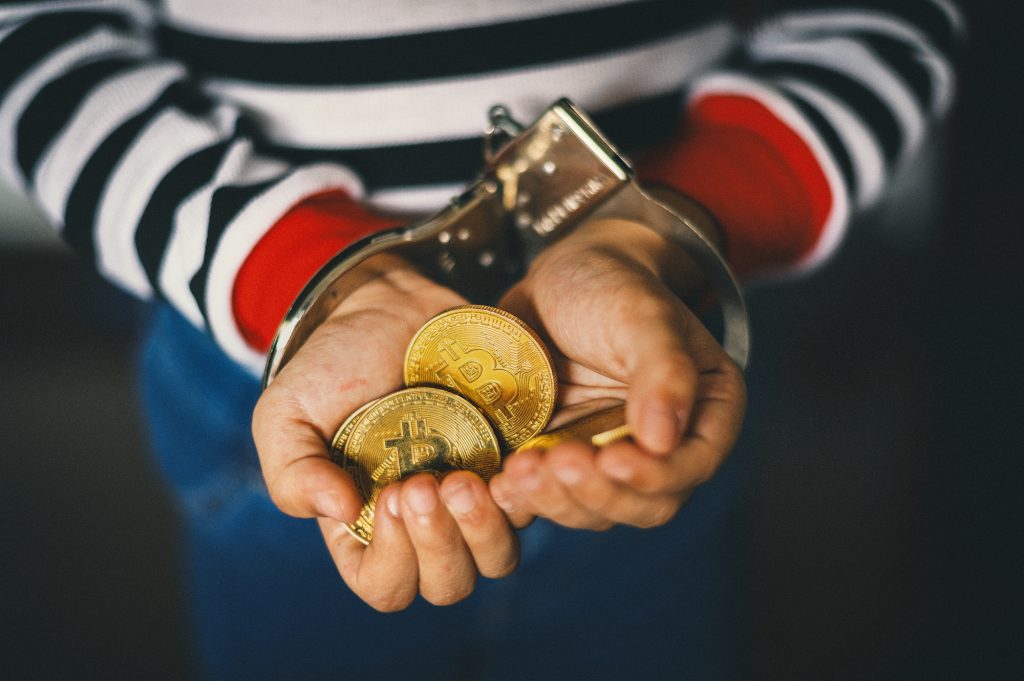
Illegal crypto transactions surged 162 percent in 2025. Bybit hack, North Korea’s Lazarus Group, and Russian sanctions evasion in focus.