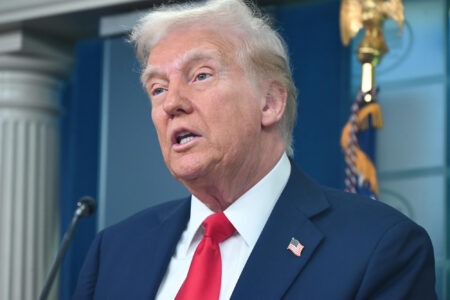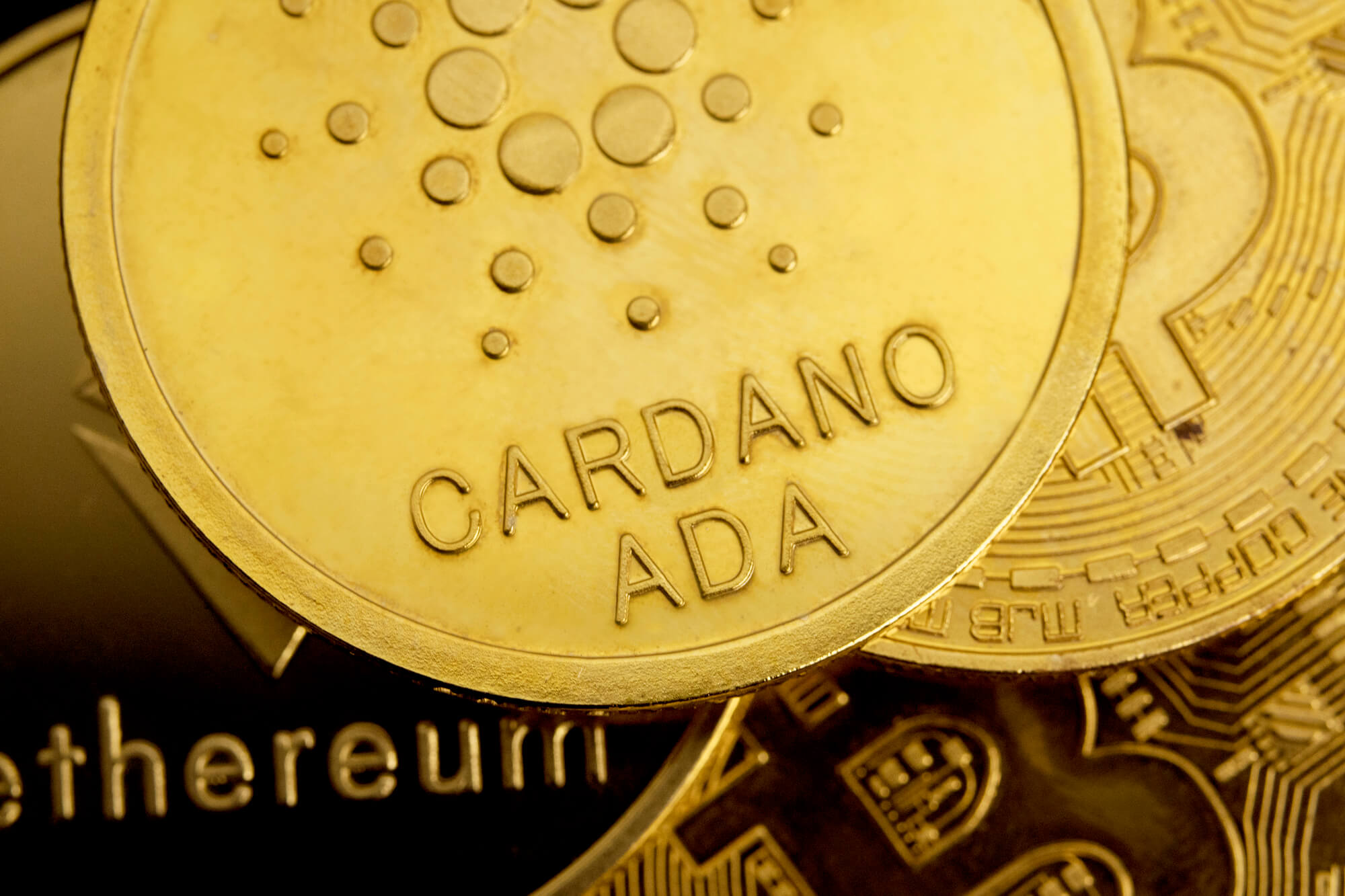
Charles Hoskinson, founder of Cardano and Input Output Global, has once again sharpened his dispute with Brad Garlinghouse. In a video interview, Hoskinson described the support of the US CLARITY Act by the Ripple CEO and the XRP community as "insanity".
In doing so, he continues a dispute over the planned US market structure regulation that has been running since January 2026. Hoskinson accuses Ripple of supporting a law that offers protection to established projects while effectively blocking market entry for new ones. The Cardano founder openly concedes that ADA would also benefit from the rule. Nevertheless, he rejects the legislation.
Mechanism of the Mature Blockchain Standard
The Digital Asset Market Clarity Act of 2025 (HR 3633) governs supervisory jurisdiction between the US Securities and Exchange Commission (SEC) and the Commodity Futures Trading Commission (CFTC) for digital assets. Initially, cryptocurrencies fall under SEC supervision and therefore qualify as securities. Only once a project can demonstrate sufficient decentralisation and market distribution does jurisdiction transfer to the CFTC. The law refers to this threshold as the "Mature Blockchain Standard".
This is where Hoskinson's criticism takes hold. By definition, new projects cannot meet the standard because they lack community growth, liquidity and broad token distribution. However, these conditions only emerge through exchange listings and investments, which fail to materialise without clear regulatory status. In contrast, established tokens such as XRP, Ethereum and Cardano benefit from a de facto grandfathering arrangement.
"If Ripple had been founded today, XRP would be a security under this law. Ethereum would be a security. ADA would be a security," Hoskinson argues. Furthermore, his second objection targets the political construction. Should Democrats later use the law, they could interpret it in such a way that every new project would permanently qualify as a security. As a result, according to Hoskinson's reading, the power to define the crypto market would still rest with the SEC.
Pragmatists versus purists
Garlinghouse publicly endorsed the Senate Banking draft on 14 January 2026. "Ripple and I know from experience that clarity is better than chaos, and the success of this bill is the success of crypto," the Ripple CEO stated. The position is backed by experience. Ripple fought the SEC from 2020 onwards and secured a partial victory. This ruling exempted XRP in secondary trading from securities classification, but not in institutional direct sales.
Hoskinson views this not as pragmatism but as self-interest. As early as 3 March 2026, he accused Ripple: "You climbed the ladder and then pulled it up so no one else could follow." In January, he had described the bill as handing over the "complete keys to the crypto kingdom" to the SEC. In the current interview, the Cardano founder addresses head-on the obvious objection that he himself would benefit from the rule.
"It is a law for the established. Cardano gets a free pass. XRP gets a free pass. Ethereum gets a free pass. So it is good for me. It is terrible for the industry." - Charles Hoskinson, Cardano founder
The debate between pragmatists and purists has shaped the US crypto industry since 2022. Garlinghouse's camp argues that imperfect rules are better than regulatory uncertainty. In contrast, Hoskinson's camp counters that a bad law would entrench structural disadvantages for a decade or longer. Moreover, the dispute now runs along business model lines. Established Layer-1 networks and listed companies such as Coinbase support the bill, whereas project founders concerned about future generations raise objections.



Status in the Senate and a tight window
The US House of Representatives passed the CLARITY Act on 17 July 2025 by 294 to 134 votes. In the Senate, however, the process has dragged. On 29 January 2026, the Senate Agriculture Committee passed its own version under the name Digital Commodity Intermediaries Act. By contrast, the Senate Banking Committee under Chairman Tim Scott has yet to schedule a markup. In April 2026, Senator Thom Tillis requested additional time for compromise talks with banking representatives on stablecoin yields. As a result, an April markup was ruled out.
More than 120 companies signed a joint letter calling for an immediate Senate vote. Signatories include Coinbase, Ripple, Kraken, Circle and venture capital firm a16z. Coinbase CEO Brian Armstrong had previously criticised an earlier Senate Banking draft. He objected to a de facto ban on tokenised equities as well as the removal of stablecoin yields. In addition, open points of contention include DeFi rules, stablecoin yields and ethics clauses on crypto investments by government officials.
On 22 April 2026, Senator Bernie Moreno set an ultimatum: if the bill does not clear Congress by the end of May 2026, an indefinite postponement looms. The backdrop is the summer recess in mid-August. Moreover, the legislation also affects the stablecoin market of roughly USD 317 billion. On 25 April, Polymarket priced the probability of passage in 2026 at 46%. Galaxy Research estimated the odds at "roughly 50-50, leaning lower". Therefore, the coming weeks will determine whether the dispute between Hoskinson and Garlinghouse produces political impact or whether US crypto market structure ends 2026 without new legislation.