
The Bank for International Settlements (BIS) has released a blueprint for the future of the monetary system. This concept presents a comprehensive approach to modernizing the financial system by leveraging the capabilities of digital technologies (CBDCs) and tokenization.
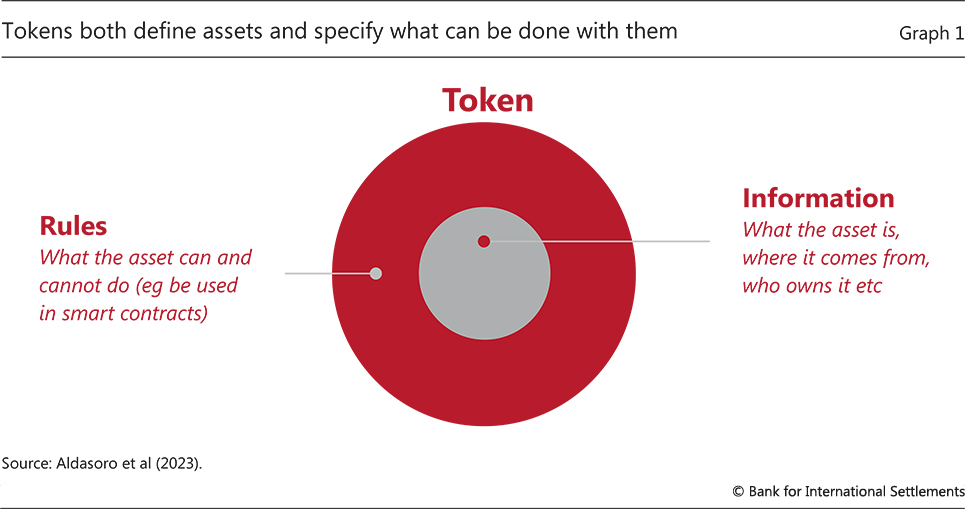
The centerpiece of the BIS concept is the idea of tokenization. In this process, real-world assets such as financial securities, commodities, or real estate are converted into digital tokens on a programmable platform. These tokens can then be easily transferred, traded, and recorded on the platform, offering numerous advantages. These include increased liquidity, the possibility of fractional ownership, enhanced transparency, and improved efficiency in the transfer and settlement of assets. The BIS suggests that a digital central bank currency (CBDC) would serve as the foundation for the digital trading of these assets.
The role of stablecoins and CBDCs
The BIS concept highlighted in its annual economic report emphasizes the importance of stablecoins and central bank digital currencies (CBDCs) for the future monetary system. While stablecoins often function as a medium of exchange within the current token ecosystem, the BIS argues that CBDCs, as digital forms of central bank money, provide a trust foundation crucial for the success of the tokenized system.
Although stablecoins are already being used within the crypto system, the BIS raises various concerns and risks. One concern expressed by the BIS is the potential lack of regulatory and supervisory frameworks for stablecoins. The absence of clear regulations and oversight can lead to uncertainties and challenges in ensuring the stability and integrity of these systems. Additionally, stablecoins can lose their peg. Such periods of instability undermine trust in stablecoins as reliable stores of value and means of payment, according to the BIS.
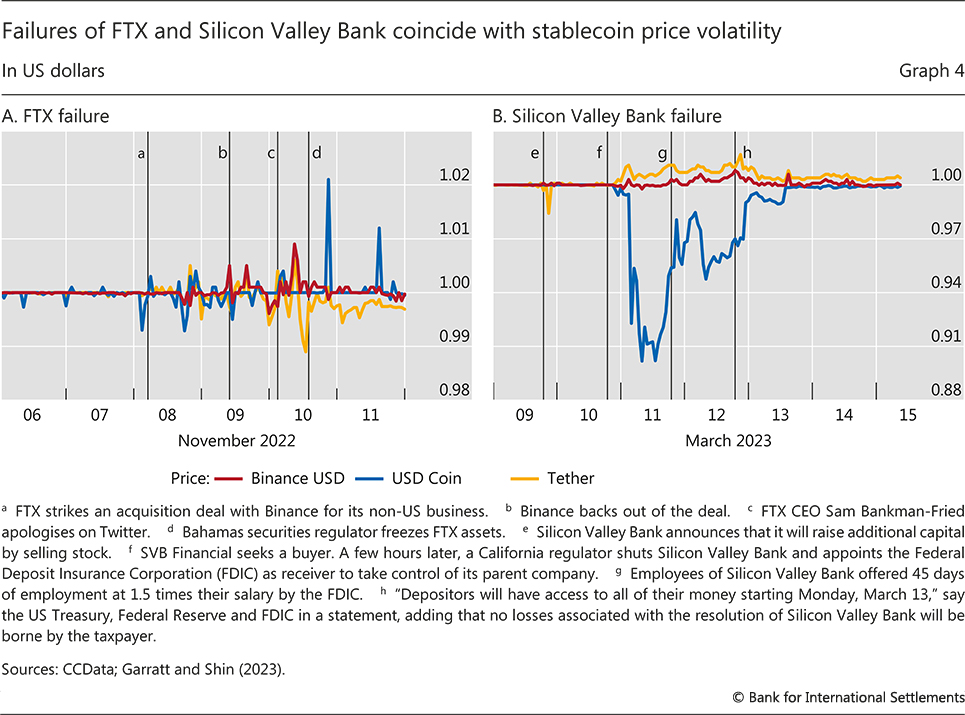
Furthermore, the BIS emphasizes the need for stablecoin issuers to effectively manage underlying collateral and coordinate the redemption and creation of stablecoins. This highlights the importance of robust risk management practices and governance frameworks to ensure the stability and integrity of stablecoin systems. While the BIS recognizes the potential benefits of stablecoins, it also emphasizes the importance of addressing regulatory, supervisory, and stability-related concerns.
Linking monetary systems (Unified Ledger)
Another key component of the BIS concept is the novel idea of the Unified Ledger. It refers to a financial market infrastructure that aims to overcome the boundaries of existing isolated systems. It envisions a system where different ledgers, each serving a specific application or purpose, are interconnected or merged. This unified ledger promotes interoperability and reduces the need for multiple compatibility layers. According to the BIS, the Unified Ledger offers a potential solution to enable economic agreements that were previously not possible within the confines of the current system.
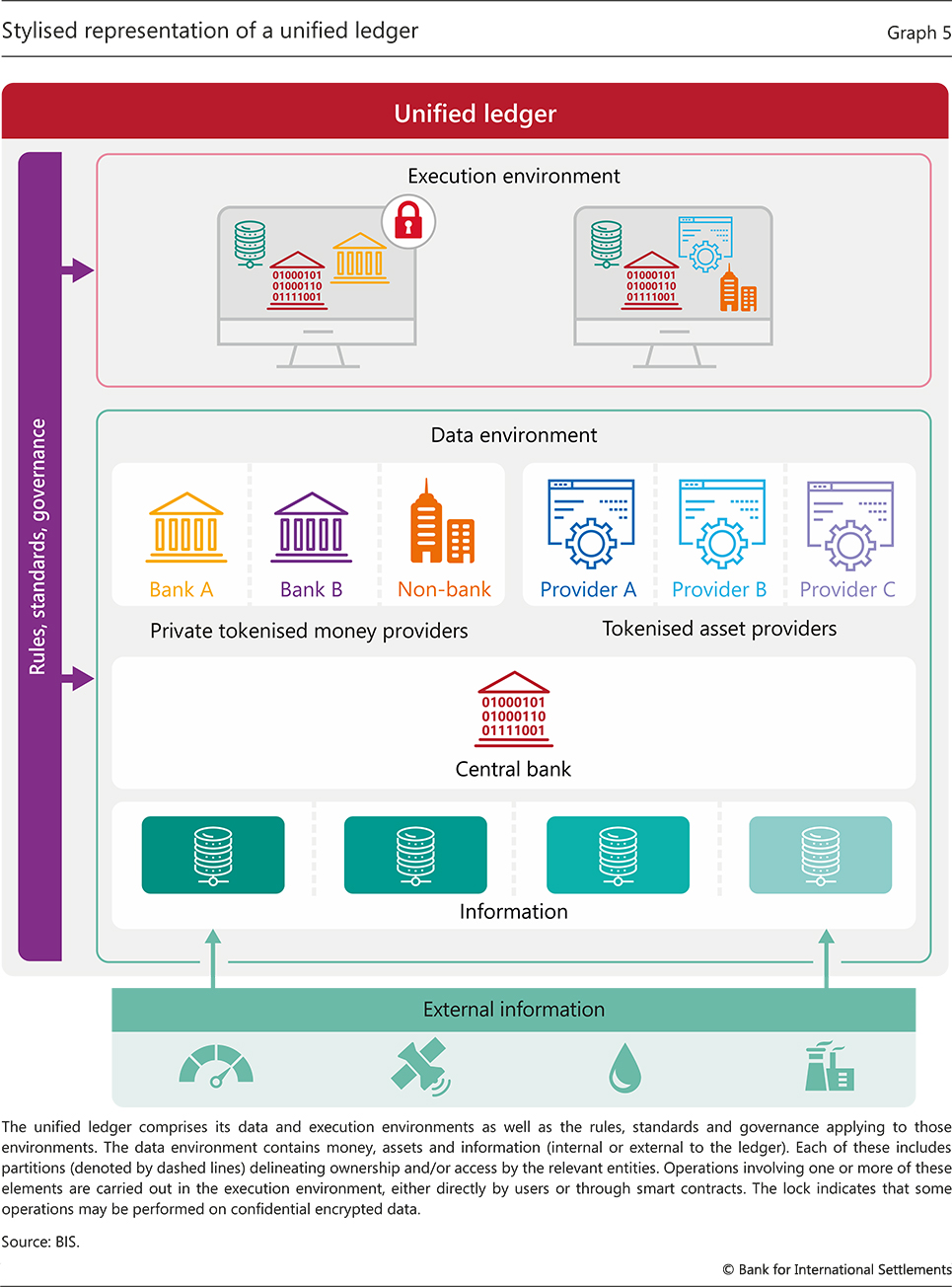
Tokenized forms of money would play a crucial role in each ledger, serving as a medium of transaction. These tokenized forms could include CBDCs and private tokenized deposits. The success of this new system, according to the BIS, depends on the trust foundation created by central bank money, underscoring the importance of CBDCs in the Unified Ledger system.
CBDCs not the sole use case for the BIS
The Unified Ledger can have a broad or narrow scope of application. The BIS expects the initial examples of such central ledgers to be application-specific, focusing on improving specific areas such as securities settlement or trade finance in supply chains. Each ledger would only bring together the intermediaries and assets necessary for its specific application.
The governance arrangements of each ledger would depend on its scope of application and the involved actors. As the scope of a ledger expands over time, it could include additional assets and companies or merge with other ledgers. This linking of separate ledgers can be facilitated through application programming interfaces (APIs) or by creating a "network of networks" where existing systems are interconnected.
Concentration of sensitive data
In the blueprint for the future monetary system, the BIS discusses the importance of privacy protection for users of the Unified Ledger. The concentration of different types of data, including transaction data combined with geolocation information and purchased products or services, raises concerns about data theft and misuse. The BIS emphasizes that privacy protection is a fundamental right and requires a conservative approach to the data management of a CBDC.
To ensure privacy, the blueprint proposes the creation of partitions in the data environment of the Unified Ledger. Each entity, such as banks or owners of tokenized assets, would only see the transactions and associated data within their own partition. Updates to the data environment would be initiated by the account holders using their private keys. These private keys are used for authentication and authorization of transactions, ensuring that only legitimate account holders can make changes to their own partition of the ledger's data environment.
Furthermore, the report recommends the use of encryption and other technologies to safeguard privacy and enable secure data sharing. When different entities interact in a transaction, information from different partitions needs to be shared and analyzed in the execution environment. Secure technologies for data sharing allow mathematical calculations to be performed directly on encrypted or anonymized data without revealing the underlying data.