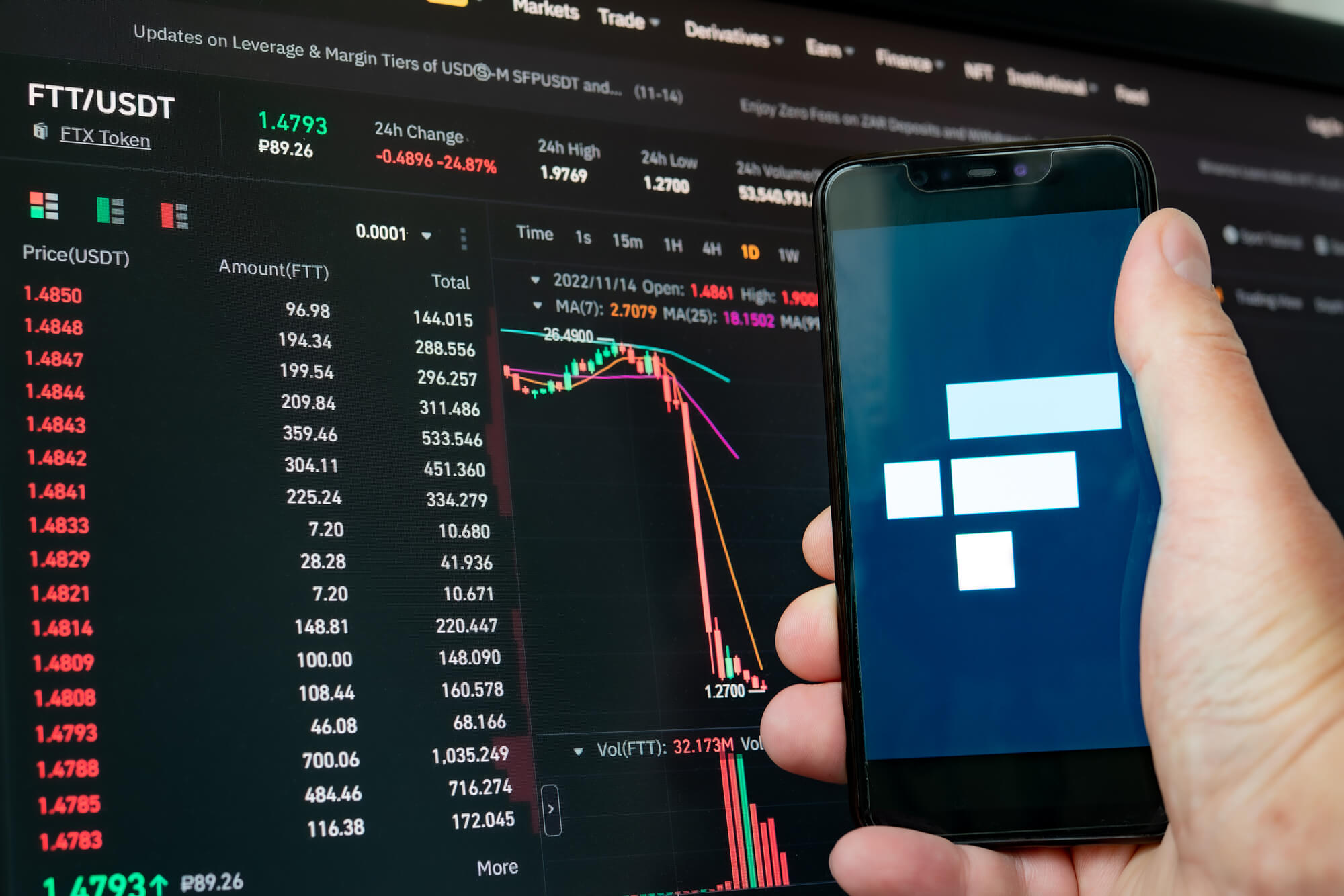
Two years after the scandalous collapse of the once second-largest cryptocurrency exchange, FTX, customer repayments of up to $16 billion are set to begin in the coming weeks. Does this mean a significant injection of liquidity into the crypto markets?
The story of FTX and Alameda Research started in 2017. At the time, Sam Bankman-Fried, a self-proclaimed "altruist," founded a quantitative trading firm with the goal of exploiting inefficiencies in the crypto markets. Shortly thereafter, the FTX exchange was founded. With notable venture capital investors, the platform became one of the most active crypto trading venues. Alameda Research, acting as a market maker, handled much of the trading volume. However, a critical detail remained hidden from the public: the trading firm had access to all of FTX's customer funds, which it used to make risky bets. After the onset of a new "crypto winter," Alameda filed for bankruptcy, taking the exchange down with it. Nearly two years later, former FTX customers are waiting for their first payouts.
FTX's obscure balance sheet
After the FTX Group filed for bankruptcy in mid-November 2022, an experienced bankruptcy trustee took over. John J. Ray III, who had helped manage the fallout from some of the largest corporate collapses in history, including the downfall of energy trader Enron after an accounting scandal in 2001, was assigned to the FTX case. But even he expressed shock shortly after taking over the case. In his career, he said, he had never seen such a comprehensive failure of corporate controls and such a total lack of reliable financial information.
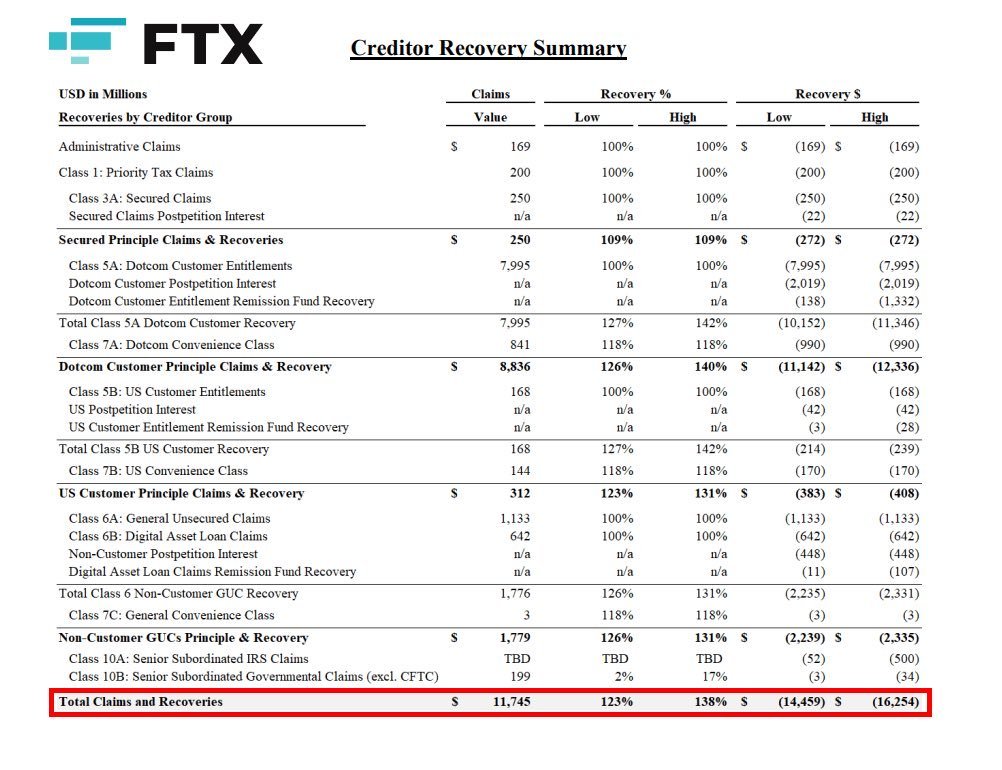
As a result, the balance sheet of the insolvent company is still not completely clear. According to court documents, creditors' claims amounted to approximately 16 billion USD. The latest restructuring plan indicates that FTX could fully repay between $14.5 billion and $16.3 billion. According to John J. Ray, this could mean that non-government creditors could recover up to 100% of their bankruptcy claims plus interest.
Not everyone will recover 100%
There are some nuances to these figures. Former customers' bankruptcy claims are based on crypto prices at the time of the bankruptcy filing in mid-November. At that time, bitcoin was trading at $16,000, ethereum at $1,250, and Solana at $9. So someone who held a bitcoin on the exchange at that time will get back 100% of the $16,000. Compared to today's price of $63,500, this is a painful sum. The extreme case is Solana: at today's price of 150 USD, means a "loss" of 94%.
Some commentators interpret the FTX payouts in dollars differently. Sixteen billion in fiat could soon be in the hands of crypto enthusiasts. The first payments are expected in October. A significant portion of the funds could be reinvested in the markets. Comparisons to the $18.5 billion in net inflows into bitcoin ETFs suggest strong buying pressure. But the fine print brings reality back into focus. This October, the restructuring plan will be presented to a court for the first time. If approved, FTX will have 60 days to make payments to creditors with claims of less than $50,000.
In total, non-government creditors will receive $12.3 billion, according to the FTX balance sheet. So the total was never going to be 16 billion. And it is estimated that this first group represents less than 20% of the total. By the end of the year, only two to three billion will have been paid out. Considering that up to 50% of the claims have been sold to financial institutions since the bankruptcy filing, the remaining amount looks rather modest. Repayments to creditors with claims over $50,000 are expected to occur in the second quarter of 2025.
FTX Distribution
False: Large accts. spreading false info, FTX distribution has started and/or start on 1st Oct etc and $16bn inflow
7th October: Plan hearingApprox No.
Est. $5.5bn claims bought (50%) - not crypto investors - won't reinvest in cryptoClaims <$50k:…
— Sunil (FTX Creditor Champion) (@sunil_trades) September 29, 2024