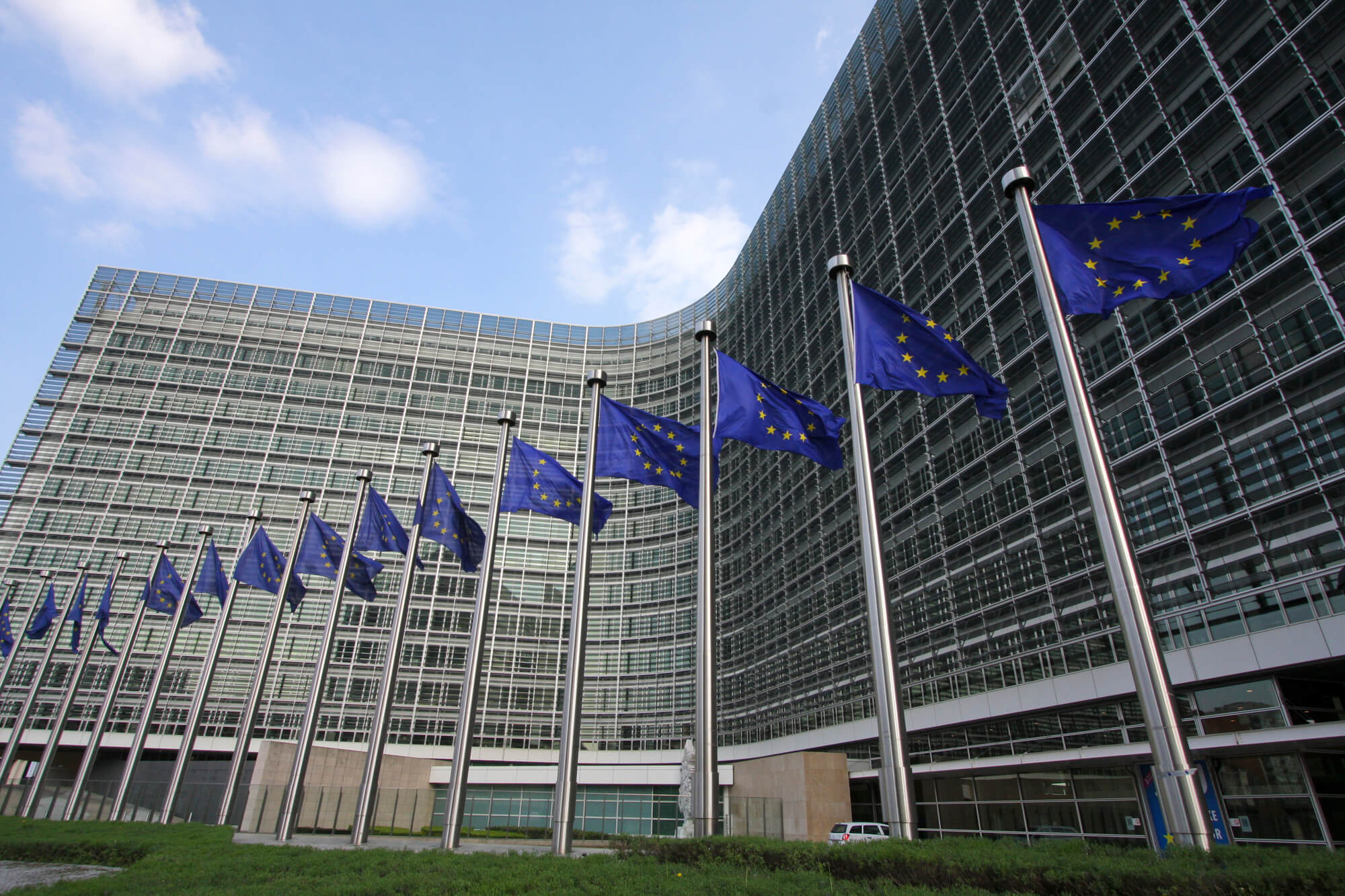
What is the state of crypto innovation and regulation in the European Union (EU) and how is the region navigating the emerging sector? The world is on the cusp of a new era of technological interactions, regulatory certainty is one of the main prerequisites of its adoption.
Crypto and blockchain-based developments now appear in many facets of reality both inside and out of the traditional crypto space. Governments around the world are on track for the development of their own digital currencies (CBDCs), while considering new regulations. International companies reveal new crypto and blockchain protocol integration for widespread use. In Europe, the Member States and the Union itself have their own approaches to space. From regulations and crypto trends to mining booms and startups, the European decentralized space is one to watch.
The EU: A market overview
According to a September report from Chainalysis, Europe is the world’s largest crypto market in terms of transaction activity. The report narrows the focus on the regions of Central, North, West Europe (CNWE). Over $1 trillion worth of crypto has flowed into this region over the last year, which caused it to move from its previous second-place ranking. In addition, crypto-related activity declined in Asia. The ban of cryptocurrencies and mining in China gave way for other locations to move up on the leaderboard.
Moreover, a large number of crypto transactions across the continent were carried out via DeFi protocols. The Union’s DeFi activity continues to climb, especially as places like the U.S. tighten regulations. However, with market growth and maturity comes the watchful eye of regulators. In Europe, those with business to do in the crypto market have two layers of bureaucracy. The first is the crypto legislature in place from the European Union as a legal body. The second comes from the national regimes of European member states.
Crypto legislation in the EU
As the EU has a tiered system of legislation, the clarity of regulation can be murky. Florian Glatz, a blockchain lawyer and Co-Founder of the EU Crypto Initiative, clarified the situation in the EU. His initiative specializes in crypto and DeFi education for legislators in the Union.
“When it comes to regulations of financial markets, which is the main area of interaction right now between crypto and regulation, this is mostly an EU topic. It’s an EU topic because the Union has harmonised this market already through the MiFID II regulation, which is essentially the European securities law.” - Florian Glatz, Co-Founder EU Crypto Initiative
Therefore the Union’s preliminary actions on crypto set the stage for all 27 countries under its economic and political jurisdiction. Member States cannot do much solely on their own without the incorporation of the final EU legislation. Moreover, the regulation which is most important for EU crypto market interactions is the soon-to-be Markets in Crypto-Assets (MiCA). According to Glatz, this MiCA regulation is part of a complete finance package. It contains five or six different regulations and directives, and MiCA was one of them.
Markets in Crypto-Assets (MiCA)
According to the EU, the MiCA has an aim to harmonise the European framework for the issuance and trading of various types of crypto tokens as part of Europe’s Digital Finance Strategy. This new legislation covers cryptocurrencies such as Bitcoin and Ethereum in addition to stablecoins, which are a hot topic among global regulators. It also includes CBDCs or security tokens which can be classified as financial tools.
“The problem arises when this regulation inadvertently starts to touch on things it didn’t intend to really regulate. Especially if it doesn’t have an idea of how to appropriately regulate. This is most pressing when it comes to decentralised use cases because decentralised use cases obviously don’t have this typical intermediary based structure. There’s also a range of spectrum of how decentralised something really is in the end. This MiCA regulation has no concept whatsoever to deal with any of those questions.” - Florian Glatz
The MiCA proposes an overarching legal framework for assets, markets, and service providers. All of which are currently not regulated on an EU level. Though to touch back on how tricky EU implementation is, the regulation, once adopted EU-wide, will apply to all Member States. However, the implementation thereof in national law will not be required.
A decentralized future
Given Europe’s position as a growing DeFi hub, these initial moments of regulation or lack thereof are critical to future innovation. Since the proposed MiCA legislation doesn’t do the DeFi industry justice, one option is to not include it for the moment. The EU Crypto Initiative's short term goal or initial need was to simply exclude decentralised use cases from that regulation.
However, in the future, the idea is not to exclude DeFi, rather provide a legal space for DeFi development. The idea would be to allow projects in Europe that want to do something of a more decentralised nature a place to experiment safely, without being overly concerned of doing something illegal.
The EU was open to this experimentation idea, but only for regulated players. What the EU Crypto Initiative is asking for is an opportunity for the unregulated players, who, according to them, are actually driving the innovation here. Even as a strategic move in Europe, they recommend letting the projects grow and then tailor the regulation to reach the goals of the regulator while keeping those projects in place.