Close Menu
Crypto Valley Journal
    Facebook X (Twitter) Instagram
    Crypto Valley Journal
    • Hot Topics
      • News
      • Minds
    • Focus
      • Background
      • Blockchain
      • Legal & Compliance
      • Non-Fungible Token (NFTs)
    • Investing
      • Markets
      • Financial Products
      • Decentralized Finance (DeFi)
      • Exchange overview
    • Education
      • Basics
      • Glossary
      • Politicians on crypto
    • Statistics
      • Bitcoin-ETF-Flows
      • Ethereum-ETF-Flows
      • Crypto market data
      • On-chain data
    • Academy
      • Overview
      • Part 1: Blockchain
      • Part 2: Money
      • Part 3: Bitcoin
      • Part 4: Cryptocurrencies
      • Part 5: Decentralized Finance
      • Part 6: Investing
    • English
      • Deutsch
    Crypto Valley Journal
    You are at:Home»Hot Topics»News»The Australian Central Bank is looking into central bank digital currencies bitcoin

    The Australian Central Bank is looking into central bank digital currencies bitcoin

    By Editorial Office CVJ.CH on 25. February 2020 News

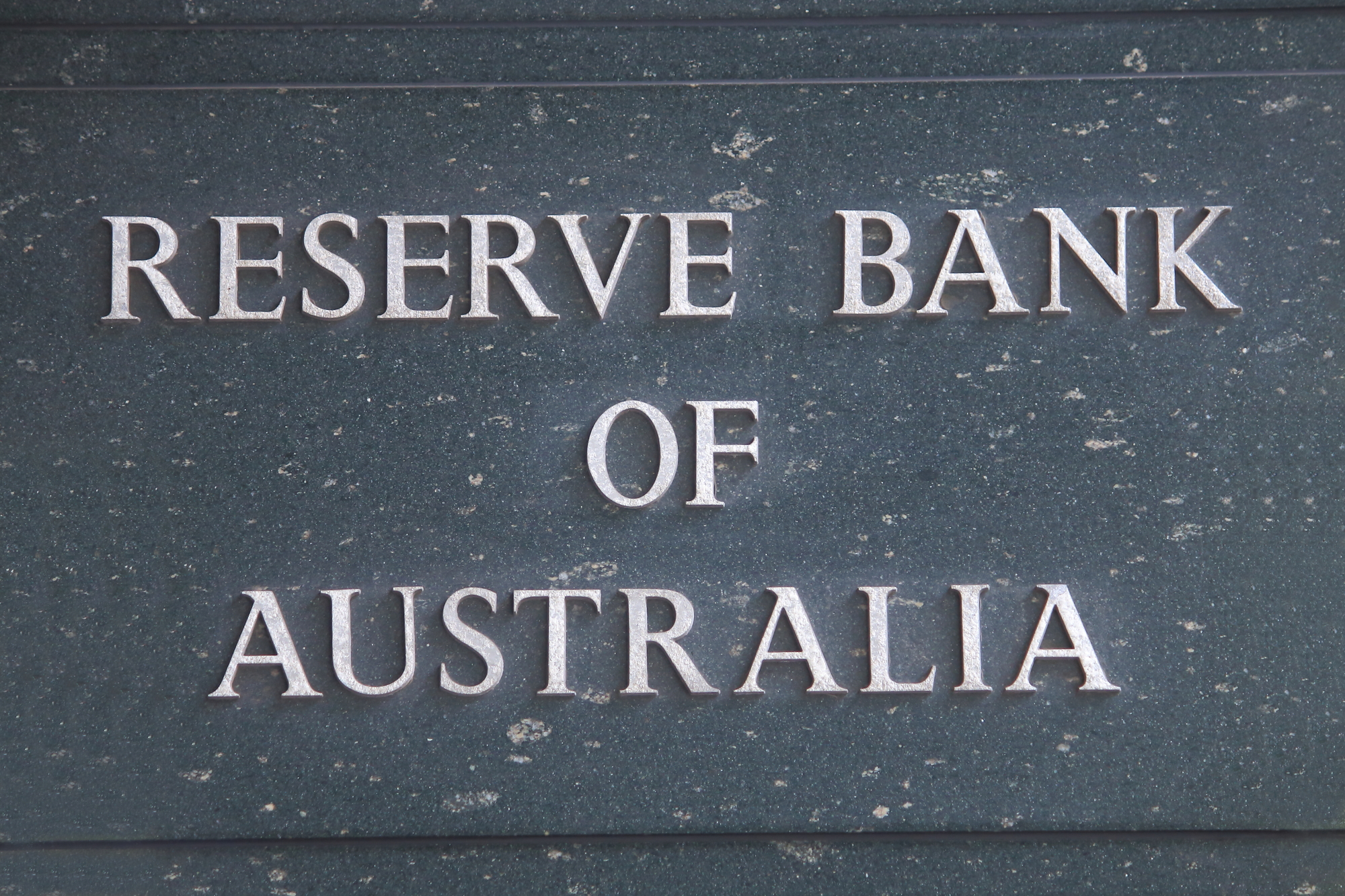
    The Australian central bank (Australian Reserve Bank, ARB) is currently investigating the possibility of a Digital Central Bank Currency (CBDC). The Bank has revealed that it wishes to simulate the use of a CBDC in a wholesale payment system.

    Many central banks are currently looking at digital currencies, mainly as a result of Facebook’s plans for Libra. However, as Libra has had major problems with regulatory issues, the central banks are now moving forward with their own plans. In the recent past, the central banks of China, Sweden, Turkey and many other countries have been pushing the development of their own CBDCs. The ARB wants to test what would happen if CBDCs were given to commercial banks. In return, these banks would each provide their foreign exchange settlement accounts.

    Central bank tests effects

    The ARB  does not yet seem convinced that there is a real need for the use of CBDCs in settlement systems. Furthermore, they have also evaluated the benefits of a CBDC and found that the cost of payments, for example, could be reduced or the speed of transactions increased. Payments could then be processed in real-time, around the clock and without the need for external payment systems.

    Tony Richards, head of the Payments Policy Department, believes that there would be many drawbacks. He also sees a risk that the ARB could develop a CBDC and then find that users are satisfied with existing electronic payment service providers. Effectively, the success of CBDC’s could lead to a fundamental change in the structure of the financial system.

    Traditional CBDCs and CBDCs directly from the central bank

    Traditional CBDC

    These are essentially the current fiat currencies (physical banknotes and coins) which will be converted into a digital currency. Issued by a countries central bankand distributed by the commercial banks; a well-known concept where citizens do not have a direct account  or acess to  the Central Bank.

    CBDC directly from the central bank

    This is a concept that the Swedish Riksbank is working on, which has one major difference from the “traditional CBDC concept”. Effectively, every citizen would have an account at the central bank and would be able to deposit and withdraw his or her digital money there.


    Share. Facebook Twitter LinkedIn Email Telegram WhatsApp

    About the author

    Editorial Office CVJ.CH

      The CVJ editorial staff consists of a team of Blockchain experts and informs daily and independently about the most exciting news.

      Related Articles

      JPMorgan sees Bitcoin ahead of gold in the debasement trade: GLD loses 2.7% AUM, IBIT gains 1.5% AUM since Iran war outbreak.

      JPMorgan: Bitcoin overtakes gold in the debasement trade

      The Canton of Lucerne joins the Swiss Blockchain Federation as its seventh member canton, with 73 active blockchain companies.

      Canton of Lucerne joins Swiss Blockchain Federation

      FalconX and Sygnum open institutional access to tokenized credit via the Desygnate platform and the FalconX Credit Vault.

      FalconX and Sygnum open regulated access to tokenized credit

      JPMorgan sees Bitcoin ahead of gold in the debasement trade: GLD loses 2.7% AUM, IBIT gains 1.5% AUM since Iran war outbreak.
      8. May 2026

      JPMorgan: Bitcoin overtakes gold in the debasement trade

      Bitcoin regime shift in question as April rally pushes BTC above $80k, with $2.4 billion in ETF inflows and patient capital building support.
      8. May 2026

      Spring cleaning: Bitcoin tests the regime shift above $80k

      CLARITY Act DeFi
      7. May 2026

      CLARITY Act: The year’s most important crypto deal heads for a decision

      twitter image button instagram image button linkedin image button youtube image button

      About Crypto Valley Journal
      About Crypto Valley Journal

      On the pulse of the movement

      • Academy
      • Contact
      • Advertising
      • About us
      • Partner
      • Imprint
      • Privacy
      • Disclaimer
      Search

      Type above and press Enter to search. Press Esc to cancel.