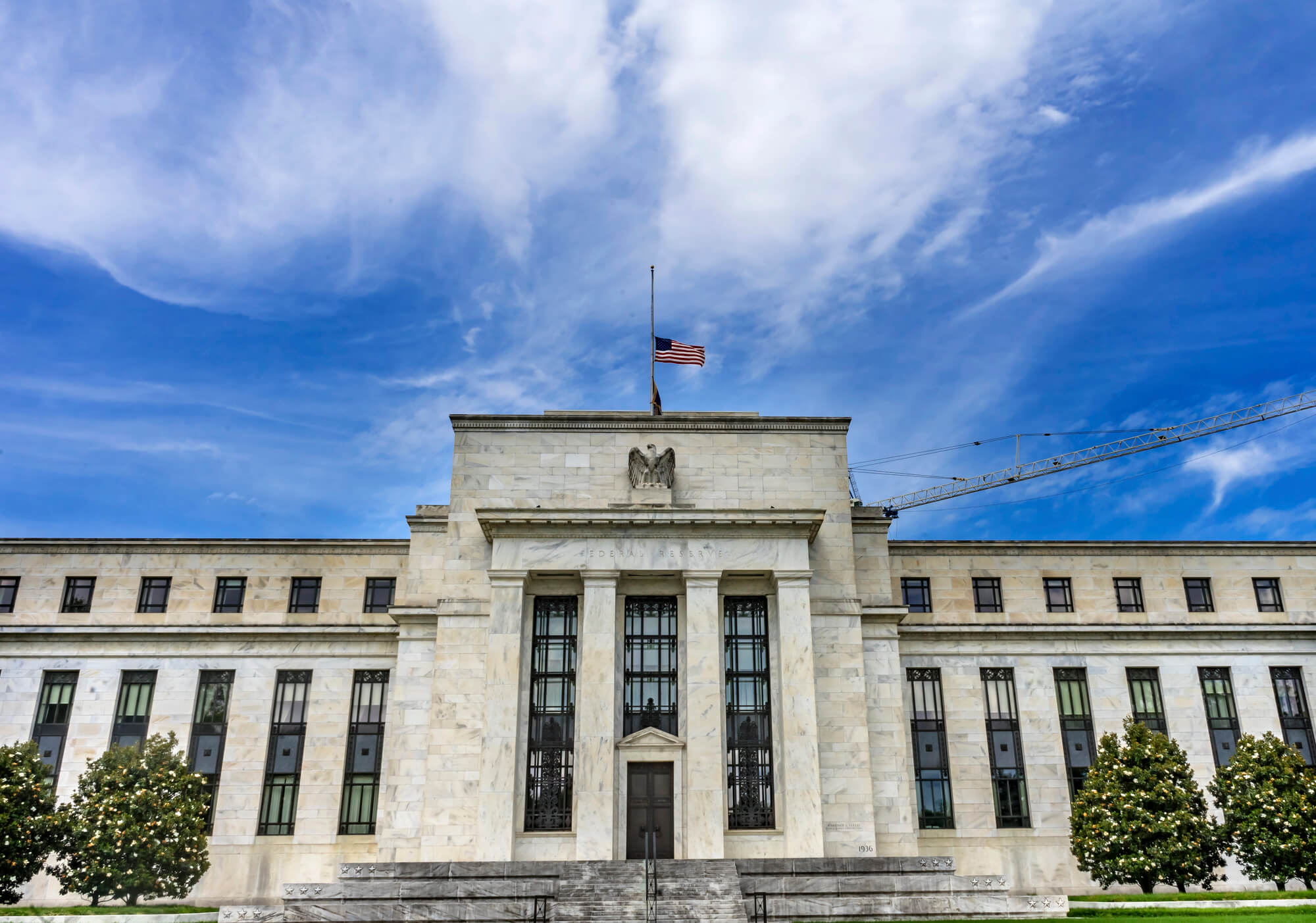
On 14 April 2026, Kevin Warsh filed a 69-page financial disclosure at the U.S. Office of Government Ethics. The filing documents substantial crypto holdings. In March 2026, President Donald Trump had nominated him to succeed Jerome Powell at the helm of the US central bank.
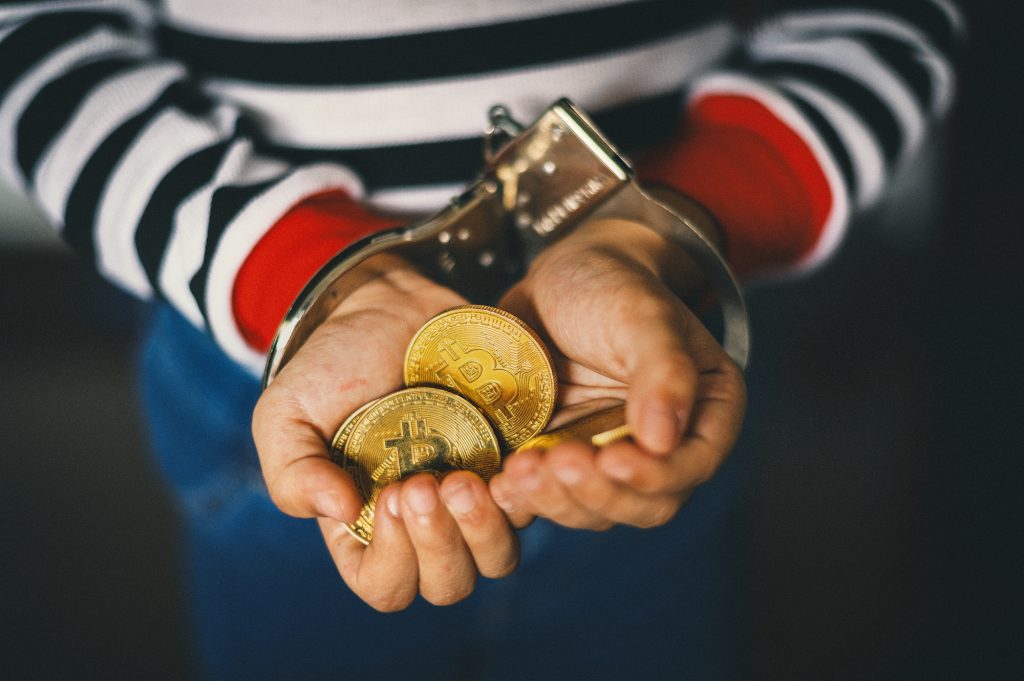
The document reports an estimated net worth between USD 131 million and USD 209 million. Moreover, it documents an unusually broad range of crypto and AI holdings. If the Senate confirms him, Warsh would have to divest them in full. The disclosed positions include the Ethereum Layer-2 Blast, spot Bitcoin ETF provider Bitwise Asset Management and the Bitcoin Lightning startup Flashnet. In addition, he holds stakes in the prediction market Polymarket and the crypto-focused venture fund Electric Capital.
Structure of the disclosure and divestment obligation
The overall portfolio splits across two main vehicles. Two positions in the Juggernaut Fund LP each exceed USD 50 million. Together, they represent combined exposure of more than USD 100 million. In addition, roughly 24 individual positions sit within the THSDFS LLC structure. Each one values at up to USD 5 million. Separately, Warsh reports a USD 10.2 million advisory fee from Stanley Druckenmiller's investment office, the Duquesne Family Office.
OGE analyst Heather Jones approved the filing with a caveat. Specifically, compliance only takes effect once Warsh completes the divestitures. Furthermore, Warsh commits to unwinding both the Juggernaut positions and the THSDFS holdings upon Senate confirmation. Moreover, the 2022 Fed ethics rules expressly prohibit FOMC members and senior officials from holding cryptocurrencies, individual equities, sector funds, commodities and derivatives. As a result, new officeholders have six months to achieve compliance.
On the liabilities side, Warsh carries a USD 5 million mortgage with JPMorgan Chase at 2.75%. In addition, he holds a USD 5 million credit line with PNC Bank at around 6%. According to Forbes, his wife Jane Lauder, an heir to the Estée Lauder fortune, holds a separate net worth of roughly USD 1.9 billion.
From Wall Street crypto to DeFi yield
The breadth of the crypto positions stands out. Through Bitwise Asset Management, Warsh holds a stake in the issuer behind one of the regulated spot Bitcoin ETFs. This is a classic Wall Street vehicle for institutional crypto access. Flashnet, by contrast, operates on the Bitcoin Lightning network and targets payments infrastructure. Polymarket focuses on prediction markets, while Tenderly delivers developer tools for Ethereum and Web3. In addition, Lemon Cash and Stashfin cover crypto financial services and lending.
The Blast position is particularly notable. The Ethereum Layer-2 generates native yield for ETH (4%) and stablecoins (5%). Bridged ETH remains staked on mainnet. Furthermore, returns from real-world-asset protocols such as T-bills flow back to users. A yield-generating L2 is structurally not passive spot exposure but active DeFi engagement. As a result, it signals familiarity with on-chain mechanics. Within the US financial elite, such exposure rarely surfaces so openly.
Furthermore, Warsh holds stakes in AI firms such as Recraft, Volt, 11x and Delphi AI, along with a direct position in SpaceX. The profile looks more like that of a TradFi-adjacent tech investor than a traditional central banker. The fact that a Fed Chair candidate holds such positions at all reflects a shift in status. Across much of the US financial elite, crypto now counts as a legitimate asset class.


Political time pressure and ethics precedents
The timetable is tight. Powell's term as Fed Chair ends on 15 May 2026. Warsh's hearing before the Senate Banking Committee was originally scheduled for 16 April. However, outstanding paperwork pushed the hearing to the week of 21 April. Filing the OGE disclosure unblocked the process. The committee sits 13 to 11 along party lines. As a result, a single defector could delay confirmation.
Moreover, Senator Thom Tillis (R-NC) threatens to block any Fed nomination until the DOJ investigation into Powell concludes. "I will oppose the confirmation of any Federal Reserve nominee, including those for the Chairman position, until the DOJ investigation into Chairman Powell is fully and transparently concluded," Tillis said. Nevertheless, observers still expect a narrow confirmation before Powell's term expires.
The current Fed ethics rules trace directly back to the trading scandals of 2020. At the time, Boston Fed President Eric Rosengren and Dallas Fed President Robert Kaplan traded equities during the COVID-19 interventions. Both subsequently resigned. In 2022, Powell himself introduced the tighter rules, including the explicit crypto ban for senior officials. Once confirmed, Warsh must unwind all affected positions within six months. Warsh has previously commented on Bitcoin's role. For example, he compared the cryptocurrency to gold as a store of value but noted that it is not a substitute for the US dollar.