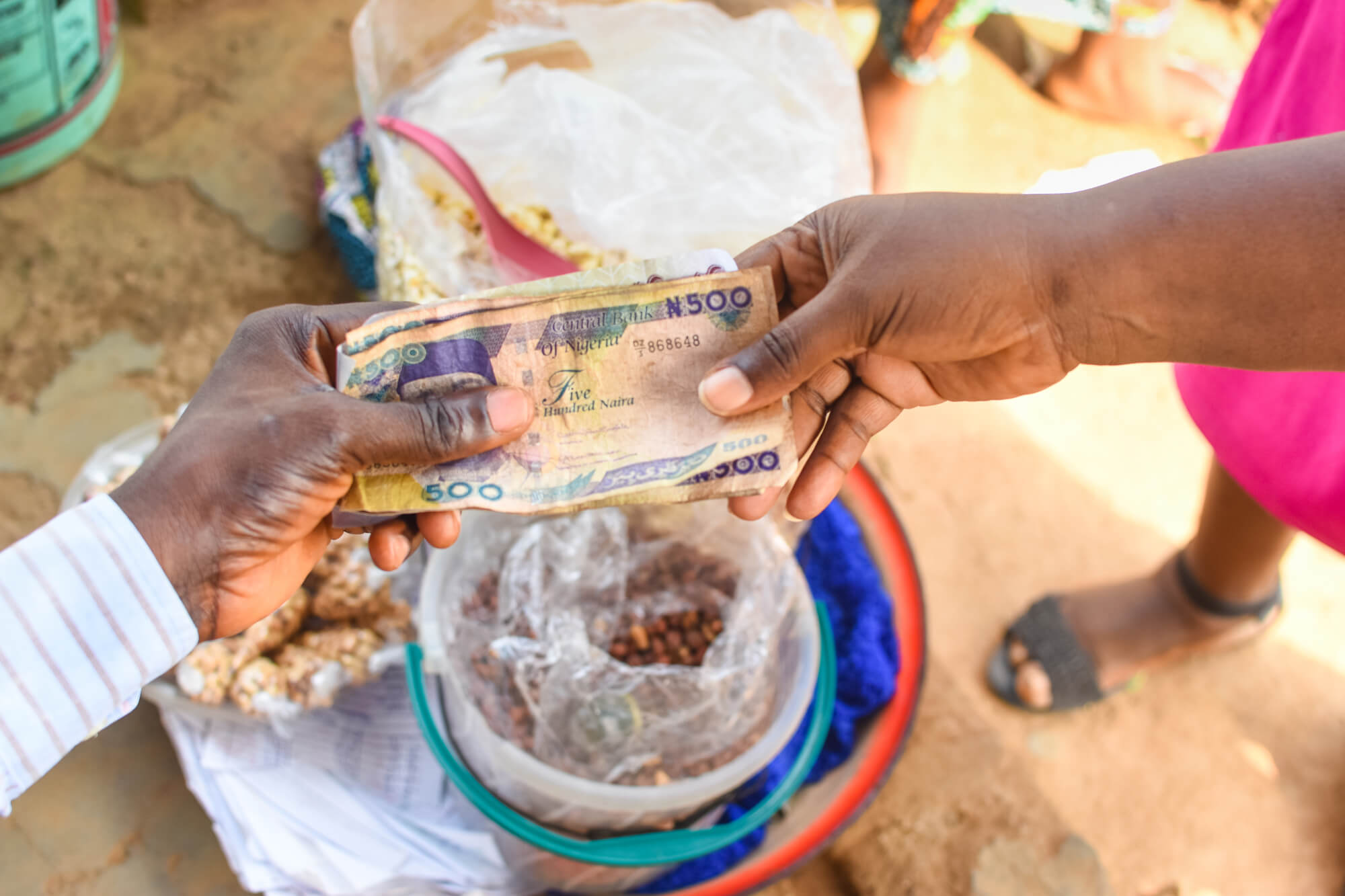
Since February 1, Nigeria has been experiencing shortages of cash, gasoline and electricity. The central bank wanted to introduce new banknotes as of the beginning of the month, but they are hard to come by. Coupled with double-digit inflation and gasoline shortages, Nigeria is in crisis; could Bitcoin provide relief?
Nigeria's economy is still based on cash payments. Around 63% of everyday transactions are carried out by the African nation's citizens using banknotes. But what happens when the central bank does not put enough cash into circulation? The result is endless lines in front of ATMs and masses of people without payment options. Deposit banks are also accused of hoarding cash, while some mobile ATM providers are taking advantage of the situation by dispensing the new bills to customers at inflated prices. A potential catalyst for further bitcoin adoption in Nigeria.
Cash-based society without banknotes
The Nigerian central bank originally planned to withdraw the old naira banknotes from circulation by January 31. This prompted many Nigerians to deposit their bills at the bank. However, the new banknotes are only being put into circulation in very limited quantities. This is a massive problem for Africa's largest economy, which still relies heavily on cash transactions.
The situation is worsened by a weekly limit on cash withdrawals, which is 500,000 Naira (approx. 1,000 USD) for individuals and 5,000,000 Naira (approx. 10,000 USD) for organizations. How much can actually be paid out depends on the money available in each location and is often lower. Some frustrated Nigerians are already sleeping in front of various ATMs in order to be the first to withdraw the bills when new deliveries are made.
Bitcoin as a solution for Nigeria?
Bitcoin is a decentralized digital currency that operates via a peer-to-peer network. Unlike traditional currencies, it is not controlled by a central authority such as a government or central bank. Transactions are recorded in a public registry (the blockchain), which allows money to flow securely and transparently. In countries like Nigeria, Bitcoin offers an alternative way to make payments and preserve wealth. With a smartphone and an internet connection, individuals can buy, sell, and send bitcoin to each other without the need for traditional financial institutions like banks.
Nigeria holds s bigger stake in the Crypto Ecosystem pic.twitter.com/zNnZ29iMtm
— Baron Chymaker.𝛑 (@chymaker) December 18, 2022
There is good reason why Nigeria ranks in the top 10 of most crypto surveys. Digital gold not only provides an alternative payment network for citizens. Bitcoin also contains direct devaluation protection through its programmatically limited supply; a welcome feature for Nigeria's residents facing over 20% inflation. However, it must be noted that Bitcoin also has drawbacks for the cash crisis in Nigeria. Finally, electricity and internet access is no longer a given, which is devastating for blockchain access.