Close Menu
Crypto Valley Journal
    Facebook X (Twitter) Instagram
    Crypto Valley Journal
    • Hot Topics
      • News
      • Minds
    • Focus
      • Background
      • Blockchain
      • Legal & Compliance
      • Non-Fungible Token (NFTs)
    • Investing
      • Markets
      • Financial Products
      • Decentralized Finance (DeFi)
      • Exchange overview
    • Education
      • Basics
      • Glossary
      • Politicians on crypto
    • Statistics
      • Bitcoin-ETF-Flows
      • Ethereum-ETF-Flows
      • Crypto market data
      • On-chain data
    • Academy
      • Overview
      • Part 1: Blockchain
      • Part 2: Money
      • Part 3: Bitcoin
      • Part 4: Cryptocurrencies
      • Part 5: Decentralized Finance
      • Part 6: Investing
    • English
      • Deutsch
    Crypto Valley Journal
    You are at:Home » Hot Topics » News » Russia uses stablecoins for cross-border payments
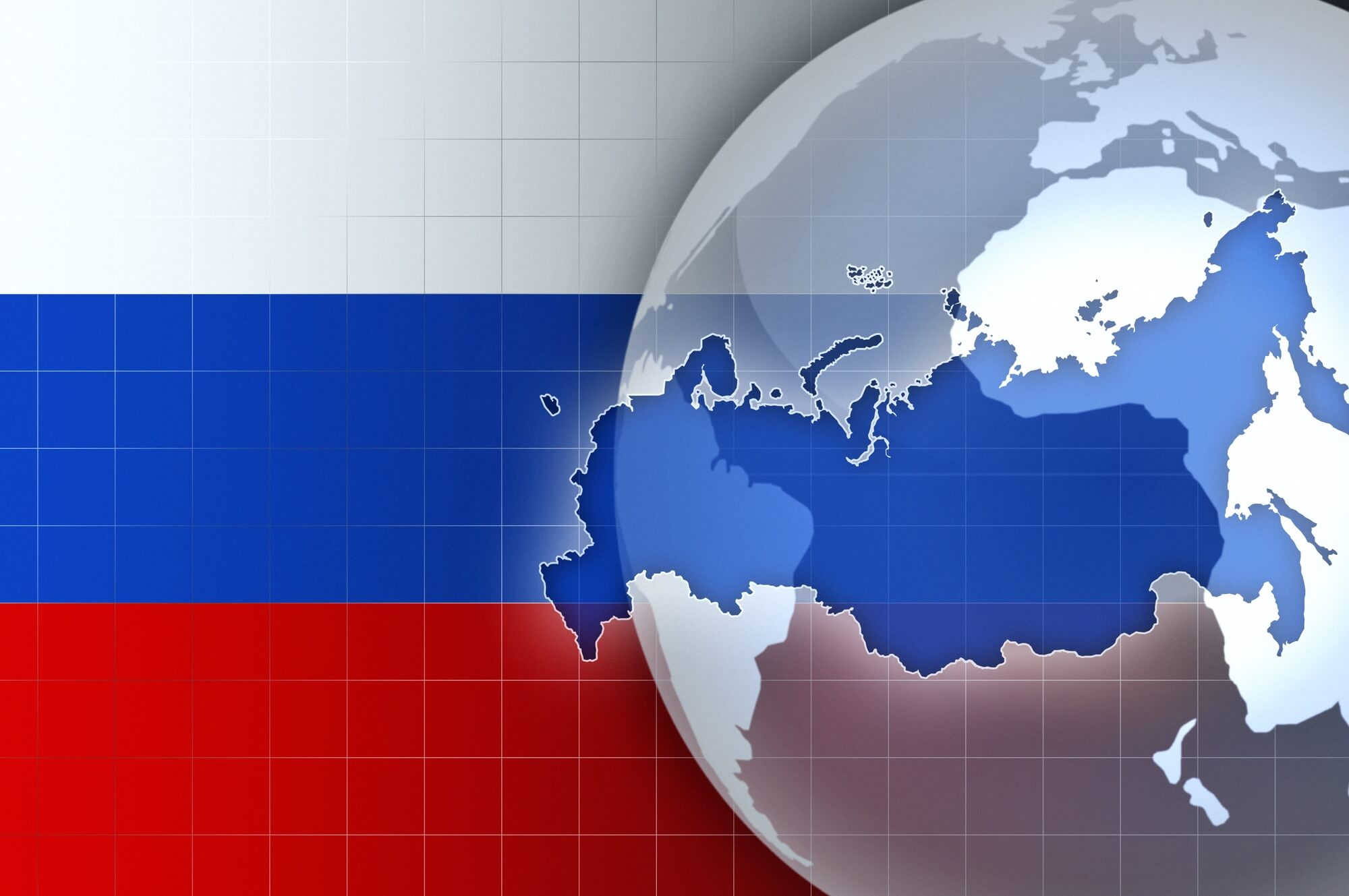
    russland stablecoin settlements

    Russia uses stablecoins for cross-border payments

    By Editorial Office CVJ.CH on 9. September 2022 News

    Deputy Finance Minister Alexey Moiseyev wants to create bilateral clearing platforms for cross-border settlements in stablecoins with Russia's friendly countries. Since the country has no recourse to either dollars or euros, these are to be collateralized with gold, for example.

    The Finance Minister announced the new goal of the Bank of Russia and the Ministry of Finance at the 7th Eastern Economic Forum in Vladivostok. In order not to have to deal with dollars or euros, a platform for cross-border payments with stablecoins is now being considered, state media agency TASS reports. The decision actually contradicts the law signed by President Vladimir Putin in July that bans digital payments in the country. Apparently, meanwhile, Russia has come to the conclusion that blockchain technology cannot be dispensed with for cross-border settlements.

    Stablecoins: a neutral means of payment

    Russia has a real need for the use case of stablecoins in the real world. The country cannot pay for its imports in dollars or euros. The ruble is still functioning, but it is putting tremendous pressure on Russian exporters due to low liquidity, exchange rate risks and general macroeconomic conditions. With the major reserve currencies no longer available, an alternative must be found.

    Stablecoins are designed to keep their value stable in the base currency. They are pegged - algorithmically or collateralized - to a common asset such as the US dollar or gold. The largest stablecoins in the crypto market are currently issued by centralized companies, such as Tether's USDT and Circle's USDC. But Russia would use its own platform.

    "We are currently working with a number of countries to create bilateral platforms so that we don't have to rely on dollars and euros. Stablecoins can be pegged to a widely recognized instrument, such as gold, whose value is clear and observable to all participants." - Alexey Moiseyev, Deputy Finance Minister of Russia

    Cross-border payment platforms

    The creation of clearing platforms with friendly states will establish assets for collateralization and thus simplify cross-border settlements. Russia has been talking about this for years, but now the urgency seems greater and the political will stronger. The Finance Ministry hopes to resolve the outstanding issues during the fall session of the State Duma. The State Duma is the lower house of parliament, which will also meet as early as this week.

    A similar discussion is ongoing in the U.S. House of Representatives. Earlier this year, the ranking member of the U.S. Senate Banking Committee, Pat Toomey (R-Pa.), submitted a legislative framework for stablecoins (also known as the "Stablecoin TRUST Act"). A conclusion is expected later this month after heated debates.


    Share. Facebook Twitter LinkedIn Email Telegram WhatsApp

    About the author

    Editorial Office CVJ.CH
    • Website
    • Twitter
    • LinkedIn

    Since 2018, the editorial team at Crypto Valley Journal has been reporting from Zug - the heart of Switzerland’s Crypto Valley - on Bitcoin, cryptocurrency, blockchain, and regulatory developments in digital assets. Behind the publication’s collective editorial voice is a team of writers with backgrounds in financial markets, law, and technology.

    Related Articles

    The Mastercard BVNK acquisition, worth up to USD 1.8 billion, expands the card network's stablecoin infrastructure for B2B payments and settlement.

    Mastercard closes BVNK acquisition worth up to USD 1.8 billion

    Strategy sells Bitcoin worth around USD 104.73 million, issues 3.01 million new shares and buys back STRC preferred stock at a discount.

    Strategy sells USD 104 million in Bitcoin for capital restructuring

    A Coldcard vulnerability made the Bitcoin keys of affected hardware wallets computable. Around 1,367 BTC have flowed out so far.

    Coldcard vulnerability enables Bitcoin theft

    What separates Dogecoin from Bitcoin is its unlimited supply, and the 2013 satire coin now trades through its own US spot ETF.
    5. August 2026

    What is Dogecoin? From satire project to ETF asset

    The Mastercard BVNK acquisition, worth up to USD 1.8 billion, expands the card network's stablecoin infrastructure for B2B payments and settlement.
    4. August 2026

    Mastercard closes BVNK acquisition worth up to USD 1.8 billion

    Strategy sells Bitcoin worth around USD 104.73 million, issues 3.01 million new shares and buys back STRC preferred stock at a discount.
    3. August 2026

    Strategy sells USD 104 million in Bitcoin for capital restructuring

    twitter image button instagram image button linkedin image button youtube image button

    About Crypto Valley Journal
    About Crypto Valley Journal

    On the pulse of the movement

    • Academy
    • Contact
    • Advertising
    • About us
    • Partner
    • Imprint
    • Privacy
    • Disclaimer
    Search

    Type above and press Enter to search. Press Esc to cancel.