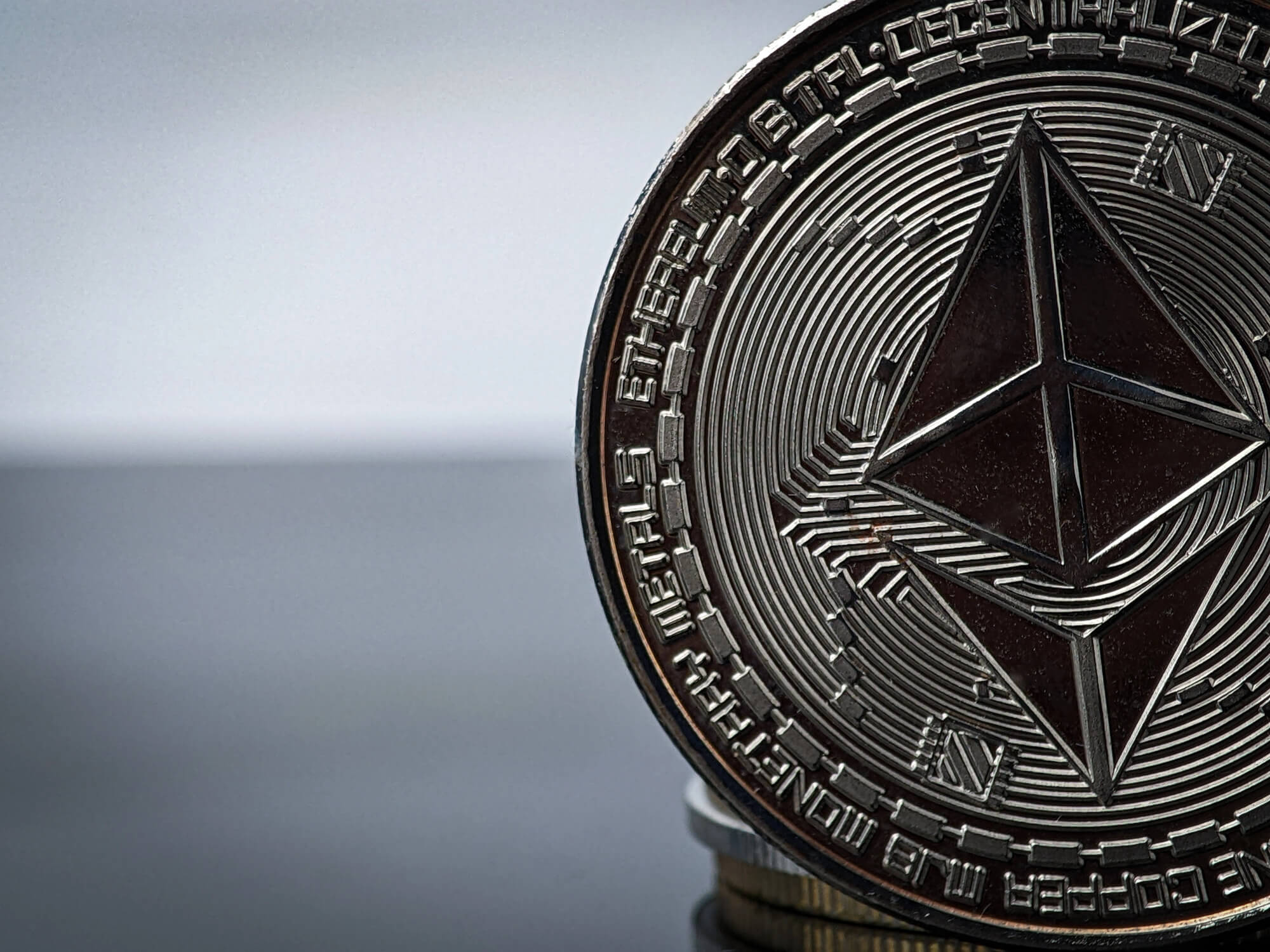
Yesterday evening, the Fusaka upgrade went live on Ethereum. The name combines the two previously separate updates, "Fulu" and "Osaka," which have now been rolled out as a single hard fork. The activation proceeded smoothly and was completed within 15 minutes.
The core feature of the network upgrade is PeerDAS (Peer Data Availability Sampling). This allows validators to verify data through sampling instead of downloading entire data packages. It lowers fees on Layer-2 networks such as Arbitrum, Optimism, and Base by 40 to 60 percent.
What PeerDAS changes
Before Fusaka, Ethereum validators had to download full blob data to verify its availability. With PeerDAS, small, random samples are sufficient. This reduces bandwidth requirements for full nodes by up to 80 percent.
Technically, it works through a peer-to-peer network in which validators exchange data samples and use cryptographic proofs to ensure the integrity of the entire blob data. Layer-2 networks bundle transactions off-chain and post the compressed data as blobs on the Ethereum mainnet. This data submission accounts for the majority of Layer-2 fees – and this is exactly where Fusaka comes in.
Blob capacity will increase gradually. Starting December 9, two BPO updates (Blob Parameter Optimization) will be introduced. BPO1 raises the blob target from 6 to 10 per block and the maximum from 9 to 15. BPO2 then increases the target to 14 and the maximum to 21 blobs. Compared to the old system, this results in an eightfold throughput for rollup data.




Concrete effects on fees
Arbitrum processes over 2.5 million transactions per day, Optimism over 1 million. A transaction that cost 0.50 dollars before Fusaka is expected to cost between 0.20 and 0.30 dollars after the upgrade. During periods of high mainnet congestion, savings can be even more significant. In the first 24 hours after the upgrade, 190'000 new Ethereum wallets were created according to Santiment – a 35 percent increase compared to the monthly average. So-called “shark wallets” (addresses holding 1'000 to 10'000 ETH) also increased their holdings. This investor category is often considered an indicator of institutional interest.
The Dencun upgrade in March 2024 introduced blobs for the first time and lowered Layer-2 fees by up to 95 percent. However, demand for blob space increased sharply in the months afterward, causing fees to rise again. Fusaka aims to permanently resolve this bottleneck. The Ethereum Foundation writes in its announcement that PeerDAS is “scalable to hundreds of blobs per block” – far more than the current BPO targets.
For comparison: Solana processes transactions at an average of 0.0001 dollars. Ethereum Layer-2s ranged between 0.10 and 0.50 dollars before Fusaka. The fee reduction brings Ethereum rollups closer to competing platforms without compromising the security of the Ethereum mainnet.
Additional technical improvements
Alongside PeerDAS, Fusaka introduces 12 more Ethereum Improvement Proposals (EIPs). A practical new feature is support for passkey signatures directly at the chain level. Users will be able to authorize transactions with Face ID or Touch ID without manually managing private keys. This is aimed primarily at wallet developers and is expected to improve the user experience for mainstream applications.
The block gas limit also increases from 45 million to 60 million units. This allows more transactions per block on the mainnet – independently of Layer-2 networks. Ethereum developers have debated this step for a long time, as a higher gas limit also increases the hardware requirements for validators.
The technical implementation demonstrates strong coordination between the various Ethereum client teams. Five independent client implementations (Geth, Nethermind, Besu, Erigon, Reth) integrated the upgrade in parallel. The testnet activations on Holesky and Sepolia in November proceeded without major issues.
Role of the Fusaka upgrade
Bitwise, a crypto investment firm with over 3 billion dollars in Ethereum-based products, describes Fusaka as an important step for Ethereum’s role as a settlement layer. Cheaper Layer-2 transactions make Ethereum more attractive for payment processing and tokenization of real-world assets.
One uncertainty remains how quickly the fee reduction will materialize. The 40 to 60 percent figure is based on calculations by the Ethereum Foundation. Actual savings depend on how quickly Layer-2 networks adopt the increased blob capacity and whether demand for blockspace continues to rise. In the first 24 hours, average fees on Arbitrum or Optimism showed no major changes yet. The developers of these networks first need to adapt their infrastructure.
The Ethereum scaling roadmap
Fusaka is part of a longer-term scaling strategy. For 2026, the Ethereum Foundation plans the "Verkle Trees" upgrade, which will further reduce storage requirements for nodes. Verkle Trees use more compact cryptographic proofs than the current Merkle Patricia Trees and could reduce synchronization time for new validators from days to hours.
Another goal is the full implementation of danksharding. PeerDAS is seen as an intermediate step toward this end goal, which would allow thousands of blobs per block. Technical challenges remain substantial, particularly regarding optimization of network latency between geographically distributed validators.
For developers of decentralized applications, Fusaka means lower operating costs. DeFi protocols on Layer-2 networks can pass fee savings on to end users or improve their margins. Platforms such as Uniswap, Aave, and Synthetix with Layer-2 deployments are likely to benefit from increased user activity.
Conclusion
The Fusaka upgrade delivers the expected technical improvements. The 40 to 60 percent fee reduction for Layer-2 networks addresses an issue that has limited Ethereum’s usability for mass-market applications. With PeerDAS and the planned BPO updates, the Ethereum Foundation is laying the groundwork for further growth of the Layer-2 ecosystem.
While technically savvy investors can assess the long-term implications, the immediate impact for average users remains limited for now. Only once Layer-2 networks fully utilize the increased capacity and the fee savings become visible is adoption likely to accelerate. The successful implementation without network disruptions highlights the maturity of the Ethereum ecosystem. With 190'000 new wallets created on the first day after the upgrade, the data already shows a positive response from the community.