The nature conservation group Oceana recently conducted a study on fish products. The study found that 20 percent of the samples from Norway were incorrectly labelled. By using blockchain technology, such problems should be eliminated in the future.
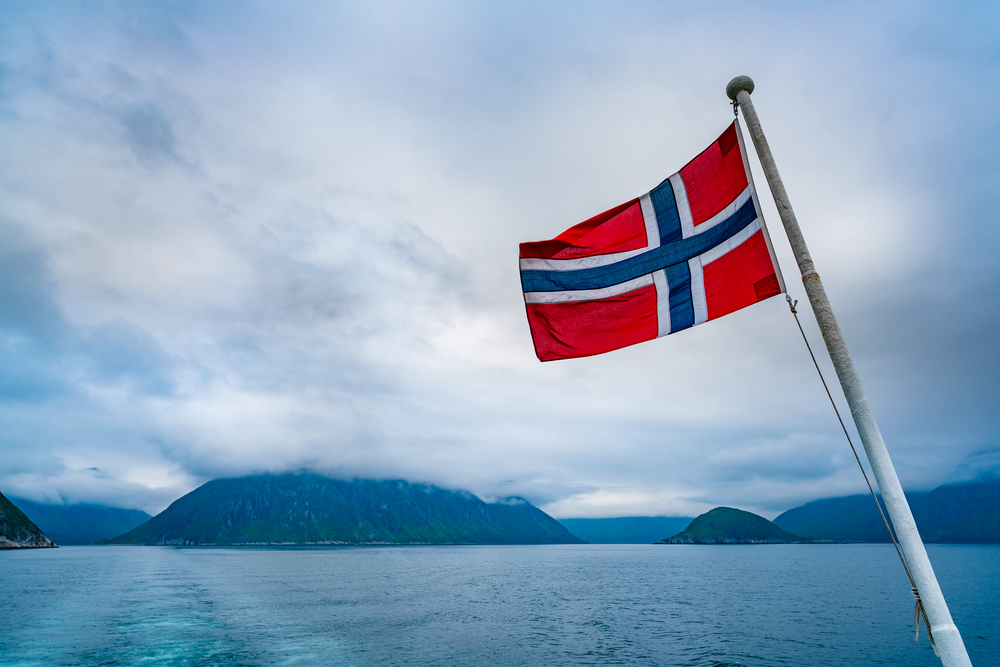
One of the findings of the environmental group's study was that 20 percent of the fish samples from Norway sold to consumers in the United States were mislabeled. Norway exported a total of 2.7 million tons of fish and seafood in 2019, which is worth more than 10 billion euros. This makes Norway one of the leading exporters of fish products in the world.
Blockchain is designed to bring transparency and efficiency to supply chains
IT infrastructure provider Atea is looking to revolutionize the seafood industry by working with the Norwegian Seafood Association and the IT company IBM to develop blockchain. The aim of the collaboration is to share a blockchain as a source of supply chain data to improve the quality of fish products and ensure product traceability.
The challenge is to make Nordic fish farms sustainable, with the aim of a transparent and regulated supply chain. The aim is to improve the quality of fish products and ensure product traceability. It can be a challenge for fish farmers, as the implementation of the technology is uncharted territory, both from a cost and cultural perspective.
How is the Blockchain used for fish products?
IBM will provide the block chain infrastructure and Atea will equip the fish farms with the necessary IoT devices needed for data collection. The data is collected, stored and then placed on the transparent block chain. Once the data is entered into the block chain, the fish products can be traced from the consumer to the catching vessel. In addition, the launch of an app is planned, which will make it possible to see where the fish comes from.
"This new Blockchain-based network will enable customers in the store to know the fjord, where the fish came from, when it was caught, what food it has eaten and whether the company uses sustainable methods". - Espen Braathe, Director IBM Foodtrust
According to Espen Braathe, Director of IBM Food Trust Europe, the Blockchain network will run on IBM Blockchain Transparent Supply. This will ensure the exchange of data between the individual links of a supply chain.
Many Norwegian fish and seafood companies have already made public their interest in the Blockchain network. Among them is Kvarøy Arctic, a leading supplier of naturally farmed saithe. BioMar has also joined the network. BioMar is a leading supplier of high-quality fish feed and enables the fish industry to obtain information about the quality of the feed.
Atea is currently holding talks with 200 Norwegian companies about membership of the Blockchain network and has already signed six contracts. The company hopes that the project can start by the end of September 2020.
Blockchain technology for supply chain tracking
However, block chain is not only used in the fish industry to trace supply chains. An increasing number of companies are using block chain technology to track their products. The Swiss food giant Nestlé, for example, uses the technology to make the supply chain of its own coffee brand "Zoégas" more transparent. This enables more precise information about logistics processes to be passed on to the consumer. For example, the route taken by coffee beans from the harvest to the supermarket.