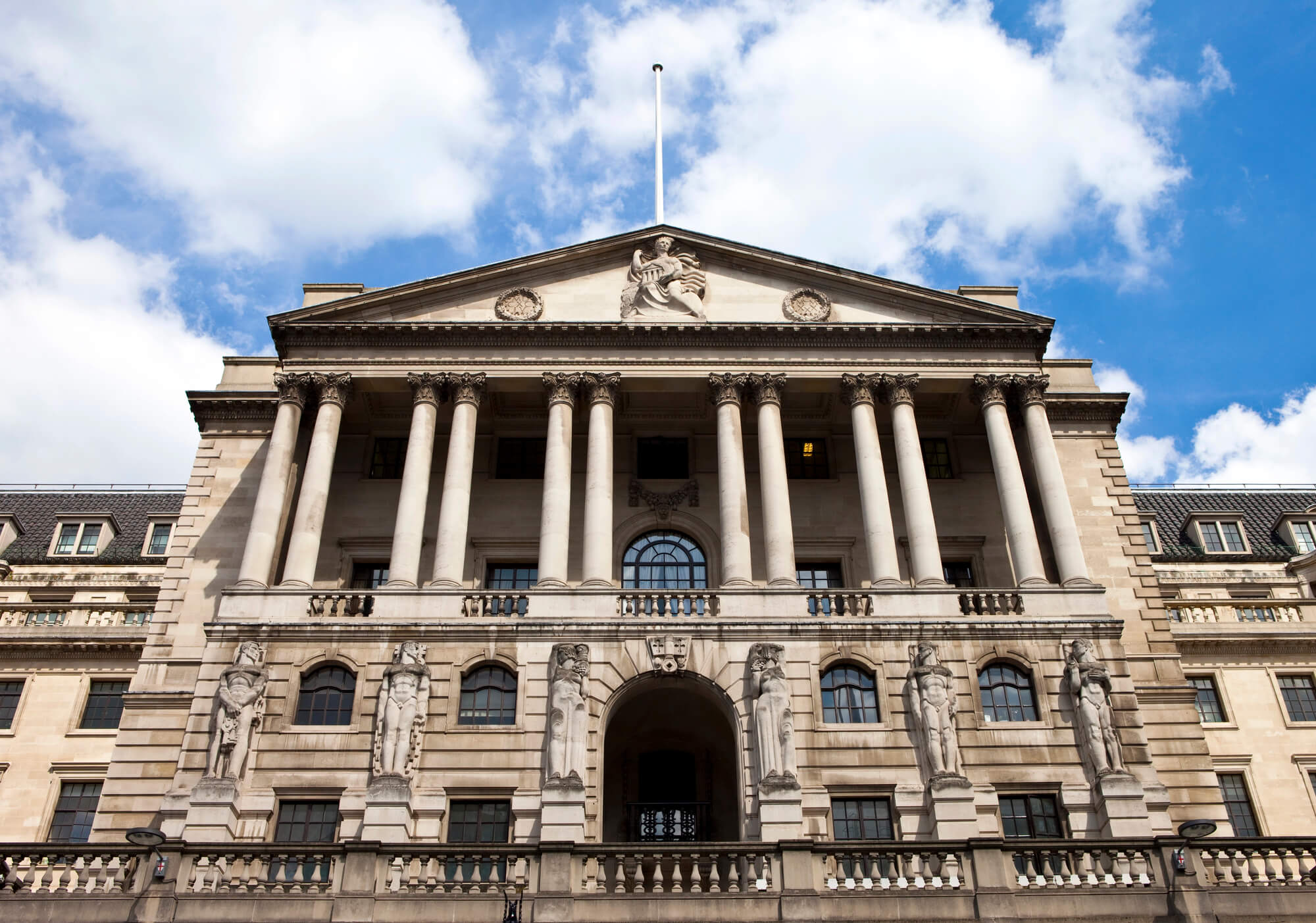
The Bank of England is reconsidering its contested BoE stablecoin holding limits for sterling-denominated tokens. Deputy Governor Sarah Breeden told the Financial Times that the central bank is "genuinely open" to other ways of meeting its financial stability objectives.
As a result, the BoE is responding to months of industry criticism. Critics have flagged the draft rules as operationally unwieldy and internationally uncompetitive. Updated draft rules are expected before the end of June 2026, with finalisation of the framework scheduled for year-end. In addition, according to Director Sasha Mills, the BoE will open the application window for systemic stablecoin issuers by the end of 2026. Regulation is therefore drawing closer, even though its key parameters remain negotiable.
What the original consultation proposed
The BoE launched its consultation on 10 November 2025 with a deadline of 10 February 2026. The draft set holding limits of GBP 20,000 per individual (around USD 27,054) and GBP 10 million per company (around USD 13.53 million) as a ceiling, with an exemption for wholesale clients. The central bank itself described these caps as temporary.
On reserve requirements, the Bank of England calibrated conservatively. Issuers would have to hold 40 percent of reserves with the BoE on a non-interest-bearing basis. Furthermore, the remaining 60 percent would sit in short-term UK government bonds or other liquid assets. For comparison, Circle's USDC holds 88 percent of its reserves in Treasury bills and repos. The industry estimates the cost of the non-interest-bearing component at around GBP 11.2 million per GBP 1 billion in circulation, based on a gilt yield of 4 percent.
Breeden justified the original calibration with lessons from the 2023 collapse of Silicon Valley Bank. The BoE feared a rapid outflow of bank deposits into stablecoins, which could constrain lending. However, the Deputy Governor now strikes a more self-critical tone. As a result, the central bank wants to examine whether it was too conservative in its reasoning.
Industry criticism finds an open ear
The industry describes the original proposals as among the strictest worldwide. Simon Jennings of the UK Cryptoasset Business Council argued that individual holding limits simply do not work in practice. Moreover, their enforcement would require a costly and complex new system, for example digital identities or permanent coordination between wallets. Furthermore, the Stand With Crypto UK initiative collected 85,000 signatures against the strict rules.
Coinbase also warned of strategic consequences. Tom Duff Gordon, then VP International Policy, appeared before the House of Lords Financial Services Regulation Committee in March 2026. There he argued that the limits would prevent sterling stablecoins from becoming the settlement infrastructure for tokenised markets. Katie Harries, Coinbase Head of Policy Europe, welcomed the recent shift and framed the case in broader terms:
"A cap on stablecoin holdings is a cap on innovation, with real and significant risks to the competitiveness of the United Kingdom." - Katie Harries, Head of Policy Europe, Coinbase
According to Bloomberg and Reuters reports, the BoE is examining temporary guardrails on the total volume of stablecoins issued as a possible alternative. Therefore, the central bank would move away from individual holding limits. Such a ceiling addresses financial stability goals at the macro level. In addition, issuers and wallet operators would no longer have to monitor every single position. The regulatory focus thus shifts from the end-user level to the system level.




International standards and the US conflict
The British debate plays out against an international backdrop. BoE Governor Andrew Bailey, who also chairs the Financial Stability Board (FSB), warned on 8 May 2026 at a BoE conference of a coming clash with the US government over stablecoin standards. According to Bailey, stablecoins can only become part of the global payments architecture if international standards exist. On the same day, ECB President Christine Lagarde voiced criticism of stablecoins as a potential threat to financial stability.
By contrast, the United States is taking a markedly more liberal path. President Trump signed the GENIUS Act on 18 July 2025. The law requires 1:1 reserve backing in cash or short-term Treasuries, along with monthly disclosure. Moreover, the OCC granted conditional national trust bank charters to Circle, Paxos and three other non-bank financial firms in December 2025. The final rules must be in place by 18 July 2026, and the act will take full effect no later than 18 January 2027.
Sterling stablecoins currently account for less than 0.5 percent of the global stablecoin market of around USD 315 billion. Actual circulation amounts to only a few million dollars. So while London is negotiating over systemic stablecoin issuers, the market it seeks to regulate barely exists yet. At the same time, the FCA selected Revolut, Monee Financial Technologies, ReStabilise and VVTX for a sandbox on UK-issued stablecoins. The FCA's authorisation window opens on 30 September 2026, and the application period closes on 28 February 2027. The revised draft announced for June 2026 will determine whether the United Kingdom remains competitive as a crypto hub or finds itself caught between US innovation and EU restriction.