Germany's federal cabinet has confirmed in its 2027 budget draft that it will abolish the one-year Bitcoin holding period. Germany would then tax private crypto gains at 26.375%, regardless of the holding period.
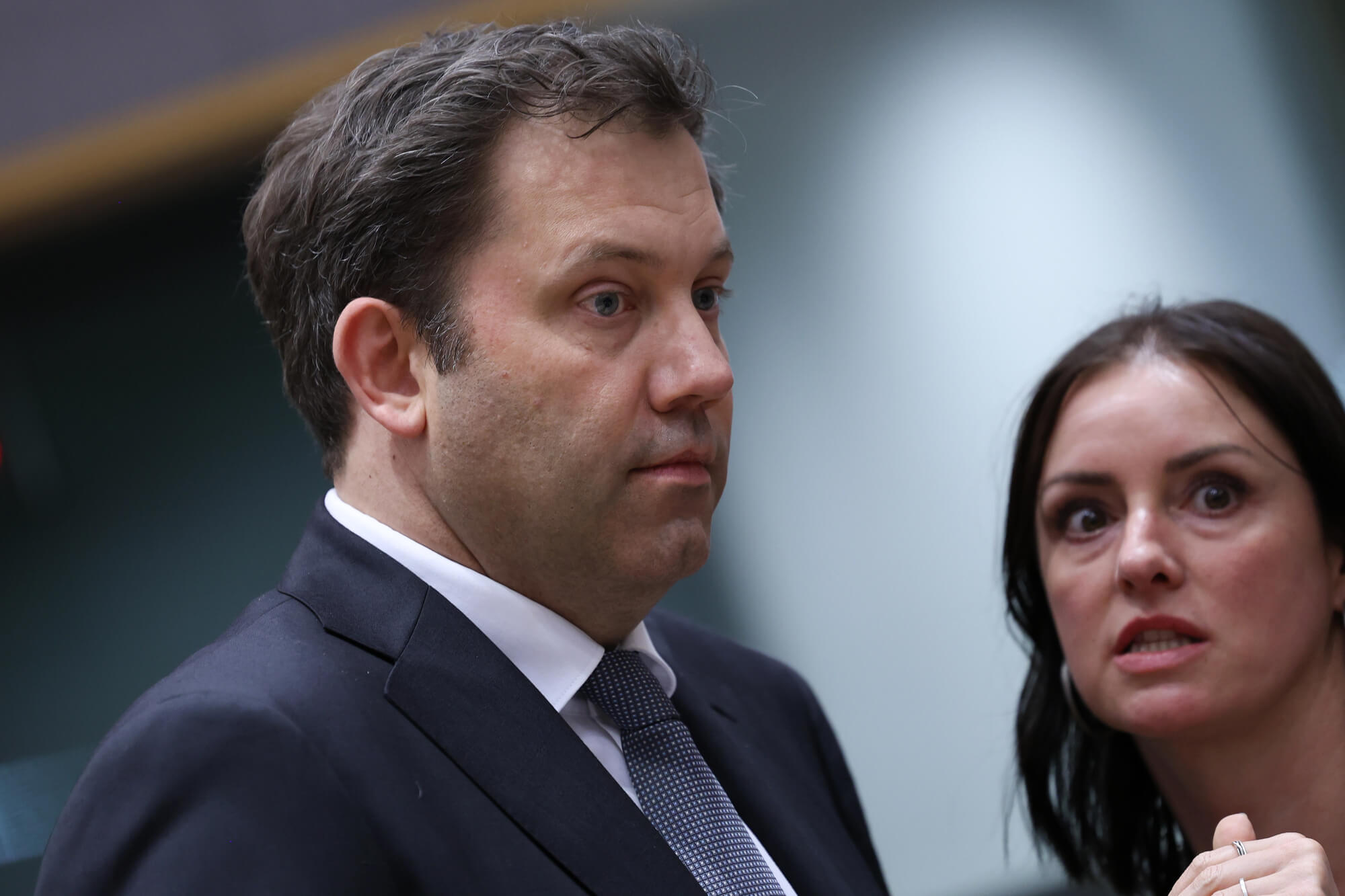
Under Section 23 of the German Income Tax Act, Bitcoin sold from private assets counts as a private disposal transaction. If an investor holds crypto assets for longer than a year, the sale gain remains entirely tax-free. For years, this one-year rule has ranked as the most important tax argument for long-term Bitcoin investors in Germany. The push to abolish it stems from a cabinet proposal by the Federal Ministry of Finance. Finance Minister Lars Klingbeil (SPD) publicly confirmed it as part of the 2027 budget consolidation. Berlin plans a tax rate of 26.375%, regardless of the holding period. However, a standalone law with a ministerial draft is still missing. The Bundestag debate is not set to begin until September 2026.
What scrapping the Bitcoin holding period would mean for German investors
For now, the current legal situation makes Germany a comparatively attractive location for long-term Bitcoin investors. Under Section 23 of the Income Tax Act, crypto assets held as private wealth count among private disposal transactions. Anyone who holds their coins for at least a year sells the gain tax-free. Short-term sales within this period, by contrast, are subject to the personal income tax rate. In the scene, many equate the rule with so-called HODLing, because it rewards long-term holding for tax purposes. It is precisely this tax exemption after twelve months that has kept many investors in the market for good.
The Finance Ministry's cabinet proposal would reclassify privately held crypto assets as income from capital assets. As a result, the previous logic of the speculation period disappears entirely. The proposal's rationale states that disposal gains would then be "taxable regardless of the previous one-year period". For investors, this means the tax authority also captures holdings kept for years upon sale. The distinction between short-term and long-term holding would therefore become tax-irrelevant. The long-standing incentive to hold would thus lose its legal basis.
Specifically, the plan sets a tax rate of 26.375%. It combines the 25% capital gains tax and the 5.5% solidarity surcharge levied on top of it. Those liable for church tax pay extra. Overall, the reform brings crypto assets systematically close, for the first time, to the flat withholding tax. It already applies in Germany to shares, bonds and fund units. This would remove one of the last special tax positions for digital assets held as private wealth. Their status is comparable to commodities.
Coalition dispute and missing draft law slow the reform
As far-reaching as the announcement sounds, it is not yet applicable law. Earlier reports about the cabinet proposal had already appeared in early July 2026. Klingbeil publicly confirmed the plans a few days later. The cabinet decision of 6 July 2026 concerns the 2027 budget draft. It records the reform merely as a political intention. A standalone bill with a ministerial draft does not yet exist. Moreover, the project must pass through the regular legislative process before it can take effect. Until then, the one-year holding period remains in force.
Within the coalition, the parties dispute the course. The SPD is driving the abolition of the holding period. At the same time, the CDU and CSU have so far stuck to the one-year rule. The coalition agreement also does not explicitly provide for such a change, which sharpens the dispute further. Jens Behrens, an SPD member of the Bundestag Finance Committee, justifies the push. He cites the equal treatment of crypto assets and traditional securities.
"We advocate for the equal tax treatment of cryptocurrencies and securities such as shares, bonds or funds." - Jens Behrens, SPD member of the Bundestag Finance Committee
The Bundestag debate is due to begin in September 2026. Because income tax is a joint federal-state tax, the Bundesrat must subsequently approve it as well. The earliest possible date is 1 January 2027, though it is not secured. It also remains open how the legislator will handle coins already held tax-free today. This means the question of grandfathering or a transitional rule. Without a clear provision on this, existing holders would face considerable uncertainty.




How much revenue Berlin expects from the reform
How much the reform would actually raise is unclear even within the government. The circulating estimates diverge widely. In the public debate, participants mentioned expected revenues in the billions. Individual reports initially cite up to EUR 3 billion from abolishing the holding period alone. Klingbeil himself speaks of around EUR 2 billion. He frames this as a combined pot from crypto taxation and a stepped-up fight against tax crime.
Other calculations, by contrast, turn out far more sober. One estimate assumes only around EUR 1 billion for 2027 from both measures combined. A further estimate cites just about EUR 100 million. Reliable figures are therefore unlikely to emerge before a concrete bill exists. Overall, the range suggests that the fiscal basis of the reform is not yet consolidated. In any case, the project is embedded in the general 2027 budget consolidation, whose volume far exceeds the single measure.
Switzerland sticks to its tax-free model
For Swiss investors, the picture runs in the opposite direction. In Switzerland, private capital gains from cryptocurrencies are generally tax-free for private individuals, regardless of the holding period. The condition is the absence of any commercial activity. This rule applies equally to shares and crypto assets and has grown historically. It therefore differs fundamentally from the system Berlin is now pursuing.
Tax-free does not mean tax-free in every respect. Crypto holdings remain subject to the annual wealth tax and are valued at the price on 31 December. Income from mining and staking counts as taxable income as well. The Federal Tax Administration thus treats capital gains and current income separately. A Swiss private investor may hold Bitcoin for years and sell at a profit. On that gain, they pay no income tax.
The two countries are therefore drifting apart. While Berlin wants to align crypto assets with securities for tax purposes, Switzerland leaves private capital gains untaxed. Instead, it reaches in through the wealth tax. For long-term investors, the location gap that already exists today widens further. Ultimately, the contrast could reframe the location question for wealthy crypto investors in the German-speaking region. Should Germany scrap the holding period, the HODL incentive would therefore lose its tax basis. In Switzerland, it remains intact by design.