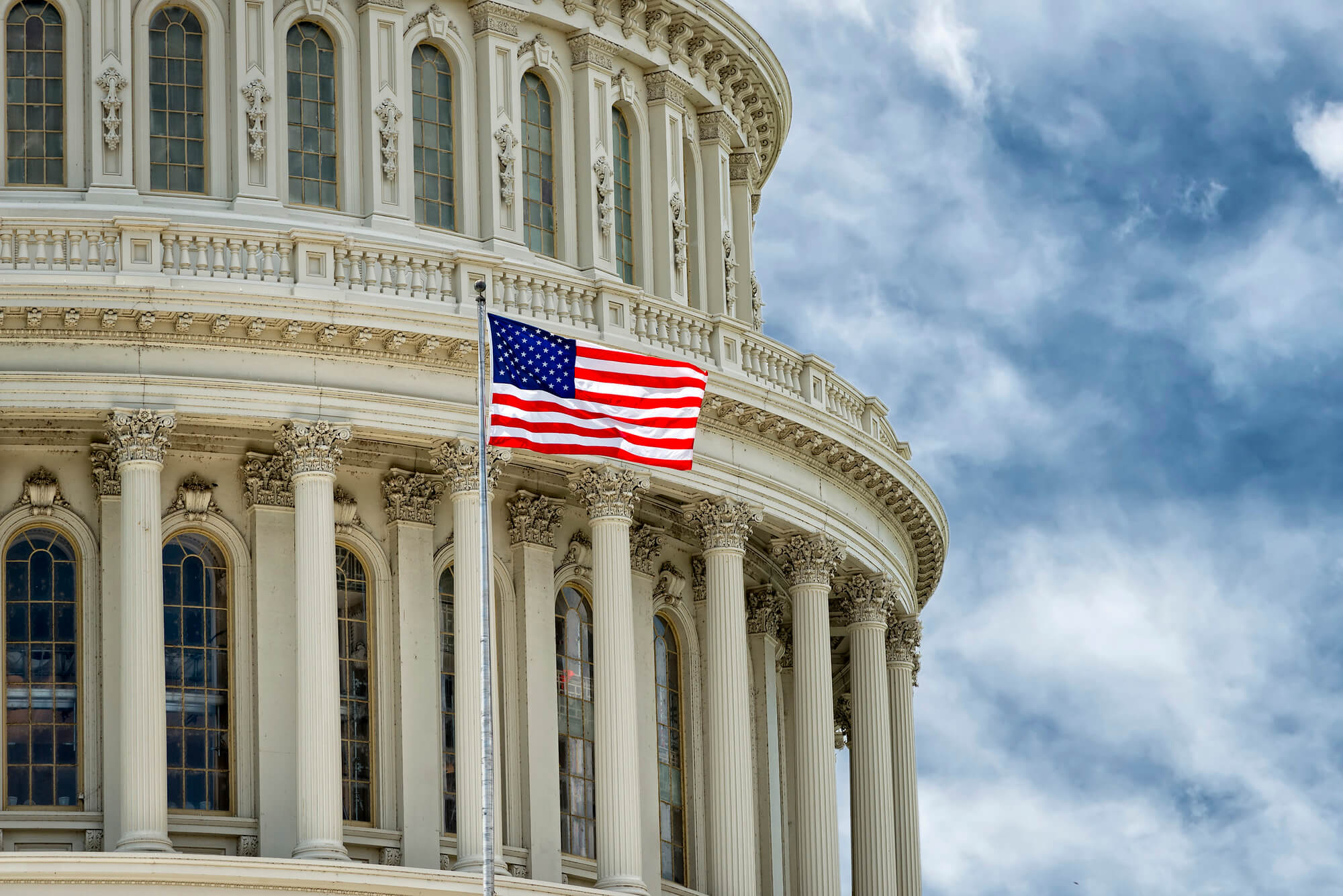
The US Senate has passed the so-called GENIUS Act (Guiding Emerging National Innovations for Unified Standards) with a bipartisan majority of 66 to 32 votes, establishing a regulatory framework for stablecoins.
Stablecoins are digital assets pegged to a reserve asset such as the US dollar. The GENIUS Act introduces the first comprehensive federal regulatory framework for stablecoins. Just a few weeks ago, the bill appeared to be on the verge of failure. Some Democrats opposed it due to the Trump family’s personal involvement in crypto projects. Now, with support from both parties, the bill has successfully passed the Senate.
Key points of the GENIUS Act
The GENIUS Act requires issuers of stablecoins to back their digital assets with liquid and secure assets such as US Treasury bonds. They must also comply with strict anti-money laundering regulations and prioritize investor repayment in the event of insolvency. Another key component of the law is the prohibition of technology companies such as Meta and Google from issuing their own stablecoins, in order to prevent excessive market concentration.
Although the bill received bipartisan support, some Democrats raised concerns about potential conflicts of interest. Senator Elizabeth Warren specifically criticized the possible financial benefits for President Donald Trump, whose family has invested in the stablecoin USD1. Despite these concerns, supporters such as Senator Mark Warner emphasized the importance of a clear regulatory framework to promote innovation and protect consumers.
United States bet on stablecoins
In the first week of his presidency, President Trump signed several executive orders related to digital assets. The aim of the strategy was to position the US as a leading crypto nation. One of the central elements focuses on stablecoins. The globally increasing demand for US dollars benefits the United States by creating a constant buyer for its debt. For context: leading stablecoin issuer Tether holds over USD 120 billion in US Treasuries-more than the Federal Republic of Germany.
The response from the crypto industry to the stablecoin bill was overwhelmingly positive. Industry associations such as the Blockchain Association and leading stablecoin issuers like Circle and Paxos praised the GENIUS Act as a long-overdue step toward legal clarity.
International observers are also watching US regulation closely. Experts anticipate that other major economies-such as the EU with MiCA, or countries like Singapore and Japan-may align their own stablecoin frameworks with the US model. As a result, the GENIUS Act holds not only national importance but also the potential to set global standards for digital payment infrastructure.
Switzerland, in particular, should reconsider its approach to stablecoins. Since 2024, domestic companies have been subject to significantly stricter regulations, including a banking license requirement and full customer identification. These FINMA rules are effectively tantamount to a ban on the business and put Switzerland at a substantial competitive disadvantage. Given that Tether generated a net profit of USD 10 billion last year, this strategy appears tactically unwise.