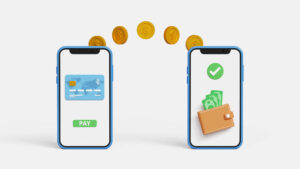
Decentralized identity (DID) refers to an identity model in which users own and manage their digital identities themselves – without relying on centralized authorities, companies, or platforms. It forms the foundation of a privacy-friendly, interoperable identity system in Web3.
With decentralized identity, personal data, credentials, and access rights are controlled by the user rather than by a central institution. Identities are managed through wallets, cryptographic keys, and verifiable credentials. This creates a secure, portable, and tamper-resistant model for digital identification.
How it works and what it aims to achieve
Decentralized identity breaks with the traditional Web2 model, where identities are controlled by tech corporations, registries, or social platforms. Instead, the system is based on self-managed identities, known as “self-sovereign identities” (SSI). An identity is controlled through a wallet and cryptographic keys, while credentials – such as a driver's license, education certificates, or memberships – are stored as verifiable credentials. These attestations can be shared selectively, without requiring users to disclose their full set of data.
The goal is a privacy-preserving model that reduces manipulation, data misuse, and identity theft. Users decide which attributes to share and with whom. Control shifts away from centralized data collectors toward individual sovereignty over digital identity.




Use in Web3 and the real economy
In the Web3 ecosystem, decentralized identity simplifies the use of dApps, on-chain profiles, and cross-platform logins. Instead of signing in with an email address or social media account, users can rely on their wallet-based identity, optionally enhanced with verified permissions or KYC credentials when required. This creates a portable, verifiable reputation that persists across platforms and cannot be deleted or restricted if a service provider disappears.
Beyond crypto, the concept is gaining traction as well. Governments, banks, and educational institutions are testing solutions to issue official credentials digitally and securely without storing data centrally. EU initiatives for an E-ID wallet, pilot projects in Singapore or Canada, and enterprise solutions from companies like Microsoft show that decentralized identity could evolve into a global standard for digital credentials.