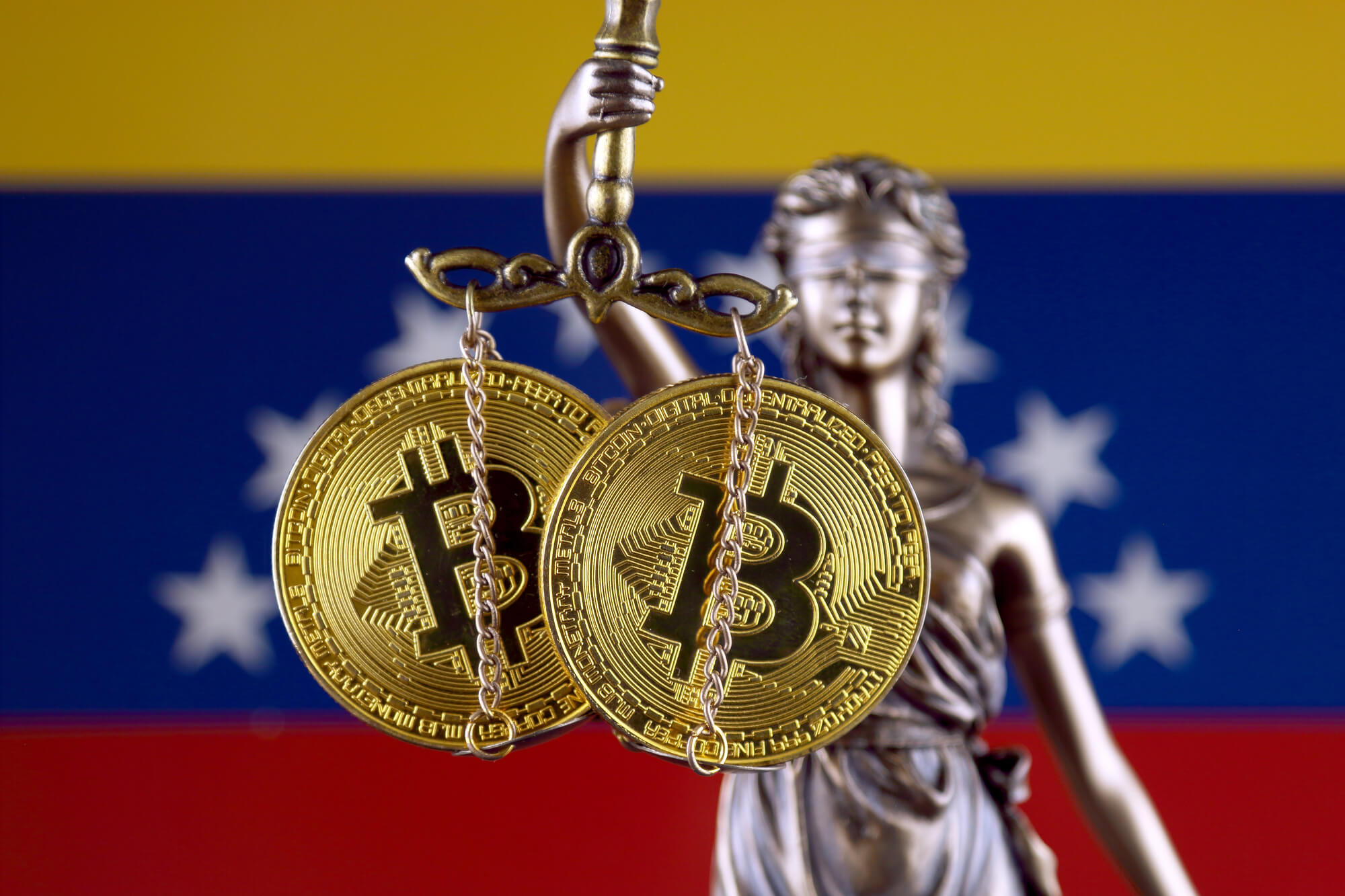
A recent research report by 21Shares examines what the latest developments surrounding Venezuela reveal about Bitcoin’s strategic relevance - beyond mere price movements.
The analysis shows that Bitcoin is increasingly establishing itself as an asset with a strategic function: as a neutrality instrument in geopolitically fragmented times, as an inflation and reserve hedge beyond state control, and as an alternative store of value in regions with systemic instability. This narrative contrasts with traditional, state-influenced markets such as energy or currencies.
Traditional market reactions vs. Bitcoin neutrality
The 21Shares analysis places the recent political upheaval in Venezuela in the context of global market reactions. While traditional commodity and energy prices respond to political developments - for example through adjustments in supply and inflation expectations - Bitcoin exhibits a different dynamic. Energy prices reflect state control and supply forecasts, whereas Bitcoin is increasingly viewed as an independent value driver that is not directly shaped by government intervention.
In this environment, Bitcoin is seen as a neutral hedge against inflation, currency devaluation, and geopolitical fragmentation. This perception has led investors to assign greater attractiveness to Bitcoin during periods of heightened uncertainty, even when other traditional stores of value such as gold have experienced strong performance phases.



Speculation about strategic Bitcoin reserves
A particular element of the debate concerns potential state or state-relevant Bitcoin reserves, especially in Venezuela. According to intelligence sources, Venezuela could control between 600'000 and 660'000 BTC - currently valued between USD 60 and 67 billion. While these figures are not officially confirmed, they have reinforced the narrative that Bitcoin can be discussed as a reserve asset at the sovereign level.
In the same context, it is debated whether such holdings - for example through political or legal developments - could be transferred into a strategic reserve of a state such as the United States, which would establish Bitcoin’s role far beyond traditional investor groups.
The analysis links the current geopolitical situation with two overarching developments: first, the growing pressure on traditional currency systems, and second, the search for neutral, cross-border stores of value. In contrast to state-controlled assets such as oil reserves, Bitcoin remains largely beyond direct political control. This potentially makes it more attractive in fragmented international relations - both for states and for private and institutional investors.
Furthermore, the report notes that in countries with high instability - such as those experiencing massive inflation or capital controls - the use of cryptocurrencies as practical means of payment and value protection is particularly high. Venezuela is a prominent example of how Bitcoin and stablecoins address local financial needs when traditional systems fail.