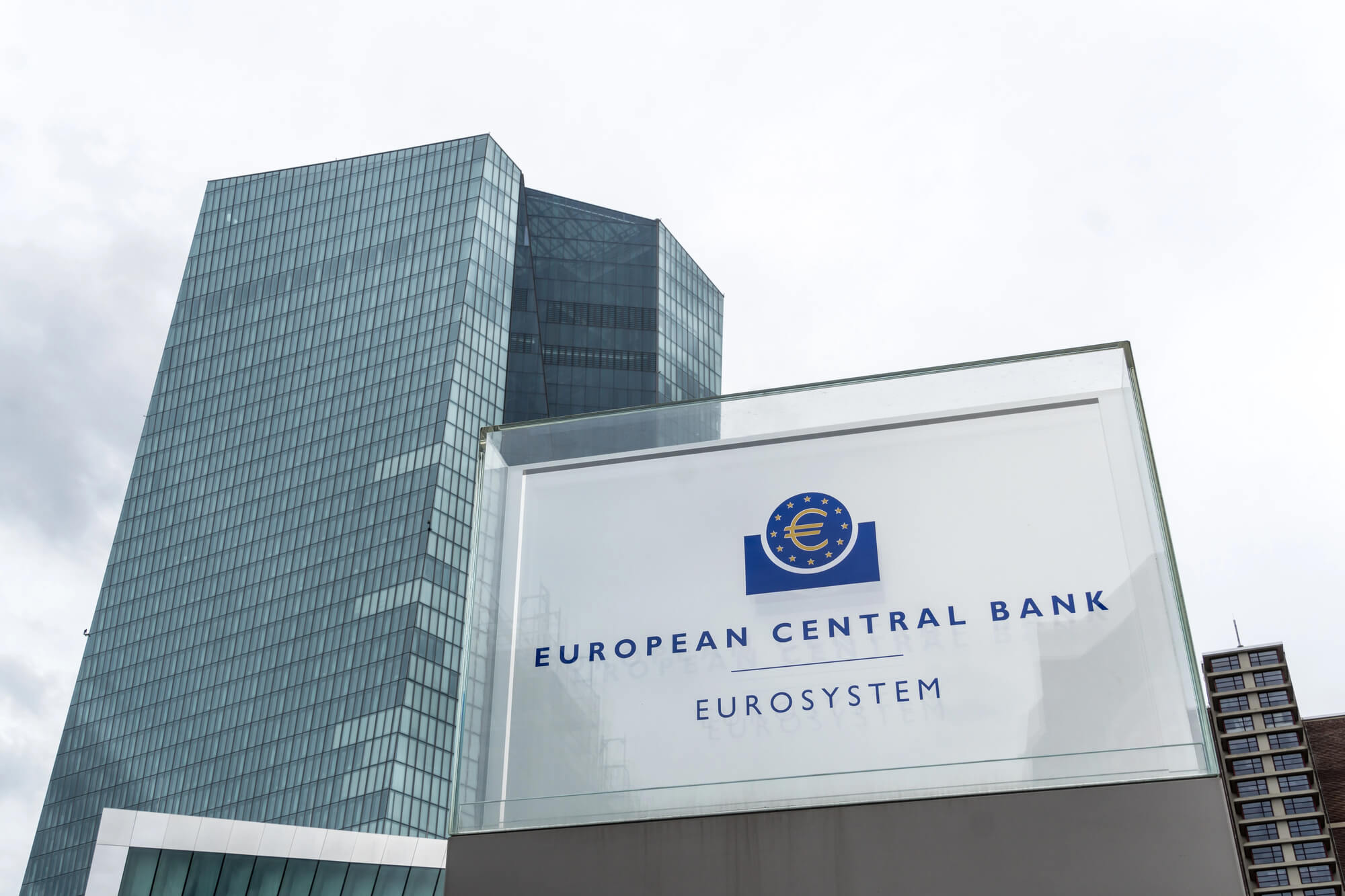
The European Central Bank (ECB) is intensifying its plans to introduce a digital euro for the general public. According to Piero Cipollone, a member of the central bank’s executive board, the central bank digital currency (CBDC) could become a reality by 2029.
The Italian official praised a major breakthrough last week when eurozone finance ministers reached an agreement on setting customer ownership limits, as Bloomberg reported. Discussions at the member state level are going very well. When asked about a potential launch date, Cipollone suggested that mid-2029 could be a realistic estimate.
Digital euro as an alternative to cash
Since 2020, the European Central Bank (ECB) has been pushing forward with the project of a digital euro. The reason for considering a digital euro is the rapidly advancing digitalization of the European economy. While the use of cash is steadily declining, online shopping and digital payments are gaining importance. The ECB therefore considers it necessary to provide a secure and universally accessible payment option in the form of a digital euro. This central bank digital currency (CBDC) would be a public good for the EU area. It is intended to ensure that people in the eurozone can always rely on a public means of payment.
According to the ECB, the benefits of a digital euro would be far-reaching. From a business perspective, a CBDC would streamline payment processes, reduce costs, and expand customer reach. In addition, a digital euro would strengthen Europe’s strategic autonomy. According to the ECB, a CBDC could minimize dependency on private external providers, promote competition in the payments sector, and improve financial inclusion while safeguarding privacy. Ultimately, a digital euro would be a logical step in the development of the European currency.
Concerns are justified
However, the idea of a central bank digital currency (CBDC) is not welcomed everywhere. The main concern is that it could be fully tracked and monitored by the central bank. Unlike cash, which allows anonymous transactions, CBDC transactions would leave a permanent digital trail, giving authorities unprecedented access to an individual’s spending habits. This could lead to violations of privacy, such as targeted advertising, government surveillance, or data leaks, unless adequate safeguards are in place. Thomas Moser, alternate member of the SNB governing board, warned in an interview with CVJ.CH about retail CBDCs.
Furthermore, programmable money is a powerful feature of CBDCs with many potential pros and cons. Essentially, central banks could program their digital currency so that certain things happen automatically. For example, the creation of smart contracts would be possible, cash flows between parties could be regulated, or restrictions on the use of digital currency could be enforced programmatically. This could be very useful in many ways; automation of financial transactions, cost reduction, efficiency gains, and improved transparency are just a few examples.
But programmable money could also be used to influence people’s behavior or actions. Governments or central banks could create incentives for certain types of spending by offering rewards or benefits through CBDCs. This raises concerns about government control over individual financial decisions. Any use of programmable money for nudging purposes would have to be carefully designed and implemented to avoid unintended consequences or negative impacts on individuals. Accordingly, there are discussions in the United States about banning CBDCs altogether.




ECB will push ahead with the digital euro nonetheless
The European central bank is not deterred by these concerns. The biggest obstacle currently is the European Parliament, which must pass legislation to support the initiative. Following a progress report on October 24, lawmakers will have six weeks to submit amendments and another five months for discussions. According to Cipollone, a parliamentary position could be reached by early May 2026.
"We should reach a general approach, as they call it, an agreement among member states, by the end of the year." - Piero Cipollone, member of the executive board of the European Central Bank (ECB)