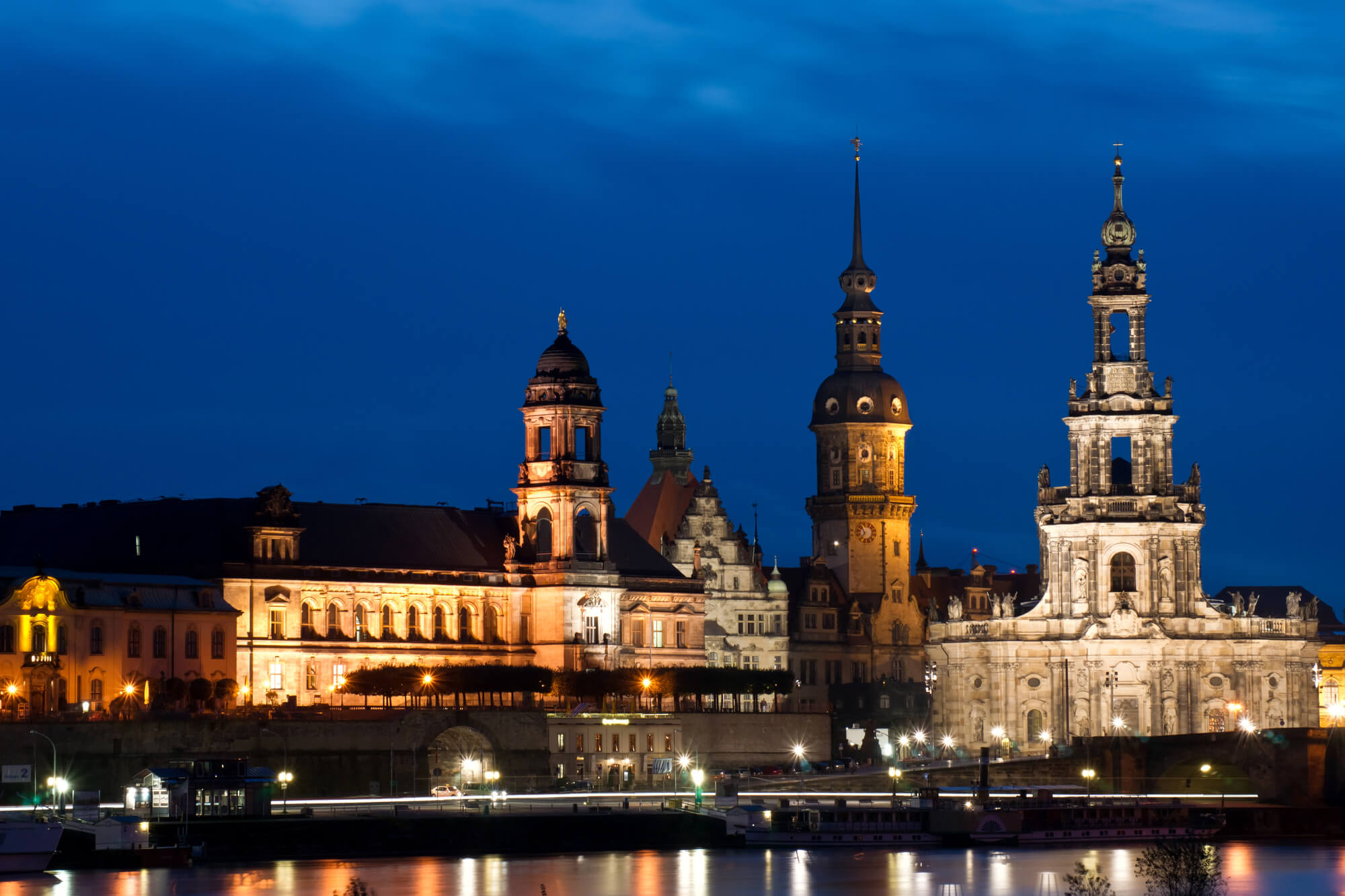
In the movie2k trial at the Landgericht Leipzig (Leipzig Regional Court), Judge Karsten Nickel has proposed a plea deal. The offer could secure crypto assets worth up to 6.2 billion euros for the Free State of Saxony. Under the terms, lead defendant Josef F. would enter a guilty plea and receive a suspended sentence of 1.5 years in return.
Saxony would then be able to legally seize the 2.64 billion euros from the 2024 Bitcoin sale. However, the deal goes further. Josef F. would also hand over access to approximately 57'000 BTC that he allegedly still controls. Currently, the estimated value ranges from 3.3 to 3.6 billion euros. Without an agreement, the 42-year-old faces up to 13 years in prison for commercial money laundering in 146 cases.
Movie2k: from streaming platform to billion-euro case
Movie2k.to was one of the largest illegal streaming platforms in the German-speaking world until authorities shut it down in 2013. Furthermore, the site funded itself through advertising and subscription-trap websites. Josef F. began investing the proceeds in Bitcoin as early as 2008, when prices were still in the single-digit dollar range. As a result, an extraordinarily large fortune accumulated over time.
In spring 2024, Josef F. transferred approximately 49'858 BTC to authorities. Subsequently, the Free State of Saxony sold the holdings during the summer of 2024 at prices between 54'000 and 57'600 USD, generating 2.64 billion euros. Overall, the sale ranked among the largest government Bitcoin liquidations worldwide. The Generalstaatsanwaltschaft Dresden (Dresden General Prosecutor's Office) is responsible for the prosecution.
Notably, the legal situation stands out. More than 220'000 copyright violations that formed the core of movie2k's operations became time-barred in August 2024. Therefore, charges relate exclusively to money laundering. Under German law, authorities can confiscate criminal proceeds pursuant to Sections 73 ff. of the Criminal Code (StGB) even when the underlying offense has expired. Accordingly, this so-called extended confiscation applies without restriction, according to the Landgericht Leipzig. It forms the legal foundation of the entire case.
Probation for billions: the judge's calculation
The logic behind Judge Nickel's proposal is straightforward. For Saxony, up to 6.2 billion euros are at stake. Meanwhile, Josef F. faces the difference between probation and 13 years in prison. A lengthy trial with an uncertain outcome benefits neither side.
In addition, the deal covers co-defendant Dustin O., aged 39. He faces charges of money laundering in 46 cases and tax evasion. For his part, the judge has indicated a suspended sentence of 8 to 12 months. Proceedings have been running since February 2026.
One detail that has received less attention: the prosecution only introduced the 57'000 BTC during the course of the proceedings. According to reports, blockchain analytics firm Arkham Intelligence identified the holdings on-chain as early as September 2025. This nearly doubles the potential confiscation amount. For the Generalstaatsanwaltschaft Dresden, pressure to reach a settlement is therefore growing before Josef F. can obscure access to the remaining wallets.



Saxony's premature Bitcoin sale sparks renewed debate
The sale of 49'858 BTC in the summer of 2024 remains controversial. Saxony generated 2.64 billion euros at the time. Since then, Bitcoin's price has risen above 100'000 USD. Depending on the calculation method, the Free State missed out on between 500 million euros and 2.8 billion USD in additional value. Saxony effectively sold near the annual low and missed the subsequent rally of more than 80%. The Generalstaatsanwaltschaft Dresden justified the rapid sale by citing crypto market volatility. Because of "enormous and extremely fast price swings," the conditions for an immediate sale had "permanently" existed, the authority stated. Nevertheless, critics consider this reasoning a pretext.
If the deal goes through, Saxony faces a second high-stakes decision. Another immediate sale of the 57'000 BTC would reignite the 2024 debate. At the same time, proceeds would first need to flow to rights holders in the film industry before any remaining funds enter the state budget. Consequently, the sequence and timing of the liquidation could shift Saxony's financial outcome by billions.
Germany's largest crypto case nears possible settlement
Measured by asset value, the case at the Landgericht Leipzig ranks among the largest crypto proceedings worldwide. In particular, the confiscation amount of 6.2 billion euros stands out - accumulated by a single defendant through early Bitcoin purchases funded by illegal streaming revenue. Similarly, the United States has repeatedly auctioned seized BTC from Silk Road cases on a comparable scale. However, the Saxony case differs structurally. Here, the defendant handed over the coins voluntarily and is now expected to surrender more.
Whether Josef F. accepts the deal remains uncertain. His defense attorney has not commented publicly so far. Moreover, the defense could challenge a potential verdict before the Bundesgerichtshof (Federal Court of Justice). Even with an agreement at the Landgericht Leipzig, a final resolution is therefore not guaranteed.