
Igloo Inc., the parent company of Pudgy Penguins, will shut down its Ethereum chain Abstract on December 15, 2026. According to CEO Luca Netz, the company lost tens of millions on the project. Still, it will not launch a token of its own.
A layer 2 is a separate blockchain that bundles transactions and settles them more cheaply than Ethereum. However, it still draws its security from the main network. As a layer 2, Abstract targeted consumer applications rather than financial products. Igloo originally raised over USD 11 million for it in July 2024, in a round led by Founders Fund. The mainnet followed in January 2025. According to Netz, the company funded the chain for about 18 months in total. Abstract then announced its end in a post on X in October 2026. During that time, developers deployed more than 144 apps on the chain. Abstract says it attracted more than 400,000 users and processed over 325 million transactions. Moreover, the network formed partnerships with brands such as Red Bull Racing and Disney.
Stagnant growth and thin liquidity seal Abstract's fate
Abstract cites stagnant growth and thin liquidity on the chain as the reasons for the shutdown. A limited DeFi ecosystem and modest interest from institutional players added to this. In addition, the network operated on a smaller budget than its competitors. The record of more than 144 apps and over 400,000 users stands in contrast. Still, this reach was not enough to run the chain on its own. Nor did the partnerships with Red Bull Racing and Disney reverse the stagnant growth. A chain lives on capital that stays on it. On Abstract, that liquidity was precisely what ran thin.
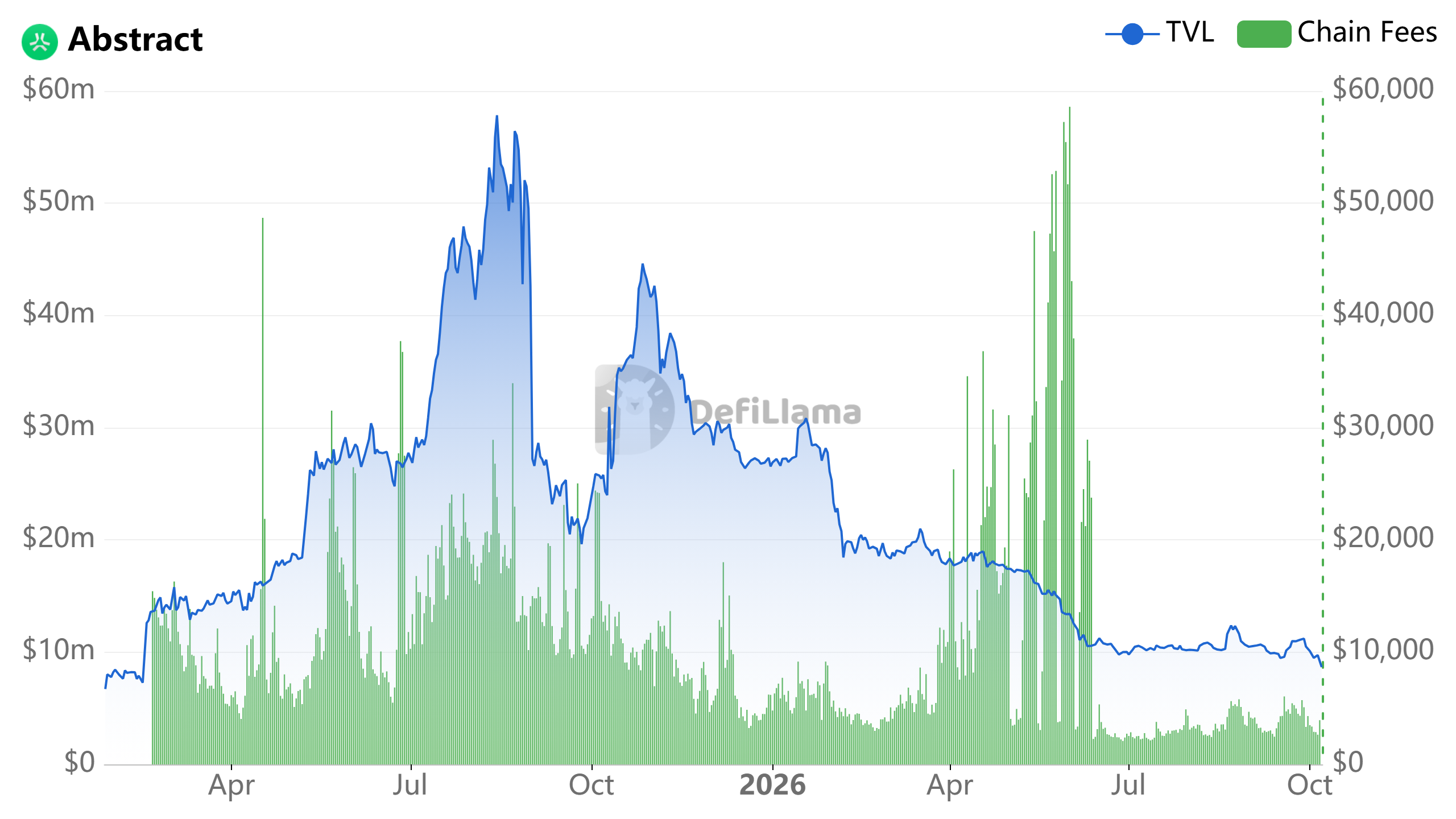
Signs of a retreat had already appeared in the weeks before the announcement. Activity on the official account declined, and two senior team members reportedly left in August. At the same time, observers examined the developers' wallet activity, which fueled speculation about an imminent end. Netz himself set the chain apart from financial applications. He pointed developers to Berachain or Arbitrum for their next DeFi project, saying Abstract specializes in "fun." This positioning matches the weaknesses the team now names in liquidity and DeFi offerings.
Why Pudgy Penguins is not launching an Abstract token
For Igloo, the project ends with a heavy loss. Over the roughly 18 months of funding, the company lost tens of millions of US dollars, according to Netz. The 2024 funding round had previously brought in more than USD 11 million. Freed-up resources will now flow into Pudgy Penguins and its associated token PENGU. As a result, the core business around the NFT brand moves to the center.
Yet Igloo is forgoing an Abstract token and an ICO, a public token sale. Netz explained his reasoning in a post on X.
"Even after losing 8 figures, we could have launched a token or pursued an ICO. Ultimately we decided against this. A token only works if there is something driving demand to it, and launching a token that we don't have conviction in would have been a disservice to our community." - Luca Netz, CEO of Igloo Inc.
A token could have given Igloo fresh capital. But the risk would then have shifted to the buyers. Instead, the company absorbs the loss itself and spares retail investors the costs of a failed chain. In doing so, Igloo sets a counterpoint to networks that fund their operations through token sales. Notably, even a well-known consumer brand backed by Founders Fund failed to create enough demand for the network. Netz therefore saw no place for a token without that foundation.



Abstract follows Blast within days
Blast had announced its own end less than a week before Abstract. The Paradigm-backed layer 2 launched its mainnet in February 2024. Before that, in November 2023, the team closed a USD 20 million Series A led by Paradigm and Standard Crypto. At one point, the value locked in Blast exceeded USD 2 billion. Now it stands at just over USD 32 million. According to The Block, the BLAST token fell 17% on October 2, 2026. Its market capitalization then stood at around USD 23 million. As a result, BLAST holders face a price loss that Abstract users, lacking a token, do not bear. Users can still withdraw their funds through the Blast interface until October 26, 2026. After that, the only route is directly through the bridge contracts on Ethereum.
Blast attributed the move to its own cost structure. According to the team, running costs exceed the chain's revenue, so it sees no credible path to economic viability. Abstract also cites economic causes, namely thin liquidity and stagnant growth. Both cases thus follow a similar pattern, because revenue did not cover the cost of running a dedicated chain. Neither Paradigm nor Founders Fund as backers changed this math. Blast's own BLAST token did not secure its operations either. Consequently, two shutdowns within a few days point to a structural problem rather than two isolated cases.
Users must withdraw assets from Abstract by December 15
Anyone holding assets on Abstract must move them off the chain before December 15, 2026. Otherwise, they risk losing access. Abstract offers two routes for this: the Migration Hub and the native bridge. A bridge transfers tokens between the layer 2 and the Ethereum mainnet. With the native bridge, however, users should expect a delay of about three hours. Anyone migrating close to the deadline should plan for this wait.
The team also warns against unofficial migration links and impersonators. For that reason, users should rely only on the project's official channels and check links before connecting a wallet. Developers receive support as well. Abstract's engineering and ecosystem teams are helping apps move to other networks. That leaves just over two months until the shutdown.