Close Menu
Crypto Valley Journal
    Facebook X (Twitter) Instagram
    Crypto Valley Journal
    • Hot Topics
      • News
      • Minds
    • Focus
      • Background
      • Blockchain
      • Legal & Compliance
      • Non-Fungible Token (NFTs)
    • Investing
      • Markets
      • Financial Products
      • Decentralized Finance (DeFi)
      • Exchange overview
    • Education
      • Basics
      • Glossary
      • Politicians on crypto
    • Statistics
      • Bitcoin-ETF-Flows
      • Ethereum-ETF-Flows
      • Crypto market data
      • On-chain data
    • Academy
      • Overview
      • Part 1: Blockchain
      • Part 2: Money
      • Part 3: Bitcoin
      • Part 4: Cryptocurrencies
      • Part 5: Decentralized Finance
      • Part 6: Investing
    • English
      • Deutsch
    Crypto Valley Journal
    You are at:Home » Hot Topics » News » Russia bets on cryptocurrencies for oil trade
    Russia bets on cryptocurrencies for oil trade

    Russia bets on cryptocurrencies for oil trade

    0
    By Editorial Office CVJ.CH on 17. March 2025 News

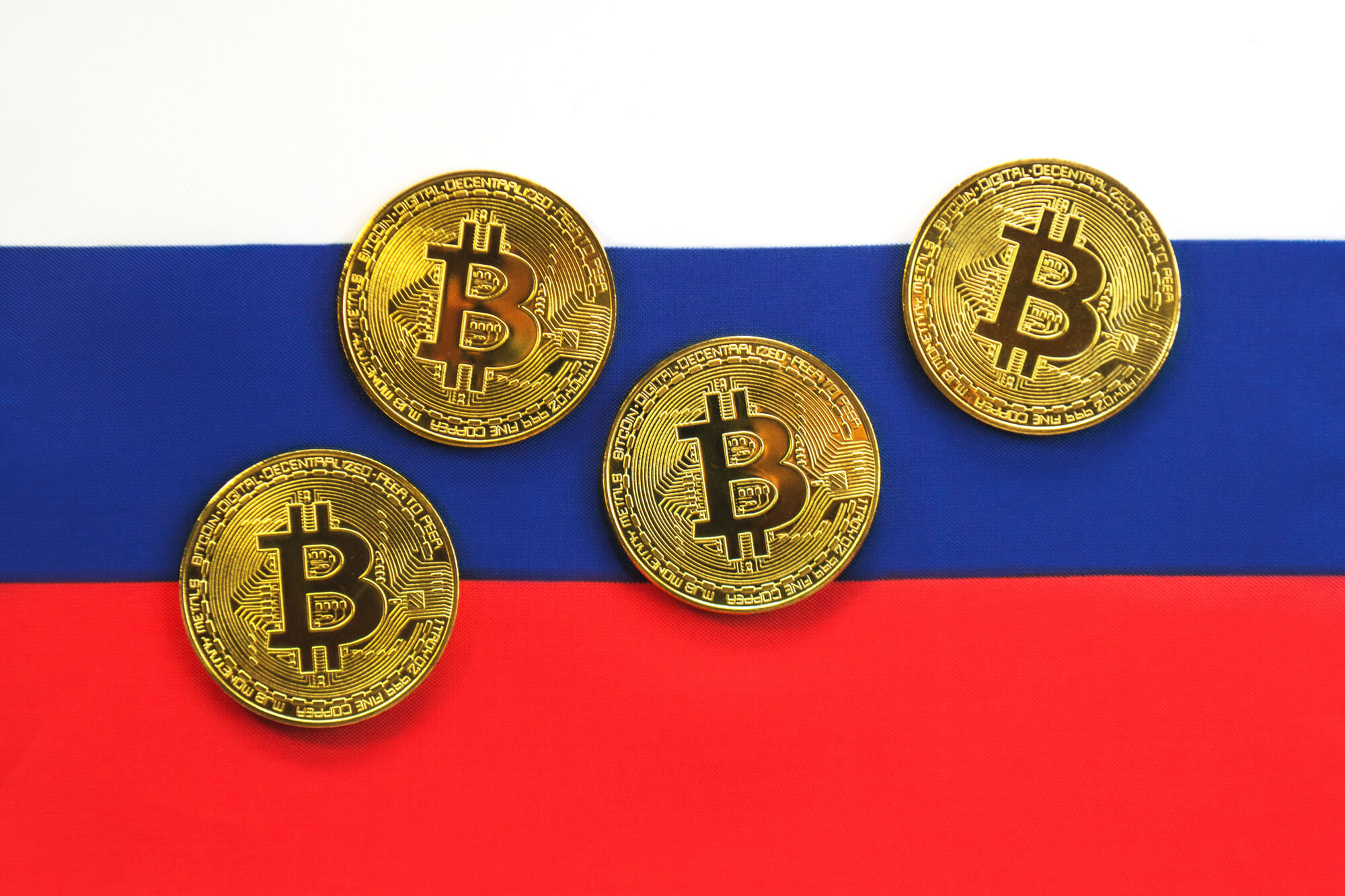
    In light of ongoing Western sanctions, Russia is exploring alternative methods for international transactions. According to media reports, the country is increasingly relying on cryptocurrencies such as stablecoins to maintain oil exports despite the restrictions.

    Russia is increasingly using digital assets like Tether (USDT) to process international payments in oil trading, Reuters reports. Payments from countries such as China, Turkey, and the United Arab Emirates are now being settled in cryptocurrencies. With this move, Moscow aims to detach itself from traditional financial systems like SWIFT and circumvent sanctions. The growing use of cryptocurrencies highlights how digital financial instruments are gaining geopolitical relevance.

    Subscribe to our newsletter

    The best articles of the week, directly delivered into your mailbox.

    Crypto payments instead of bank transactions

    Since the exclusion of Russian banks from the SWIFT network following sanctions imposed after the invasion of Ukraine, Russia has been searching for alternatives to process international trade transactions. Particularly in the lucrative oil trade, Russian traders are increasingly turning to stablecoins, primarily USDT, which is pegged to the US dollar and offers high liquidity.

    According to insiders, payments are made via wallets, often routed through intermediary financial hubs such as Dubai. From there, the amounts are converted into fiat currencies or transferred into alternative assets. The advantage: cryptocurrencies are faster, cheaper, and harder to track than traditional bank transfers. At the same time, they bypass Western regulatory authorities, which plays into Russia's hands given the current situation.


    Ray Dalio advises 10 to 15% gold and a small Bitcoin position, because he expects a US debt crisis within about three years. Minds

    Star investor Ray Dalio considers Bitcoin inferior to gold

    Ethereum Foundation researcher Justin Drake calls for Bunker Mode because AI mathematics could break ECDSA before quantum computers do. Background

    Ethereum researcher warns AI could break crypto encryption

    Financial Products

    Memecoins on Robinhood Chain distort tokenized stock prices

    Automated market makers manage liquidity pools like rule-based portfolios, with direct consequences for impermanent loss and hedging. Basics

    Automated market makers as decentralized portfolio managers

    Ray Dalio advises 10 to 15% gold and a small Bitcoin position, because he expects a US debt crisis within about three years. Minds

    Star investor Ray Dalio considers Bitcoin inferior to gold

    Ethereum Foundation researcher Justin Drake calls for Bunker Mode because AI mathematics could break ECDSA before quantum computers do. Background

    Ethereum researcher warns AI could break crypto encryption

    Global implications and regulatory pressure

    A state like Russia using cryptocurrencies in the oil trade marks a geopolitical turning point. It demonstrates the potential of digital assets to challenge existing financial architectures. Other countries with restricted access to international payment systems may follow suit.

    For regulators worldwide, this development presents a new challenge: on the one hand, stablecoins offer efficiency – on the other, they pose a risk to transparency and oversight. The global financial landscape is undergoing a transformation in which cryptocurrencies could play an increasingly central role.


    Share. Facebook Twitter LinkedIn Email Telegram WhatsApp

    About the author

    Editorial Office CVJ.CH
    Editorial Office CVJ.CH
    • Website
    • X (Twitter)
    • LinkedIn

    Since 2018, the editorial team at Crypto Valley Journal has been reporting from Zug - the heart of Switzerland’s Crypto Valley - on Bitcoin, cryptocurrency, blockchain, and regulatory developments in digital assets. Behind the publication’s collective editorial voice is a team of writers with backgrounds in financial markets, law, and technology.

    Related Articles

    a16z crypto plans to become a16z frontier with a broader mandate, according to The Information, and general partner Ali Yahya is reportedly leaving.

    a16z’s crypto arm drops “crypto” from its name

    Solana Alpenglow replaces the TowerBFT consensus mechanism on October 21, after which validators pay 0.8 SOL per epoch instead of vote fees.

    Solana Alpenglow upgrade to cut finality to 150 milliseconds

    JPMorgan has opened its deposit token JPM Coin on Ethereum to institutional clients, its second public blockchain after Base.

    JPMorgan brings JPM Coin to Ethereum

    Comments are closed.

    a16z crypto plans to become a16z frontier with a broader mandate, according to The Information, and general partner Ali Yahya is reportedly leaving.
    22. October 2026

    a16z’s crypto arm drops “crypto” from its name

    The OCC has published its final rule under the GENIUS Act, effective January 2027, and will review stablecoin rewards paid via partners case by case.
    21. October 2026

    US bank regulator OCC sets out stablecoin rules under the GENIUS Act

    FINMA has approved the first Bitcoin ETF in Switzerland, a retail fund that holds Bitcoin directly and is also open to private investors.
    20. October 2026

    FINMA approves Switzerland’s first Bitcoin ETF

    twitter image button instagram image button linkedin image button youtube image button

    About Crypto Valley Journal
    About Crypto Valley Journal

    On the pulse of the movement

    • Academy
    • Contact
    • Advertising
    • About us
    • Partner
    • Imprint
    • Privacy
    • Disclaimer
    Search
    © 2026 ThemeSphere. Designed by ThemeSphere.

    Type above and press Enter to search. Press Esc to cancel.