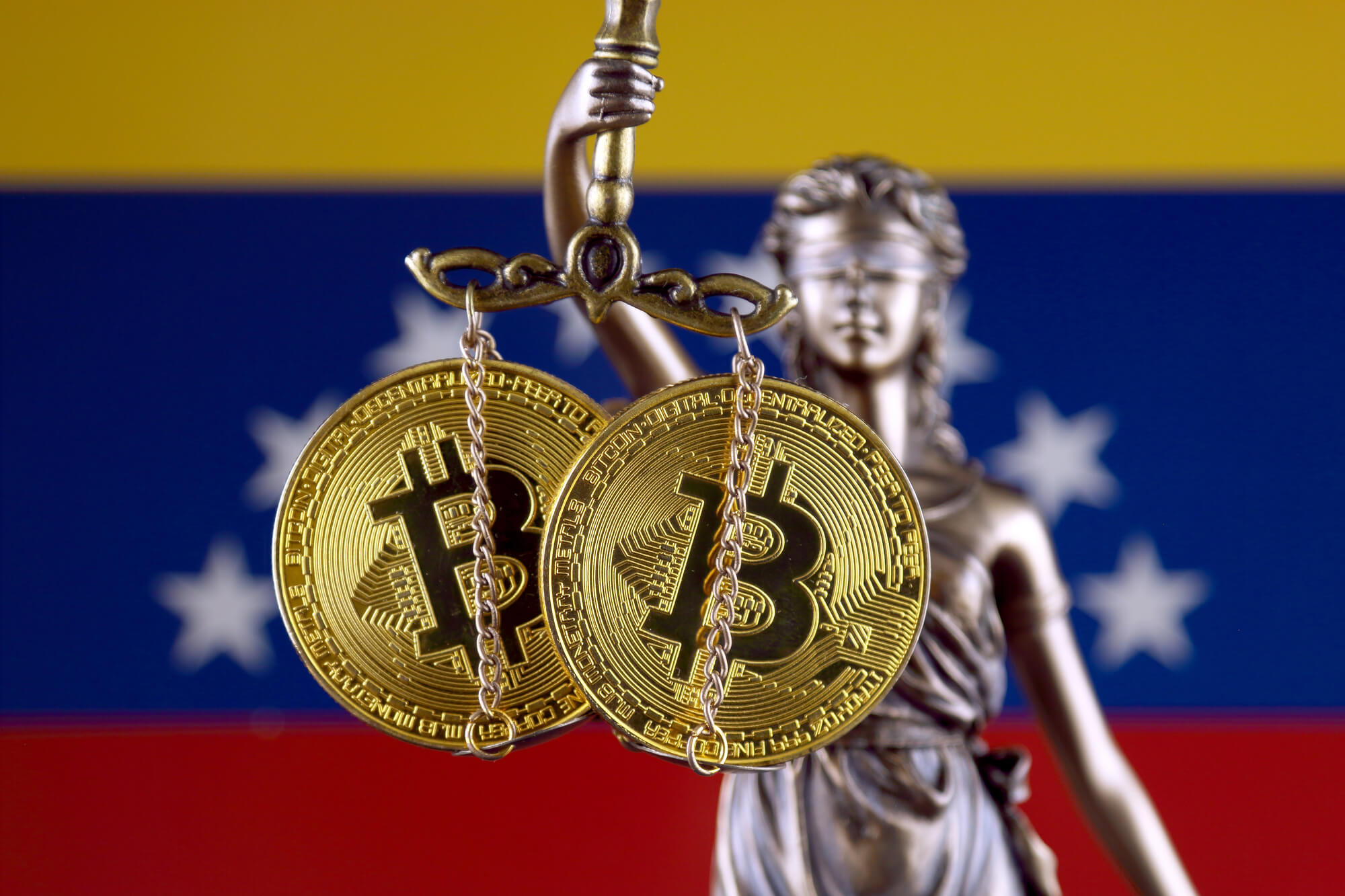
Bitcoin reached the 93,000 dollar mark for the first time in weeks. The surge followed the arrest of Venezuelan President Nicolás Maduro by US forces on January 3. Short positions worth around 133 million dollars were liquidated.
The US government conducted a military operation against Venezuela on Saturday morning. Maduro and his wife Cilia Flores were arrested and removed from the country. US Attorney General Pam Bondi announced that the couple was charged in the Southern District of New York with drug trafficking and weapons offenses. Vice President Delcy Rodríguez temporarily assumed presidential powers.
Market reaction and institutional inflows
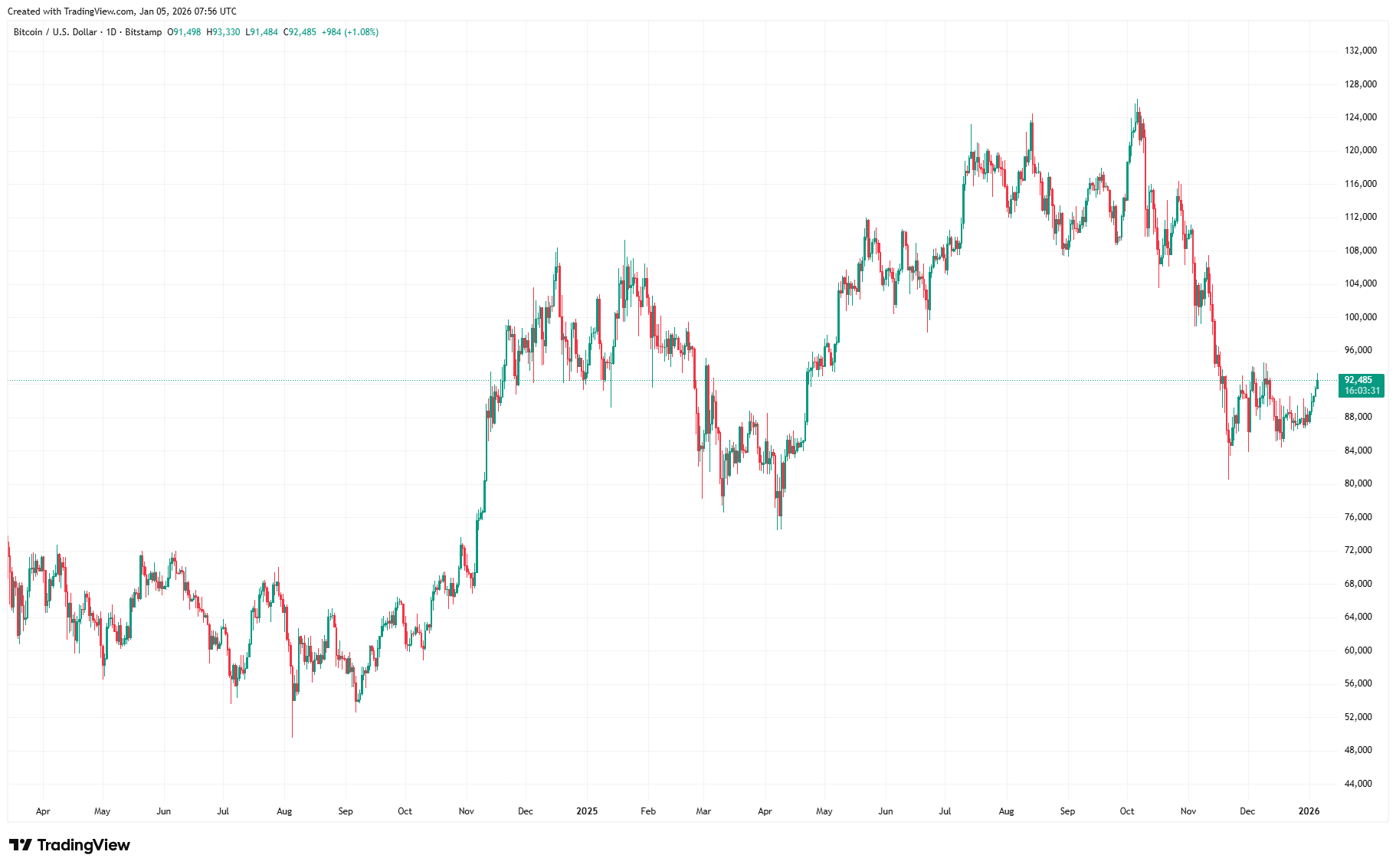
Bitcoin initially reacted with a brief decline to the news from Venezuela. The price fell 0.5 percent to 89,300 dollars when reports of the military operation became known early Saturday morning. Within hours, however, the cryptocurrency recovered and exceeded the 90,000 dollar mark. On Sunday, the rally continued and pushed Bitcoin above 93,000 dollars.
Liquidation data showed a clear predominance of short positions. According to Coinglass, positions worth a total of 180 million dollars were liquidated in the last 24 hours. This included 133 million dollars in short positions compared to only 47 million dollars in long positions. This imbalance suggests the price surge was partly driven by short squeezes.
Institutional investors returned to the market at the start of the year. On the first trading day of 2026, Bitcoin ETFs recorded net inflows of 471 million dollars. BlackRock's iShares Bitcoin Trust (IBIT) led with 287 million dollars, followed by Fidelity's FBTC with 88 million dollars. The inflows marked a significant reversal after combined outflows of 4.57 billion dollars in November and December 2025.




Venezuela's alleged Bitcoin reserves in focus
Maduro's arrest brought speculation about secret Venezuelan Bitcoin holdings into focus. According to intelligence sources, Venezuela could control between 600,000 and 660,000 BTC. At current values, this amounts to between 60 and 67 billion dollars. This would make the country one of the largest Bitcoin holders worldwide and far exceed the officially declared holdings of 240 BTC.
The buildup of this "shadow reserve" occurred through several channels, according to reports. Starting in 2018, the Maduro regime exchanged around two billion dollars in gold for Bitcoin, often at prices around 5,000 dollars per coin. This alone could have generated up to 400,000 BTC. Additionally, from 2023 onwards, the government required state oil company PDVSA to settle crude oil exports in USDT, as CVJ.CH reported. These stablecoins may subsequently have been converted into Bitcoin to avoid account freezes and reduce dependence on the US dollar.
Alex Saab, a Colombian businessman with close ties to the Maduro regime, is considered the architect of this accumulation strategy. According to reports, Saab worked as an informant for the US Drug Enforcement Administration (DEA) since 2016. This means Washington may have observed the buildup of these structures in real time. Oil deals between 2023 and 2025 allegedly brought in another 10 to 15 billion dollars, while confiscated mining facilities contributed an additional 500 million dollars.
Geopolitical implications for the crypto market
The potential discovery of a Venezuelan Bitcoin reserve raises questions about possible market impacts. Venezuela possesses the world's largest proven oil reserves with an estimated value of 17 trillion dollars. A regime change toward a pro-Western government could transform the global oil market while simultaneously affecting Bitcoin mining operations.
Analysts draw parallels to 2024, when the German state of Saxony sold 50,000 BTC and triggered a market correction of 15 to 20 percent. The alleged Venezuelan holdings are twelve times larger. A seizure and freeze would permanently remove about three percent of the total Bitcoin supply from the market. This represents an event with potentially bullish effects through permanent supply reduction.
The market structure, however, already shows consolidation. Open interest in Bitcoin futures fell from 94.1 billion dollars at the beginning of October to 54.6 billion dollars at the start of 2026. This represents a decline of more than 40 percent. This suggests that leverage has been reduced and the market is positioned more stably than in previous months.
Technical outlook and resistance levels
Bitcoin faces critical resistance levels. The 95,000 dollar mark is considered an immediate hurdle. A breakthrough would pave the way toward 100,000 dollars, as few order clusters exist in this range. Liquidation data shows a concentration of short positions between 91,000 and 96,400 dollars. This could trigger a liquidation cascade with further upward movement.
The cumulative trading volumes of US crypto ETFs exceeded the two trillion dollar threshold on January 2. This occurred less than two years after the launch of the first Bitcoin ETFs in January 2024. Assets under management (AuM) of Bitcoin ETFs currently amount to 117 billion dollars, which corresponds to 6.53 percent of Bitcoin's market capitalization. The strong inflows at the beginning of the year signal a return of institutional demand after the pronounced outflow phase in the fourth quarter of 2025.