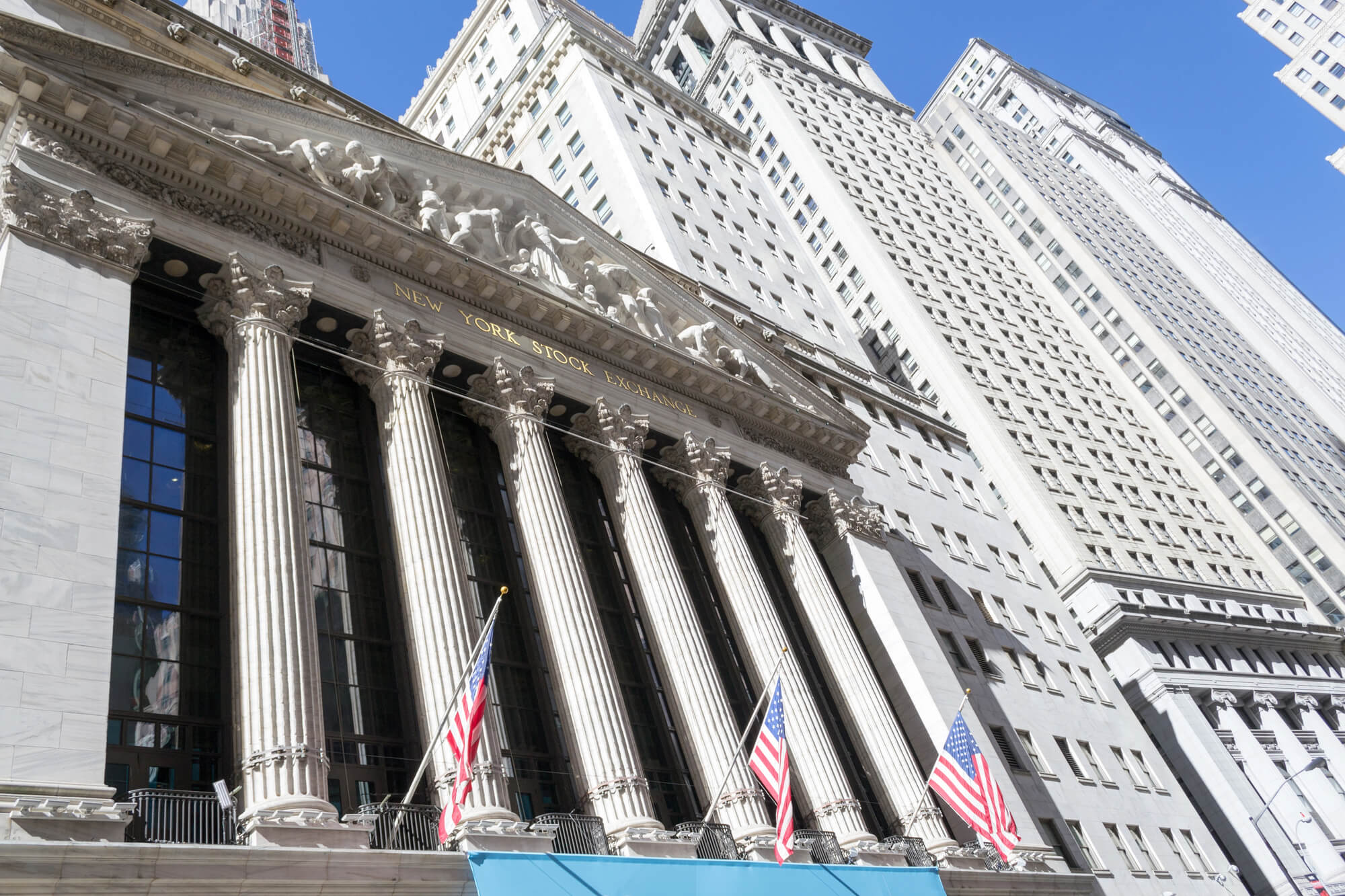
Intercontinental Exchange (ICE), operator of the New York Stock Exchange and one of the largest exchange operators worldwide, has acquired a minority stake in crypto exchange OKX. This transaction values OKX at $25 billion.
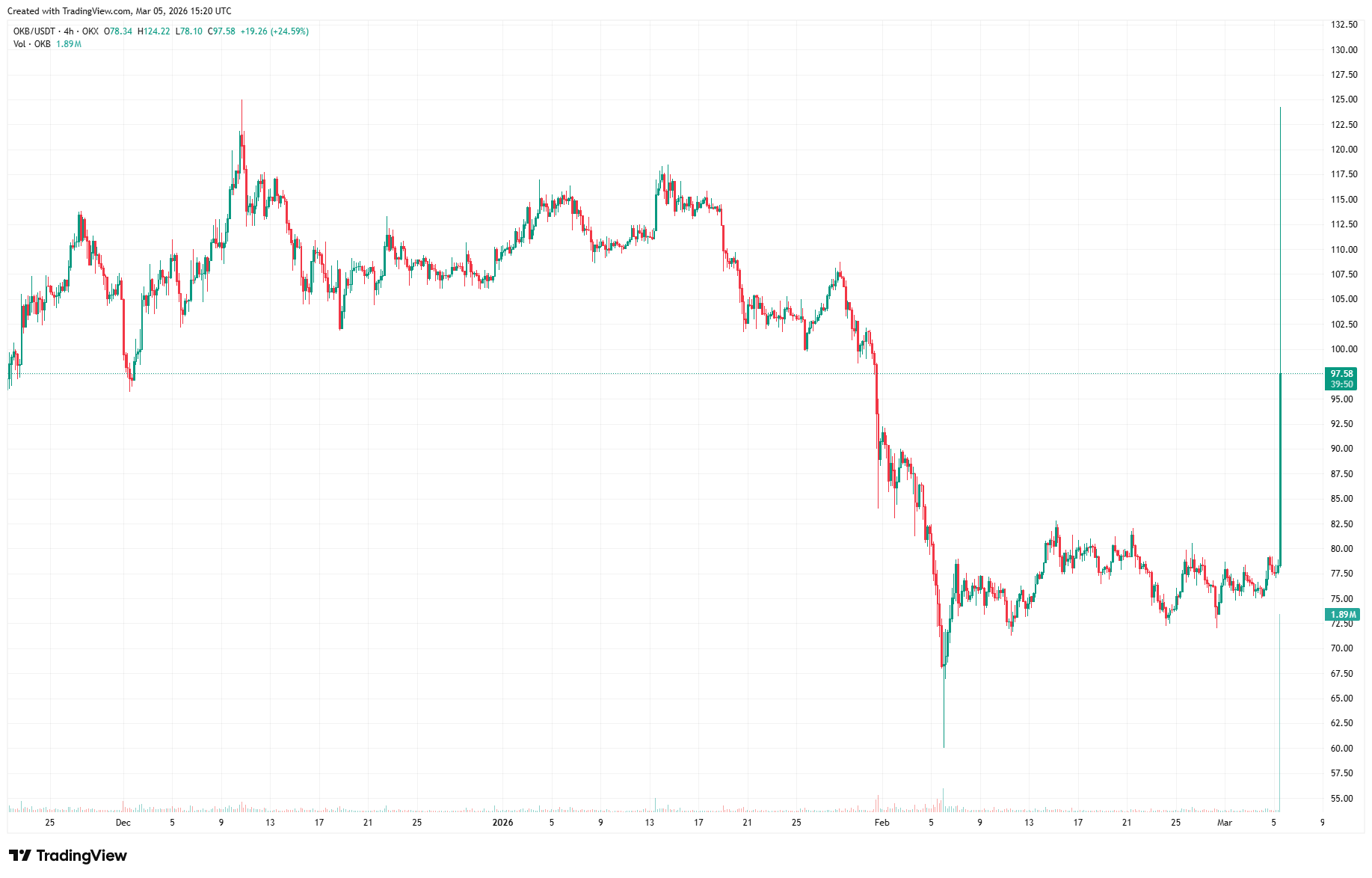
That figure puts OKX above the valuations of recently listed competitors Bullish and Gemini. Neither party disclosed the exact investment amount. As part of the deal, ICE receives a seat on OKX's board of directors. At the same time, OKX's roughly 120 million users will gain access to ICE's US futures markets and tokenized NYSE stocks. In return, OKX will provide ICE with a live price feed for all listed cryptocurrencies. Rollout of the integrated products is planned for the second half of 2026. OKX's native OKB token reacted immediately to the news, jumping roughly 50 percent.
Tokenized securities as a strategic link
This partnership goes beyond a pure financial investment. Both companies are planning joint clearing and risk management solutions, a multi-chain custody and wallet architecture, and blockchain-based trading infrastructure. ICE had already announced in January 2026 that it was developing its own infrastructure for tokenized securities. With the OKX stake, ICE now gains the crypto-native reach it needs for that effort.
Essentially, the deal merges two worlds. OKX brings 120 million users and deep experience in crypto trading, while ICE offers regulated markets and institutional credibility. Tokenized stocks should reduce transaction costs, shorten settlement times, and simplify global access to US securities. Proponents argue that blockchain-based settlement enables 24/7 trading and cuts out intermediaries.
"Our strategic relationship with OKX will expand global retail access to ICE's premier regulated markets and accelerate our plans to offer on-chain infrastructure and tokenized assets to US investors." - Jeffrey C. Sprecher, Chairman and CEO of Intercontinental Exchange
ICE's growing crypto strategy
ICE was an early investor in Coinbase. In October 2025, the company invested up to $2 billion in the prediction platform Polymarket at a valuation of roughly $8 to $9 billion. For ICE Vice President Michael Blaugrund, the stakes are high. Future competitors to exchange operators like ICE will not necessarily come from traditional institutions such as CME or Nasdaq. Instead, they could look like DeFi protocols or super apps. Blaugrund explicitly pointed to Robinhood and Uniswap as examples.
Through NYSE, ICE operates the world's largest stock exchange by market capitalization. Add to that futures exchanges like ICE Futures and clearinghouses like ICE Clear. Overall, the company commands a market capitalization of $70 to $80 billion. By that measure, OKX's $25 billion valuation is substantial but still well below ICE's own market value. This is a calculated strategic investment, not a transformative acquisition.


OKX: From DOJ settlement to institutional recognition
For OKX, the deal marks a notable turnaround. Just in February 2025, OKX's subsidiary Aux Cayes FinTech reached a $504 million settlement with the US Department of Justice. The company pleaded guilty to operating an unlicensed money transmission business. Penalties totaled $420.3 million in forfeiture and $84.4 million in fines. Between 2017 and 2024, OKX had systematically violated US regulations, allowing US customers to access the platform despite official geoblocking.
After the settlement, OKX launched a regulated fresh start in the US in April 2025. Its US headquarters is located in San Jose, California, with additional offices in New York and San Francisco. Around 500 employees already work in the US division. Globally, OKX employs 5,000 people, with plans to relocate up to 2,000 to the US. Roshan Robert, previously an executive director at Morgan Stanley and Barclays, leads the US operation.
As part of the DOJ settlement, OKX accepted a three-year compliance monitor through 2027. Additionally, the company built a team of over 150 people with backgrounds in law enforcement and regulation. This regulatory foundation likely influenced ICE's decision. An investment in a crypto exchange without a credible compliance structure would have been unthinkable for the NYSE operator.
TradFi capital flows into the crypto sector
The ICE-OKX transaction does not stand alone. In November 2025, market-making giant Citadel Securities invested $200 million in crypto exchange Kraken at a valuation of $20 billion. BlackRock, the world's largest asset manager, also recently partnered with the DeFi protocol Uniswap. Institutional capital is systematically seeking access to crypto infrastructure. This is no longer just about Bitcoin ETFs or passive exposure, but about direct stakes in the operational infrastructure of the crypto market.
Ongoing regulatory pressure on Binance in the US gives competitors like OKX additional room to attract institutional partners. Concrete products from the partnership should become available in the second half of 2026. OKX users will then gain access to ICE's US futures markets and tokenized NYSE stocks. Meanwhile, the three-year compliance monitor from the DOJ settlement continues in parallel through 2027. OKX CEO Star Xu described the deal not as an endpoint, but as the beginning of a deeper collaboration.