The market for stablecoins has entered a new era of maturity. Recently, the total market capitalization hit a historic $310 billion. As a result, these tools are no longer just for early technology adopters. This milestone represents a fundamental shift in how value moves across the globe.
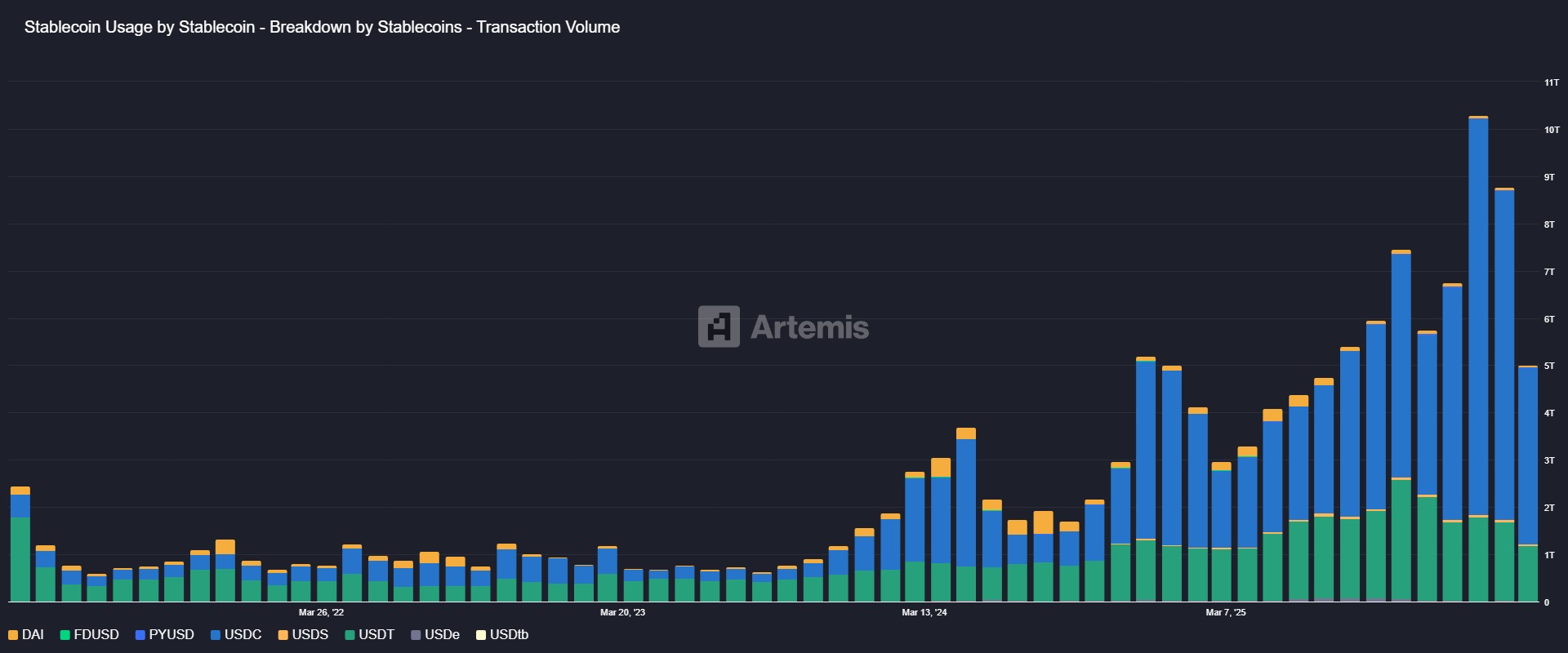
In particular, it is driven by institutional adoption, the tokenization of Real-World Assets (RWA), and a surge in global remittances. In short, stablecoin liquidity is becoming a core pillar of the digital economy. However, this is far from a temporary spike. Instead, the growth continues an upward trend established throughout 2025. This expansion is most visible in transaction volumes. According to Artemis Analytics, the total value of stablecoin transactions reached $33 trillion last year. That represents a staggering 72% increase year-over-year.
Definition and role of stablecoins
At their core, stablecoins are digital assets designed to track the value of a reference asset. In most cases, this means fiat currencies or commodities. By pegging their value to these benchmarks, they provide a stable unit of account within the digital ecosystem. Today, leading assets like USDT and USDC serve as the primary liquidity layer. In other words, they act as a bridge between traditional finance and decentralized networks.
Stablecoins serve several essential functions in modern finance. For example, they offer a safe harbor from price swings. This allows users to preserve purchasing power during turbulence without exiting the digital ecosystem. In addition, they function as the essential medium of exchange for lending and borrowing in DeFi. Moreover, they facilitate efficient global payments by bypassing traditional intermediaries. As a result, they create a new gateway for institutional capital and a seamless payment method for businesses worldwide.
What drives stablecoin liquidity and adoption
The rapid evolution of these assets has been bolstered by significant legislative milestones. In the European Union, the MiCA regulation took effect in 2024. Similarly, the United States passed the GENIUS Act in 2025. Consequently, stablecoins now operate under clear legal frameworks. This regulatory clarity has increased confidence among both retail participants and large organizations.
At the same time, an alternative settlement system based on a digital dollar is emerging. Major issuers have transitioned from technology startups into significant participants in the U.S. Treasury market. As a result, stakeholders can remain within the digital ecosystem even amid high interest rates and elevated volatility.
Furthermore, the introduction of stablecoin-linked cards by Visa and Mastercard is accelerating mainstream utility. Specifically, these cards enable seamless spending at millions of merchants globally. In turn, this reduces the friction of converting digital assets to traditional currency. This signifies a growing acceptance by traditional financial institutions. Looking ahead, increased competition among issuers and yield-bearing assets will likely lead to greater market diversification. Ultimately, these tools are solidifying their role as a fundamental component of the global financial landscape.
Disclaimer: This article is provided for general informational purposes only and does not constitute investment, legal, or financial advice, nor an offer or solicitation to buy or sell any financial instruments or digital assets. Any views expressed are based on current market observations and are subject to change. Past performance is not indicative of future results. Digital assets are volatile and may not be suitable for all investors. Readers should conduct their own independent research and seek professional advice before making any investment decisions.