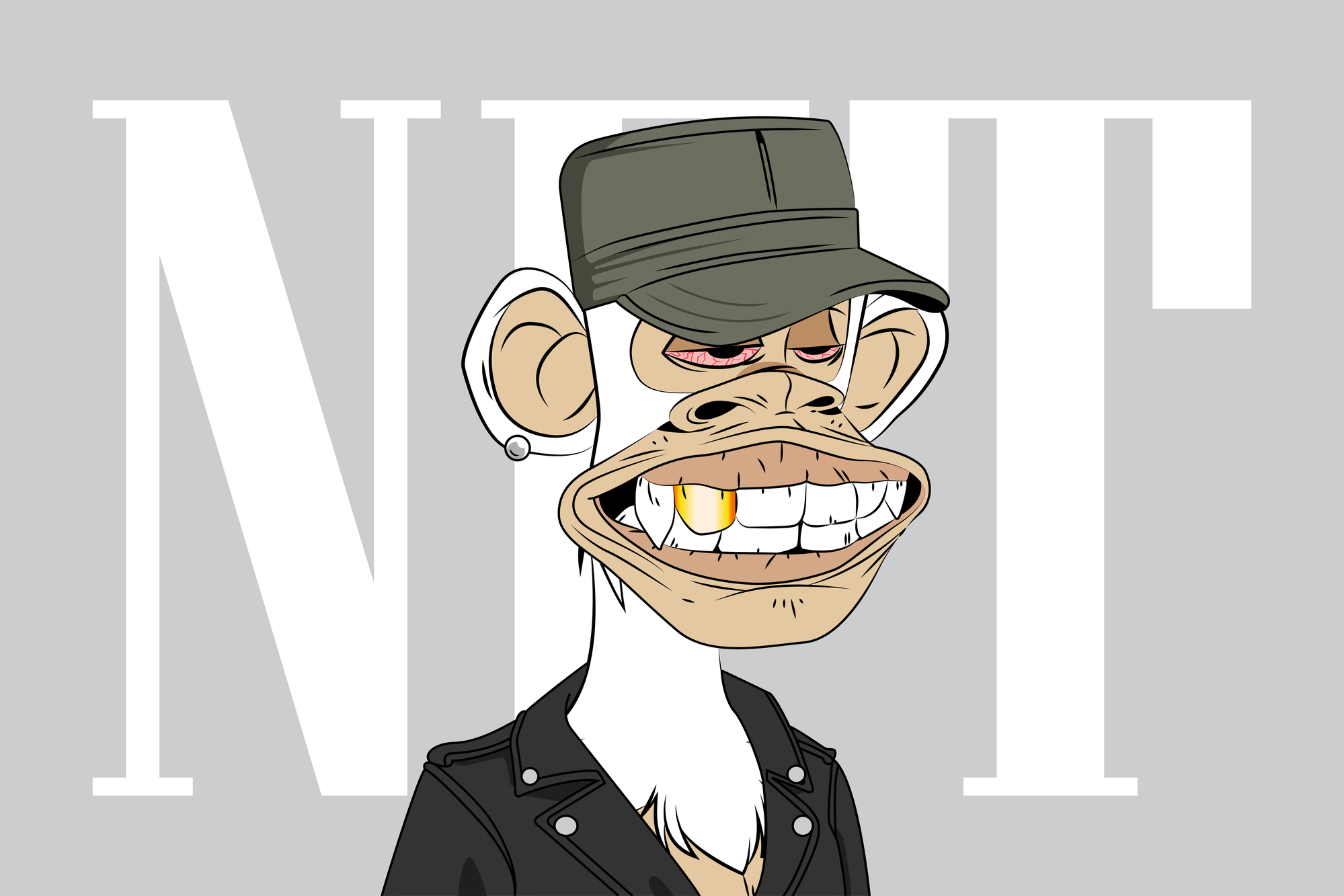
A non-fungible token (NFT) is a cryptographic asset that represents the ownership of something unique. A token symbolises the digitised form of an asset that has a specific value or function. NFTs represent unique digital assets, such as works of art, whose individual value cannot be exchanged for another.
In contrast, cryptocurrencies such as Bitcoin (BTC) are fungible. They always have the same value and can be exchanged for each other. To secure digital assets as NFTs, the token must contain information that proves its uniqueness and enables its owner to be traced. Tokenisation and digital representation offer the opportunity to trade real assets, such as real estate or music rights, with the associated rights and obligations transferred to the token.
What does fungibility mean in this context?
All fiat currencies, including Bitcoin, are considered fungible. This means that 1 BTC has the same value as another BTC. Any Bitcoin can be exchanged for any other Bitcoin, and both will always have the same value. Most blockchain tokens fall into this category of "fungible tokens". Assets that are not fungible, such as a painting, do not have exactly the same value as another. Art has a different (subjective) value. NFTs are unique digital tokens that retain this non-fungible property, creating a distinction between two NFTs.
It's important not to confuse the token with the asset. The token is only the representation of the asset. In fact, the asset, such as a digital representation of a real piece of art, is not necessarily stored on the blockchain. Instead, the NFT represents a digital certificate that contains a link to the artwork. By owning the certificate, one merely proves ownership of the asset to which it is linked. The legal and regulatory implications are still largely unexplored. The wider market is already experimenting with various use cases beyond digital art, including title deeds for real estate or other non-digital assets.
Characteristics of NFTs
NFTs have existed since 2012 with the introduction of the "Coloured Coins" collection. However, the CryptoPunks of 2017 are considered the pioneers of the NFT movement. Although they were initially free, they are now traded with prices reaching several million CHF. CryptoPunks are also credited amongst others for kicking off the NFT hype in 2021. NFTs are available online on various marketplaces, the most well-known being Opensea or Blur. Many other NFT marketplaces facilitate the trading of NFTs, primarily in art or collections with a community aspect.
In addition to the increasing acceptance and liquidity of digital assets, the following fundamental factors of the NFT market should be considered:
- Diverse market participants
NFTs are relevant to specific niches both on the issuer side (e.g. famous artists and well-known companies) and on the buyer side. NFTs have attracted a new mass audience beyond fintech-savvy users. - Media visibility
Crypto-related topics, especially those related to NFTs, are frequently covered in the mass media. Well-known personalities from various industries are also involved, showing off their collectibles to the public. - Low entry barrier
The user experience has been greatly improved with easy and fast fiat on- and off-ramps, user-friendly wallet UIs, seamless usability, and integration with decentralised and centralised marketplaces. Apart from the question of appropriate security measures, access to the crypto ecosystem has never been easier.
Different NFT standards on Ethereum:
Ethereum is one of the world's most popular blockchains, widely used in fintech, DeFi, DAOs, NFTs and many other areas. Its associated cryptocurrency, ETH, has the second highest market capitalisation after Bitcoin. Due to its broad applications and popularity, many NFT standards have emerged for Ethereum:
- ERC-721
Most NFTs on the Ethereum network are based on the ERC-721 token standard, the first NFT standard on the Ethereum network, which was proposed in January 2018. ERC-721 (ERC stands for Ethereum Request for Comments) was proposed by William Entriken, Dieter Shirley, Jacob Evans and Nastassia Sachs. The standard implements a smart contract API for NFTs, providing functions such as transferring tokens between wallets, querying the current balance of tokens in a wallet, verifying the ownership of a specific token, and querying the total supply of tokens in the network. It also provides other features such as authorisation to transfer tokens to a third party wallet. - ERC-998
These tokens can be organised into complex digital assets and valued, traded or sold as a unit. The ERC-998 token standard can include various non-fungible tokens, such as ERC-721, to form a unique portfolio of digital assets. - ERC-1155
ERC-1155 tokens allow users to register fungible tokens and NFTs in the same smart contract. This token standard is mainly used for gaming applications, where in-game currencies are often used as a means of acquiring NFTs, such as in-game items and other digital collectibles.
Although Ethereum is the second most popular blockchain after bitcoin, competitors are likely to overtake Ethereum in the NFT market due to the associated transaction fees. Many other blockchain platforms are gaining traction in the NFT space, and experts believe that competing blockchain platforms will soon surpass Ethereum.