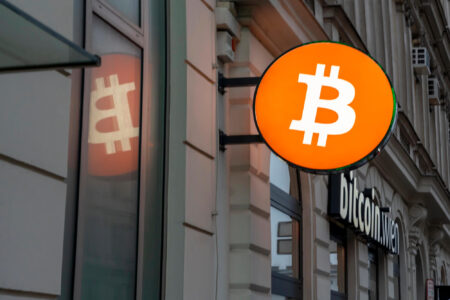
"Operation Choke Point 2.0" describes alleged efforts by regulators from 2022 to 2024 to isolate and bring down the cryptocurrency industry, stifling innovation in the US. Recently, crypto exchange Coinbase stepped forward and criticized the FDIC for advising banks to pause crypto services, calling their actions unconstitutional.
In the recent year, it has come to light that institutions such as the Federal Deposit Insurance Corporation (FDIC), the Federal Reserve (Fed) and the Office of the Comptroller of the Currency (OCC) have issued advisory letters warning banks of regulatory repercussions if they engage in crypto-related activities. This reflects what industry representatives identified as a coordinated attack against the crypto sector - sometimes nicknamed "Operation Choke Point 2.0".
Origins of the choke point operations
Operation Choke Point was launched in 2013 by the US Department of Justice (DoJ) under the Obama administration. The initiatve was aimed to restrict access to banking services for industries deemed "high-risk". Targeted industries included firearms dealers, adult entertainment businesses, drugs businesses, prostitution-related services and short-term loan providers. According to a 2014 report by the US House of Representatives Committee on Oversight and Reform, banks were pressured through regulatory scrutiny and advisory to sever ties to such industries. Regulators used informal warnings, scrutinized transactions, and threatened to hold banks accountable for any perceived risks. The Operation was officially ended in 2017 under the Trump administration. The FDIC settled several lawsuits by pledging to Congress that it would provide additional training for its examiners and stop offering "informal" and "unwritten suggestions" to banks.
NEW: Marc Andreessen explains to Joe Rogan how Operation Chokepoint 2.0 is being used to debank and sanction #Bitcoin companies with no due process pic.twitter.com/E9Fzc9cZ27
— Simply Bitcoin (@SimplyBitcoinTV) November 27, 2024
However, a similar initiative was launched against the crypto industry under the Biden administration. "Operation Choke Point 2.0" describes the coordinated effort by US banking regulators to undermine the crypto industry by restricting access to banking services. This initiative mirrors the original Operation Choke Point, which targeted "high-risk" industries in 2013 but was later discontinued for overstepping legal boundaries. Industry representatives claim that unconstitutional measures were being used to stifle the growth of blockchain technology, forcing many crypto companies to shut down and causing significant financial losses. Examples were the forced shut-downs of crypto-friendly banks such as Signature and Silvergate by the FDIC.




FDIC releases letters after pressured by Coinbase
To get more clarity about about Operation Choke Point 2.0, US crypto exchange Coinbase asked courts to have the FDIC disclose all documents related to the matter. After the agency had initially claimed full compliance with the court order, the FDIC recently revealed additional letters. This followed earlier criticism from Judge Ana C. Reyes in Dec. 2024 against the FDIC for excessive redactions, further fueling concerns over transparency.
We finally got the unredacted OCP 2.0 letters from @FDICgov. It took a Court order but you can now read them for yourself below. They show a coordinated effort to stop a wide variety of crypto activity — everything from basic BTC transactions to more complex offerings. 1/3
— paulgrewal.eth (@iampaulgrewal) January 3, 2025
The FDIC's letter from March 2022 instructs banks to suspend all cryptocurrency-related services. The regulators informally pressured financial institutions to limit exposure to the blockchain sector. While not directly banning crypto, it places pressure on financial institutions to sever ties with the industry - a tactic seen in Operation Choke Point 1.0 in 2013. By advising banks to limit their services to crypto businesses, the FDIC is intensifying the challenges already facing the sector. Following key points were revealed:
- Cautionary approach: Banks were advised to temporarily halt direct involvement in cryptocurrency activities, such as holding crypto assets in custody or facilitating Bitcoin transactions.
- Risk assessment: Banks were encouraged to conduct thorough due diligence and risk assessments before proceeding with any crypto-related ventures.
- Regulatory filings: The FDIC indicated that it had not yet determined the necessary regulatory filings for banks to engage in certain crypto activities and would notify institutions once supervisory expectations were established.