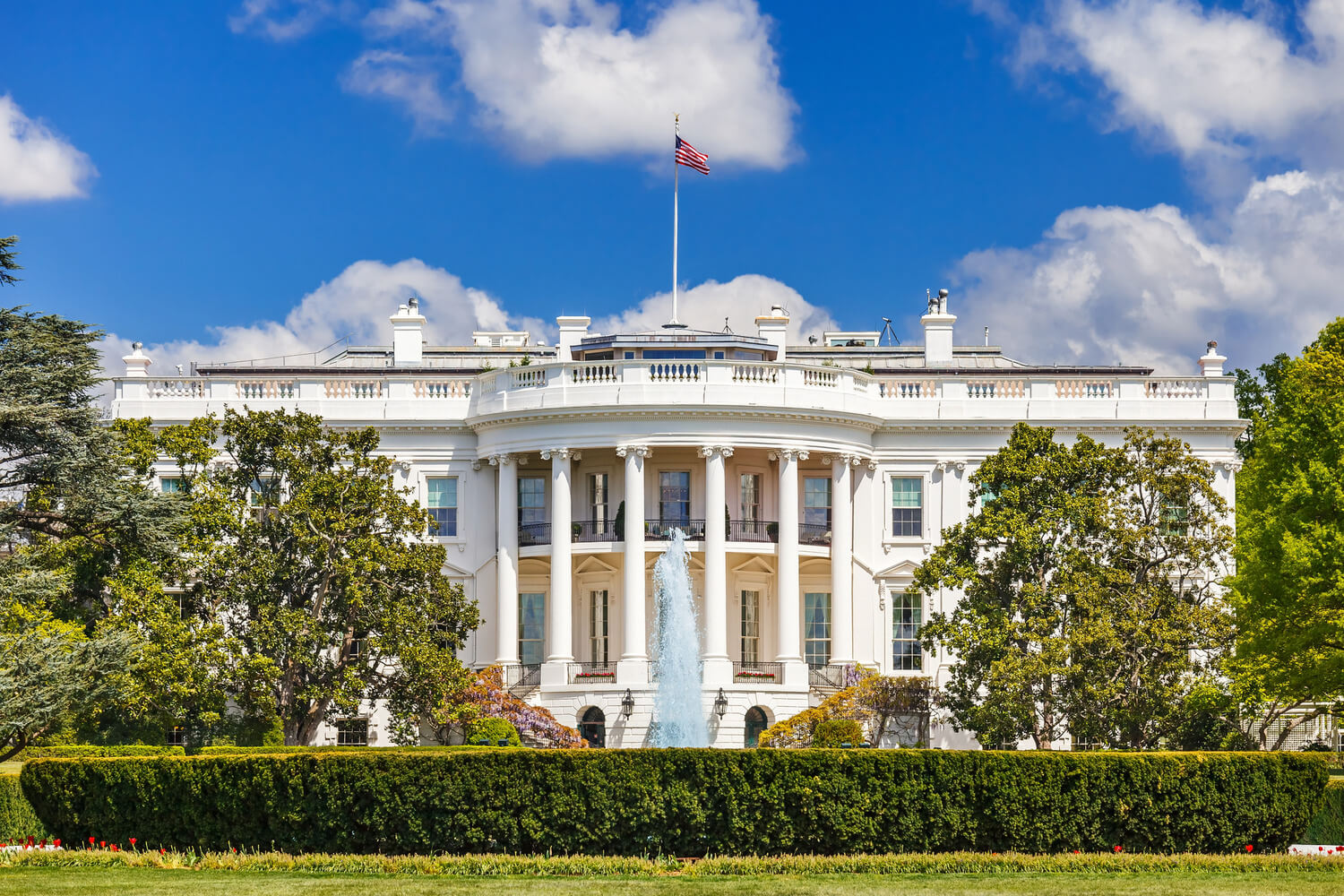
The US House of Representatives passed the Digital Asset Market Clarity Act in July 2025 with a 294-to-134 vote. The law was meant to establish regulatory clarity for the entire crypto market. But the CLARITY Act has stalled in the Senate since then, having triggered a fundamental conflict.
At the center is the question of whether stablecoin issuers may pay yields to their customers or whether this business remains reserved for banks. On January 14, 2026, the Senate Banking Committee postponed its planned markup session indefinitely. Meanwhile, the banking lobby is demanding a complete ban on stablecoin yields through Section 404 of the law. The crypto industry is pushing back. To resolve the conflict, the White House invited both sides to negotiations. Three meetings within 17 days produced no agreement, and the crypto industry is heading toward defeat.
Three meetings, mounting pressure
On February 2, representatives from Coinbase, Circle, Ripple, and Crypto.com met at the White House for the first time. The crypto side presented its position: yields on stablecoins are a key consumer benefit, not a substitute for bank deposits. Eight days later, a second meeting followed. This time, the Bank Policy Institute and the American Bankers Association also sat at the table. Banking representatives submitted a "Principles Document" demanding a complete ban on stablecoin yields. No compromise was reached.
The third meeting on February 19 went differently. The group was smaller: Coinbase, Ripple, and a16z on the crypto side, with banks represented only through trade associations. Patrick Witt, Executive Director of the President's Council for Advisors for Digital Assets, took the lead. Unlike the first two meetings, the White House did not let either side steer the discussion this time. Witt presented his own draft bill, which became the central subject of negotiation.
Passive yields off the table, harsh penalties planned
The outcome clearly favors the banks. Yields on idle stablecoin balances, exactly what platforms like Coinbase offer their customers, will be banned. Now the debate is limited to rewards tied to specific activities. For stablecoin holders who simply hold balances and expect interest, everything changes.
The draft goes further still. SEC, Treasury, and CFTC will receive enforcement authority to oversee the ban on yields for idle balances. Violations carry penalties of $500,000 per offense per day. As a result, the crypto industry faces a new regulatory reality.
Participants from both sides publicly described the meeting as "productive" and "constructive." Behind closed doors, the picture looks different. The crypto industry has effectively lost its central demand: yields on idle balances.
"It felt deeply unfair to me that an industry can come in and engage in regulatory capture to ban their competition." - Brian Armstrong, CEO, Coinbase



Competition protection, not deposit safety
The banking lobby officially justifies its demands by citing the risk of "deposit flight." According to an industry analysis, $6.6 trillion in deposits could flow into stablecoins. For community banks alone, estimates project outflows of $1.3 trillion. Local lending could consequently decline by $850 billion.
Yet participants of the third meeting paint a different picture. A crypto-side representative told independent journalist Eleanor Terrett that banks worry more about competitive pressure than actual deposit flight. The yield gap makes this motivation obvious. Traditional savings accounts at major US banks currently offer 0.1 to 0.5 percent interest. Stablecoin platforms, in contrast, pay 3 to 5 percent. For customers holding several thousand dollars, a tenfold difference in interest rates makes classic savings accounts simply unattractive. Rather than improving their offerings, the banks are choosing the political route and having their competition banned.
End-of-February deadline, outcome uncertain
After the third meeting, banking trade associations must inform their members about the results. They also need to assess whether a compromise on activity-based rewards is possible. Participants consider the end-of-February deadline realistic. Senator Bernie Moreno expects the CLARITY Act to pass "hopefully by April." Ripple CEO Brad Garlinghouse sees an 80 percent chance of passage by the end of April 2026.
Still, the starting position has fundamentally shifted. The crypto industry is no longer negotiating over whether passive yields will be allowed. It is only negotiating over the scope of residual rewards that the banking lobby will concede. For an industry that set out to democratize the financial system, this is a bitter outcome. The banks achieved what they wanted, not through better products, but through political influence.