MakerDAO is a DeFi pioneer, founded in 2015 as a protocol operating on the Ethereum blockchain. At the heart of MakerDAO's ecosystem is the protocol's own stablecoin, DAI. It is considered one of the most successful decentralized lending protocols and home to the leading decentralized dollar stablecoin.
MakerDAO's stablecoin DAI is designed to maintain a 1:1 peg to the US dollar. This stability is achieved through a unique system of smart contracts and collateralized debt positions (CDPs). Users who wish to receive DAI can pledge their crypto as collateral, generating DAI proportional to the value of the pledged assets. MakerDAO's innovative approach to creating a stable cryptocurrency sets it apart from traditional fiat-pegged alternatives, offering a decentralized and transparent solution in the ever-expanding world of DeFi.
A key aspect of MakerDAO is its decentralized governance model. The decision-making process is driven by the community of MKR token holders, who have the authority to vote on proposals and changes to the protocol. This community-driven approach ensures that the platform's parameters, risk management strategies, and overall direction are aligned with the collective vision of its user base. A conversation with Tadeo, Developer Relations Lead at Phoenix Labs, an R&D company specializing in smart contracts for DeFi and contributor to the MakerDAO protocol.
What is DeFi and why should we care?
Decentralized Finance (DeFi) refers to financial services built on top of blockchains. Blockchains allow these services to be transparent, programmable, and most importantly, accessible to everyone.
Money is a sensitive and critical aspect of our lives. In one way or another, we have all experienced the downsides of the current system. Transparent systems allow for less corruption (because everyone can see what's going on) and more security ("anti-fragility"). Programmable money allows these systems to be automated and composable. We can mix and match the best parts of different systems to build new ones. This makes the entire industry far better than if everyone built in isolation.
Finance is a service that costs more the less money you have. The service you receive is also inferior with limited funds, as you simply do not have access to the same features and services as those who are better off financially. DeFi gives everyone the same access at exactly the same cost.
How would you explain MakerDAO to someone new to the blockchain world?
MakerDAO is like a pawnshop on the blockchain: You can deposit your tokens and borrow. But that is not the most exciting part of the system. For me, the most exciting part is that the loans are issued in DAI. DAI is a decentralized stablecoin that anyone can use to receive, hold, invest and pay. Unlike the traditional fiat currency system, you can join the community, influence its development, and have a say in how it is governed.
What are the main differences between a centralized and decentralized stablecoin?
The main difference is where you put your trust. The question is: Do you trust a private system or a public system more? A corporation can make changes instantly, can be super efficient, and can help you recover from your mistakes, like losing your password or sending money to the wrong person. A decentralized organization makes changes by consensus, can consider the needs and wants of a wide range of stakeholders, and allows you to maintain self-sovereignty by not restricting you from doing what you'd like with your property.
There are other differences in how the systems themselves are designed. Most notably how they issue new coins and how they manage to maintain their stability.
Satoshi's original vision was to create alternative money. Why do users still primarily transact in fiat currencies, even on the blockchain?
The Bitcoin white paper says: "A pure peer-to-peer version of electronic money would allow online payments to be sent directly from one party to another without going through a financial institution. Digital signatures provide part of the solution, but the main benefits are lost if a trusted third party is still required to prevent double spending." Satoshi's vision is still valid; an alternative monetary system that does not rely on centralized entities is being built. In my opinion, having users use stablecoins (pegged to fiat currencies) over Bitcoin or Ether is still a success. You can send and receive them without the need for a financial institution, avoiding many of the dangers of the current system.
To illustrate, even now with a very immature system, it is cheaper, faster, and more secure to send stablecoins to someone on another continent than it is to use digital fiat payment systems; there are no hidden fees, cutoff times, or loss of information - as you may see with SWIFT and FedWire problems.
As for why users prefer them, it has to do with their reality. No matter what we do in the digital world, we are permeated by fiat currencies on a daily basis. I live in Europe, so my life is based on the Euro. I tend to see people's use of Bitcoin and Ether as two sides. The first is speculation, similar to how people buy shares in companies or go to the casino. The second is as subscriptions. Instead of paying for services like ChatGPT, Netflix or Microsoft Office, people buy Ether to run software.
Do you think the decentralized stablecoin space is a winner-take-all market or is there room for competing projects?
Similar to the point about centralized vs. decentralized stablecoins, it comes down to user preference. Specific blockchains provide an unique opportunity for each user to choose their specific preferences. This ushers in a wave of multiple stablecoins that satisfy specific needs and desires. I believe that we vote every day by choosing what we spend our money on. When I buy pizza, I'm voting for more pizza to exist in the world. Similarly, you vote with the money you hold and use. If you hold Canadian dollars, you are voting for more Canadian dollars to exist to support the projects funded by Canadian dollars (through government debt). You are voting for those projects to be funded.
If you look at stablecoins, by using and holding a stablecoin, you are increasing the demand for it. Essentially, you're voting for it to succeed. Currently, you have stablecoins that are backed only by crypto assets. Others are backed only by real-world assets (RWAs), and others like DAI that are backed by a mix of both. So by holding DAI, for example, you are voting for the success of a mixed-backed stablecoin.


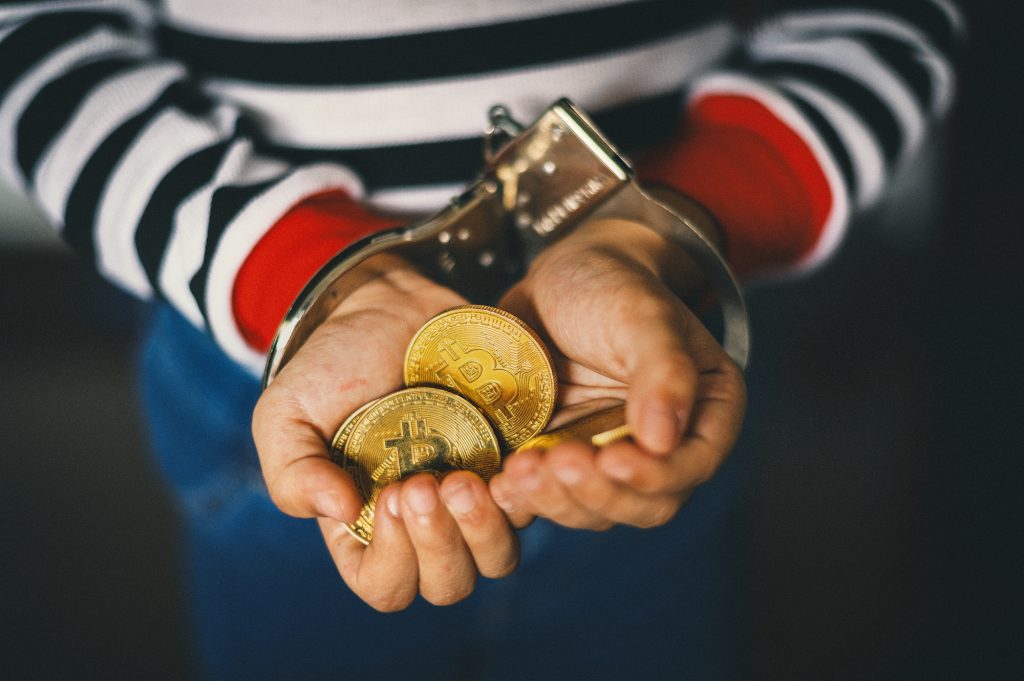
Regulatory developments - especially in the US - have spooked some market participants. What is your view on the future of (un)regulated DeFi?
I think it's hard for regulators, who are primarily country-specific or at least region-specific, to assess a worldwide system. I hope that users will be able to choose the level of regulation under which they want to operate, thus creating a fairer global system. Regulations protect users, but also limit what they can do. DeFi gives users the unique ability to choose the level of freedom and protection they prefer. This happens at every level of DeFi's technology stack. For example, at the wallet level, you can use a central custodian to help you recover your password if you lose it. Alternatively, you can use a self-custodial solution that gives you complete freedom (and complete responsibility) for the transfers you make.
MakerDAO recently added a savings rate for DAI funded by Treasury yields. Isn't this a throwback to traditional banking?
Specifically, the DAI Savings Rate (DSR) is the redistribution of Maker's total revenue to users. Part of that revenue is Treasury interest these days, given the high interest rate, but it also comes from crypto loans. I don't think DeFi should exist in isolation. It should be part of the world, and hopefully a major force in it in the future.
To your point, it is not a regression, it is an innovation. Where else in the traditional banking system can you hold a currency that you can both pay with and earn the risk-free rate of the market? Users today have to make a choice; they have to pay financial professionals or banking platforms for the privilege of accessing instruments such as Treasury bills or ETFs, which themselves are not accepted as payment by merchants. In both cases, the user has no control over them. They are on the balance sheet of the bank or the platform, which also means that the bank ultimately owns them, not the user.
What is needed to make the fusion between DeFi and traditional finance a reality?
It is happening slowly, but I think the main hurdle is regulatory uncertainty. Money is a sensitive subject, so it's understandable that regulators have reacted with fear to the rise of blockchain, crypto and DeFi. As an industry, we can educate regulators and citizens about the aspects of DeFi that we believe will benefit everyone.
What is Spark?
Spark is many things, but it has a single mission: to strengthen the DAI ecosystem. To that end, Spark has SparkLend, a lending platform that allows users to borrow DAI at a predictable rate. It's a fixed rate until a governance vote is taken to change it. Once a vote is taken users will be given at least two weeks notice of any change and notified of the new rate. In essence, Spark is the protocol to earn the DAI Savings Rate (DSR) described above.
Also, Spark is a Maker SubDAO, which is tasked with allocating capital to the ecosystem. In the near future, when the SubDAO launches in 2024, the Spark SubDAO will provide liquidity to the protocols, allowing them to focus entirely on the demand side.

Tadeo leads Developer Relations at Phoenix Labs - an R&D company specialized in smart contracts for DeFi. A contributor to the MakerDAO ecosystem, Tadeo helps boost the capabilities of MakerDAO through the development of Spark, the lending protocol behind the DAI Savings Rate (DSR) and Saving DAI (sDAI), as well as other core components of MakerDAO’s lending facilities.