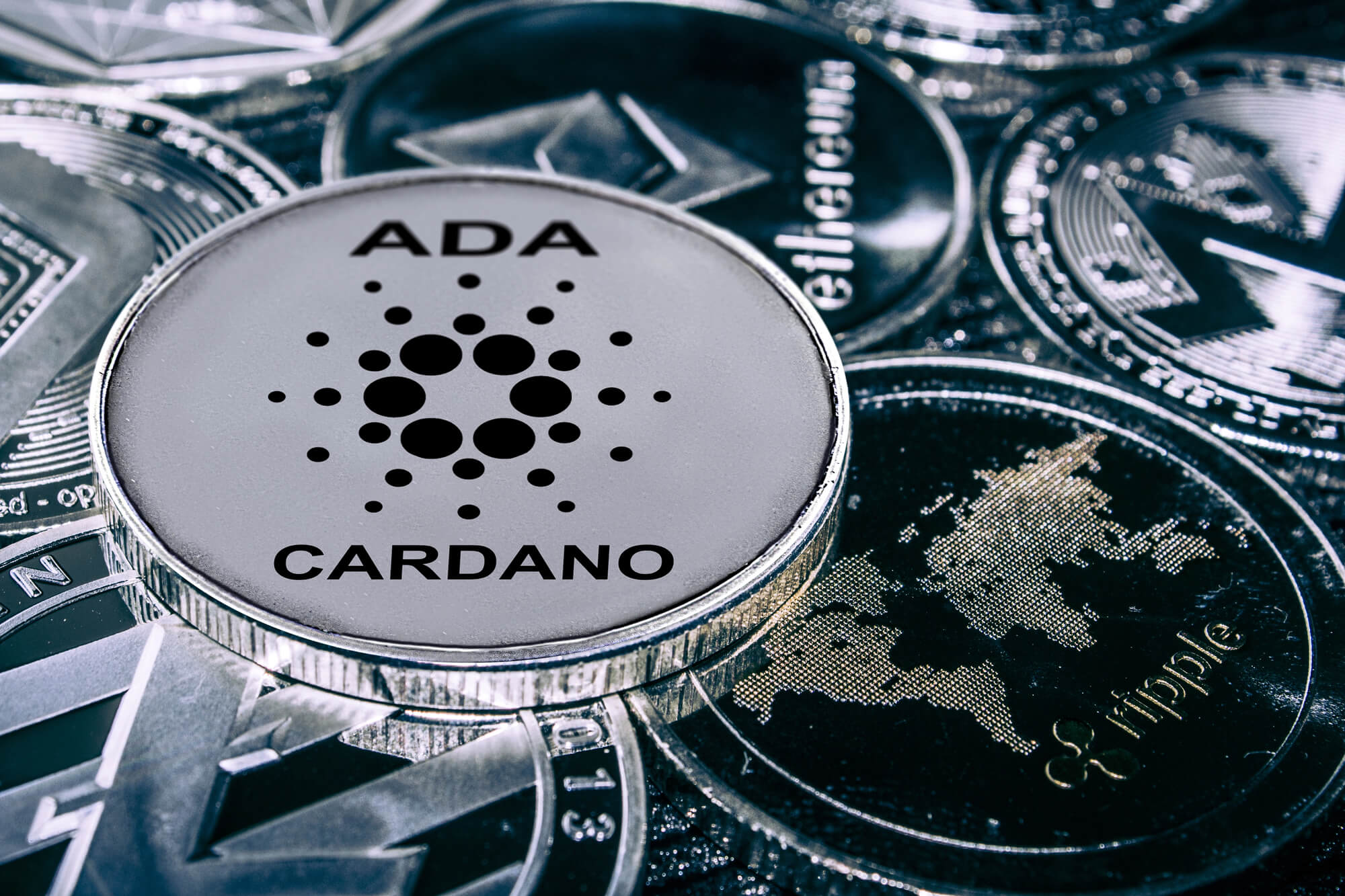
Input Output Group has released the Cardano show BLOCK//45 on YouTube, a produced editorial program for its own ecosystem. The first episode covers the Leios scaling protocol, one day before the planned start of the public Leios testnet.
Input Output Group (IO) is the London-based technology company that has developed and maintained Cardano's core software since 2015. Alongside IO, the Cardano Foundation handles adoption and standards while Emurgo manages business integration, although IO remains the main technical developer. Furthermore, founder Charles Hoskinson still leads the company, and the Cardano mainnet originally went live in 2017. In addition, since the Chang hard fork in 2025, elected Delegated Representatives (DReps) decide on treasury funds through on-chain governance.
Cardano show BLOCK//45: four segments in under 30 minutes
BLOCK//45 is designed as a recurring YouTube production that splits each episode into four segments: Ecosystem Update, Cardano Alpha, Built Here and Community Pulse. Specifically, each episode is meant to stay under 30 minutes. The first episode is titled "Leios Interview with Carlos Lopez De Lara" and puts the Leios scaling protocol at its center. For example, in its press release, IO describes the format as a "broadcast-quality production" and the "definitive editorial voice for Cardano."
The choice of hosts stands out. Community-aligned "Key Opinion Leaders" present the show, rather than IO's own employees. As a result, the company preserves a decentralized appearance, even though the production comes from the main technical developer itself. Notably, the distance between producer and the face of the show is part of the positioning. Moreover, with a recurring broadcast format, IO is building its own channel that ties interpretive authority over the ecosystem more closely to the main developer.
The timing is no coincidence: Leios testnet and Van Rossem hard fork
The launch falls into a phase of intense technical activity across the Cardano stack. On June 20, IO first activated the Van Rossem hard fork, which introduces improvements to the Plutus V3 smart contract system. At the same time, the Leios consensus protocol moves into focus. Specifically, IO planned the public testnet for June 2026 and is targeting the mainnet launch for the fourth quarter. Leios is meant to increase the network's throughput by 10 to 65 times, addressing the scaling bottleneck that has for years counted as a central point of criticism of the Cardano protocol. Consequently, the project ranks among the most important items on this year's roadmap.
That a Leios interview of all things forms the opening episode therefore fits seamlessly into this roadmap. Notably, IO announced the testnet start for one day after the BLOCK//45 launch, which makes the editorial coordination clear. As the interviewee, Carlos Lopez De Lara appears as someone from the immediate environment of the protocol, underscoring the closeness between the show and the development agenda. Thus the show comes across less as a neutral news channel than as an editorial companion to IO's own development work.



Cardano treasury: budget cut by 50 percent, five proposals failed
The buildout of an elaborate communication channel falls into a phase of institutional weakness. IO lowered its funding proposal from the Cardano treasury for 2026 to USD 46.8 million, compared with USD 97.5 million in 2025, which amounts to a decline of roughly 50 percent. In total, the company filed nine treasury proposals targeting protocol maintenance, Leios consensus, scaling, developer experience, smart contracts and Bitcoin DeFi infrastructure.
With the reduced budget, the main developer also shifts the focus in 2026 more strongly toward Bitcoin DeFi infrastructure, and one of the filed proposals targeted this area explicitly. In the DReps vote, however, only four passed: Cardano Upgrades, Technical Collaboration, System Maintenance and Consensus Research. Finally, the remaining five, among them Developer Experience, L2 Scalability and Plutus, stayed below the required threshold of 67 percent.