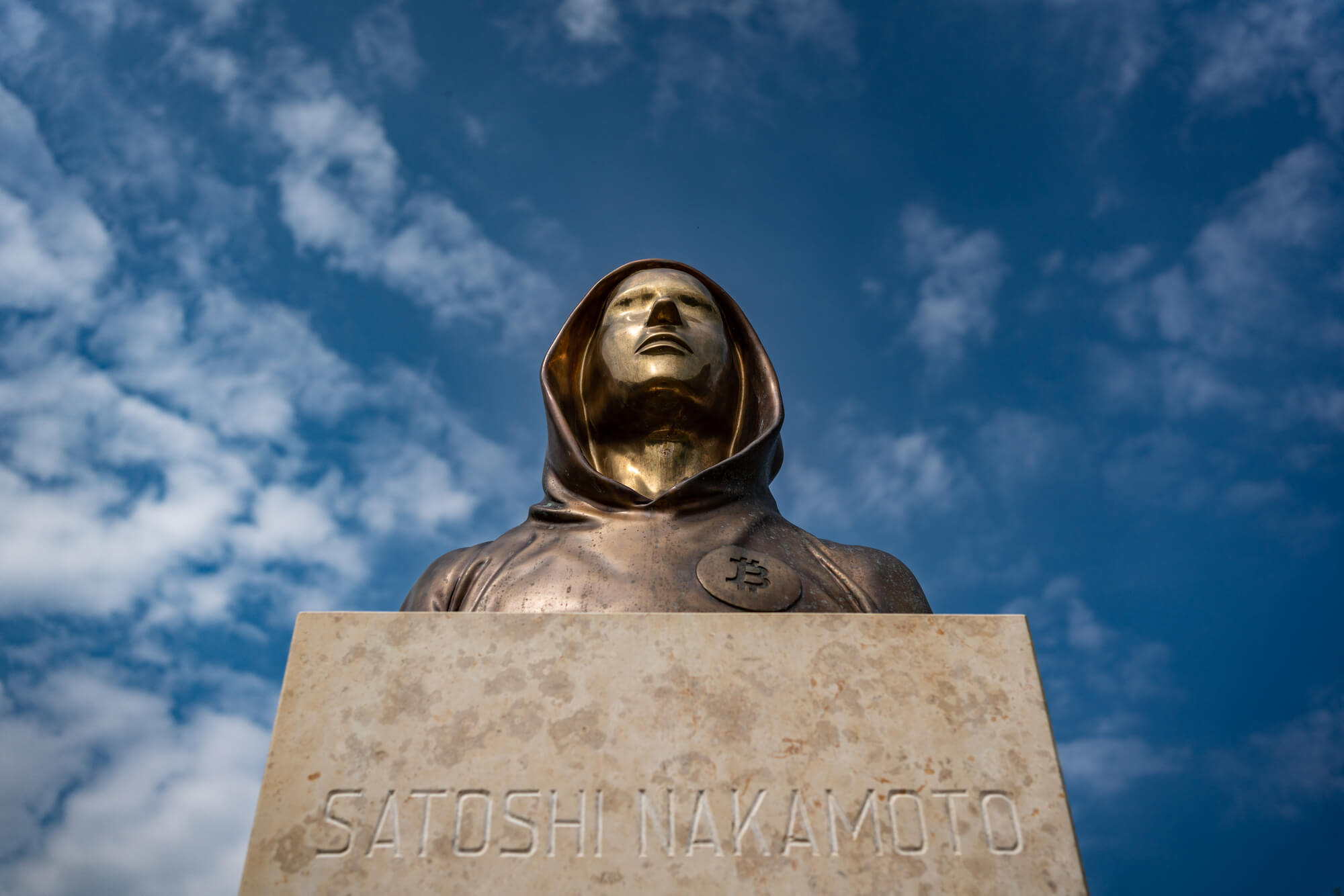
The four-year investigative documentary "Finding Satoshi" releases today. According to an exclusive advance report by The Block, the film names two cypherpunks as co-founders of Bitcoin. Specifically, it identifies the late Hal Finney and cryptographer Len Sassaman.
As a result, the documentary directly contradicts the NYT investigation from two weeks ago. That report had named Blockstream CEO Adam Back as Satoshi Nakamoto. Tooley Entertainment produced the film under directors Matthew Miele and Tucker Tooley. Moreover, the 101-minute feature costs 18 USD. It runs neither in cinemas nor on a streaming platform. Instead, only the producer's website hosts it. Additionally, Coinbase users received 24-hour early access starting on 21 April 2026. Coinbase also co-financed the production. Notably, this detail resonates when assessing the public CEO endorsement.
Investigative team and methodology
The production assembled an unusually high-profile team. Investigative lead William D. Cohan headed the effort. He is an NYT bestselling author and former Wall Street banker. In addition, Tyler Maroney served as lead private investigator. He co-founded Quest Research & Investigations. Meanwhile, forensic behavioural analysis came from Kathleen Puckett. She is a former FBI profiler who helped identify the Unabomber.
More than 20 people from tech and finance appeared on camera. Featured interviewees include PGP inventor Phil Zimmermann and BitTorrent founder Bram Cohen. Furthermore, MicroStrategy founder Michael Saylor and former SEC Chair Gary Gensler appear on screen. Bill Gates and journalist Kara Swisher also feature. According to the filmmakers, the research took four years. However, as The Block notes, they conceded they could not present cryptographic proof. Ultimately, only a signature with Satoshi's private key would settle the question.
Coinbase CEO Brian Armstrong endorsed the film's conclusion. He called it "the most thoughtful treatment of this subject I've ever seen". Moreover, he added: "I suspect you have the right answer." Furthermore, cypherpunk and Bitcoin developer Jameson Lopp told Benzinga the film could "finally put an end" to the identity search.
Why Finney and Sassaman stand at the centre
The documentary's investigators point to two candidates with close ties to the cypherpunk movement. Hal Finney was a Caltech graduate and first employee of PGP Corporation. In 2004, he invented the Reusable Proof-of-Work system. Consequently, many consider it the direct precursor to Bitcoin's mining mechanism. On 11 January 2009, he posted the famous tweet "Running bitcoin". One day later, he received the first Bitcoin transaction in history. Satoshi Nakamoto sent him 10 BTC directly.
Running bitcoin
— halfin (@halfin) January 11, 2009
Len Sassaman joined the Internet Engineering Task Force at age 18. Later, he worked on PGP encryption at Network Associates. Subsequently, he conducted research in Belgium under cryptographer Bart Preneel at KU Leuven. Previously, he had studied P2P networks under David Chaum, the pioneer of digital currencies. In addition, both Finney and Sassaman developed remailer technology. Significantly, this represents a rare overlap of skills directly relevant to Bitcoin's architecture.
For both candidates, however, documented counter-evidence exists. In 2014, Forbes commissioned a forensic stylometric analysis by Juola & Associates. The study concluded that Finney's writing style matched Satoshi's texts most closely. Nevertheless, Jameson Lopp demonstrated a key inconsistency. He showed Satoshi was executing transactions while Finney ran a 10-mile race in Santa Barbara. For Sassaman, a 2015 Satoshi post complicates matters. Notably, that date falls four years after his suicide in Leuven. Still, the authenticity of that post remains disputed. Therefore, this very gap may be what the co-creator thesis attempts to explain.


Documentaries remain divided over the identity behind Satoshi Nakamoto
"Finding Satoshi" is not the first attempt to settle the identity question on film. On 8 October 2024, HBO released "Money Electric: The Bitcoin Mystery". Director Cullen Hoback named Peter Todd as Satoshi. However, Todd immediately denied the claim. In addition, many criticised the documentary for lacking cryptographic proof. Furthermore, Todd was only 19 to 20 years old at the time of the whitepaper.
Two weeks before the "Finding Satoshi" release, the most substantial journalistic investigation appeared. On 8 April 2026, NYT reporter John Carreyrou published a 12,000-word piece. Known for his Theranos exposé, he named Adam Back as Satoshi Nakamoto. Back denied the attribution. Carreyrou based his case on three independent stylometric analyses. The studies covered cypherpunk mailing lists between 1992 and 2008. However, his own linguist Florian Cafiero described the results as "not conclusive". Moreover, Cafiero placed Hal Finney almost on par with Back. On the NYT Daily podcast, Carreyrou nonetheless stated a firm position. He said he was "somewhere between 99.5 and 100 percent certain" about the identification.
Satoshi himself disappeared from public view in April 2011. His wallets hold an estimated 1 to 1.5 million BTC. Indeed, these coins have remained untouched for 17 years. At the current price, they correspond to roughly 80 billion USD. Moreover, the Bitcoin whitepaper cites Adam Back's Hashcash (1997) by name. Therefore, Back's role as at least an intellectual forerunner remains undisputed. Whether Finney and Sassaman together were the originators, as the documentary argues, remains unresolved. Alternatively, Back alone may stand behind the pseudonym. Ultimately, without a private-key signature, only the weighing of circumstantial evidence remains.