
The US Department of Justice (DOJ) has launched a formal restitution process for victims of the OneCoin fraud. Individuals who invested in the fraudulent cryptocurrency between 2014 and 2019 and suffered a net loss can now file claims.
These funds originate from criminal forfeiture proceeds that the DOJ collected during its prosecution of OneCoin Ltd. OneCoin remains one of the largest crypto fraud cases in history. In total, the scheme destroyed more than $4 billion in investor funds worldwide. Affected individuals can submit petition forms until June 30, 2026, to claim a share of the seized assets.
How the OneCoin restitution process works
The DOJ is using the so-called remission process. Seized assets declared forfeit during criminal proceedings flow back to verified victims. Furthermore, the US District Court in the Southern District of New York oversees the case. Kroll Settlement Administration LLC serves as the claims administrator.
There are no fees for claimants. Specifically, affected individuals must prove that they purchased OneCoin tokens and suffered a net loss. Moreover, the DOJ deducts any prior payouts or recovered collateral from the claimed damages. Petition forms are available online at onecoinremission.com. Alternatively, victims can request forms by phone at 1-833-421-9748 or by mail.
However, there is no guarantee of compensation. Payout amounts depend on the available forfeiture funds and the number of claims filed. Total damages exceed $4 billion, while the seized funds represent only a fraction of that sum. As a result, victims will likely recover only a small portion of their losses. This same asymmetry runs through numerous crypto fraud cases where perpetrators successfully concealed funds.
The largest crypto fraud before FTX
Ruja Ignatova and Karl Sebastian Greenwood founded OneCoin Ltd. in 2014 in Sofia, Bulgaria. Together, they built a global multi-level marketing network that distributed the alleged cryptocurrency. In reality, OneCoin had no functioning blockchain. Instead, the issued tokens were worthless. The entire business model relied on a classic Ponzi scheme, where new investor funds paid earlier investors.
This network operated across borders and recruited distributors in dozens of countries. Victims received supposed education packages that included access to OneCoin tokens - a facade of financial education and crypto innovation. In addition, the MLM model ensured that early participants profited at the expense of later investors. Between 2014 and 2019, OneCoin collected billions through this structure. Unlike FTX, there was never a functioning product. Not even a blockchain ran in the background.



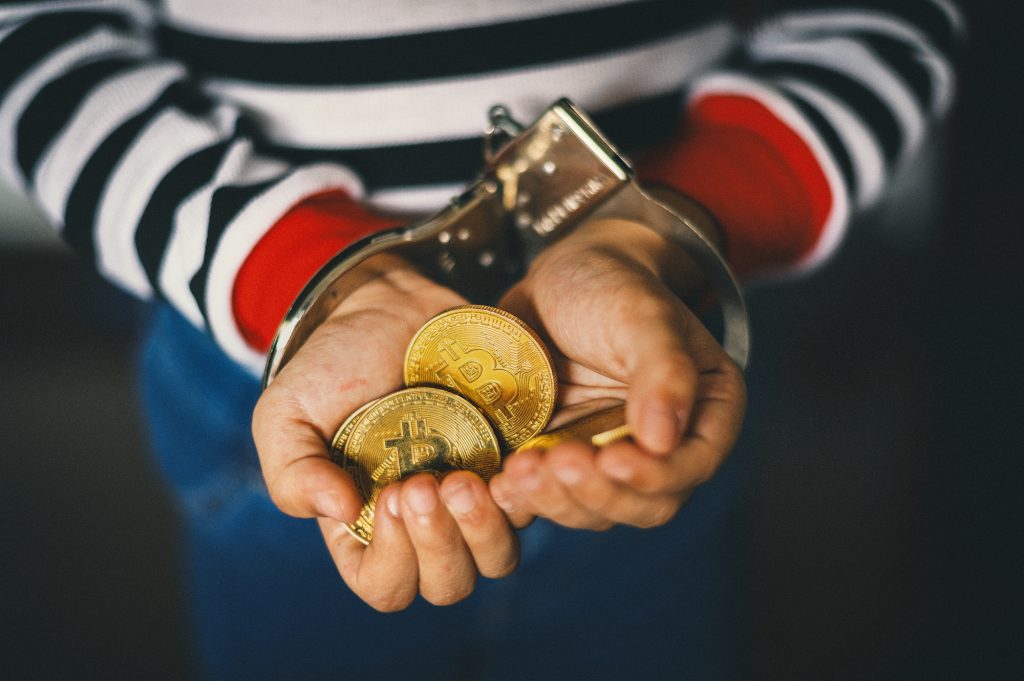
Criminal prosecution and the fugitive "Cryptoqueen"
Legal proceedings have stretched over years. Co-founder Greenwood pleaded guilty. In September 2023, the court in the Southern District of New York sentenced him to 20 years in prison. Furthermore, the court issued a forfeiture order for $300 million - the amount Greenwood personally extracted from the fraud.
Meanwhile, the principal offender Ignatova, known internationally as the "Cryptoqueen," has been a fugitive since 2017. That year, she left Bulgaria for Greece and disappeared. There has been no trace of her since. In June 2022, the FBI placed her on its Ten Most Wanted Fugitives list. As a consequence, the central figure behind the billion-dollar fraud remains unpunished to this day.
The contrast to other major crypto fraud cases is striking. In the FTX bankruptcy proceedings, creditors received their deposits back in full. OneCoin victims face a fundamentally different situation: the available restitution funds cover only a tiny fraction of the damages. Consequently, twelve years passed between the start of the fraud in 2014 and the opening of the restitution process in 2026.
Crypto fraud continues to grow
According to FBI data, crypto-related complaints in the US recently rose to more than 181,000 cases per year. Total losses amounted to $11.4 billion. This represents a 22% increase compared to the prior year. What often goes unnoticed is that law enforcement structurally lags behind the growth of crypto crime. OneCoin illustrates how slowly justice and restitution proceed in cross-border fraud cases. These victims invested over a decade ago. Only now can they formally file claims. Even then, it remains unclear what share of their losses they will actually recover.
For the DOJ, the process nonetheless sends a signal. The agency demonstrates that it can return seized funds to victims even in complex international crypto fraud cases. Affected individuals have until June 30, 2026, to submit their claims.