
The 21st EU sanctions package against Russia bars EU citizens from all transactions with HTX and 17 further crypto service providers.


Since 2018, the editorial team at Crypto Valley Journal has been reporting from Zug - the heart of Switzerland’s Crypto Valley - on Bitcoin, cryptocurrency, blockchain, and regulatory developments in digital assets. Behind the publication’s collective editorial voice is a team of writers with backgrounds in financial markets, law, and technology.
The 21st EU sanctions package against Russia bars EU citizens from all transactions with HTX and 17 further crypto service providers.

What has been happening this week in the world of blockchain and cryptocurrencies? Current events and background reports in our weekly review.
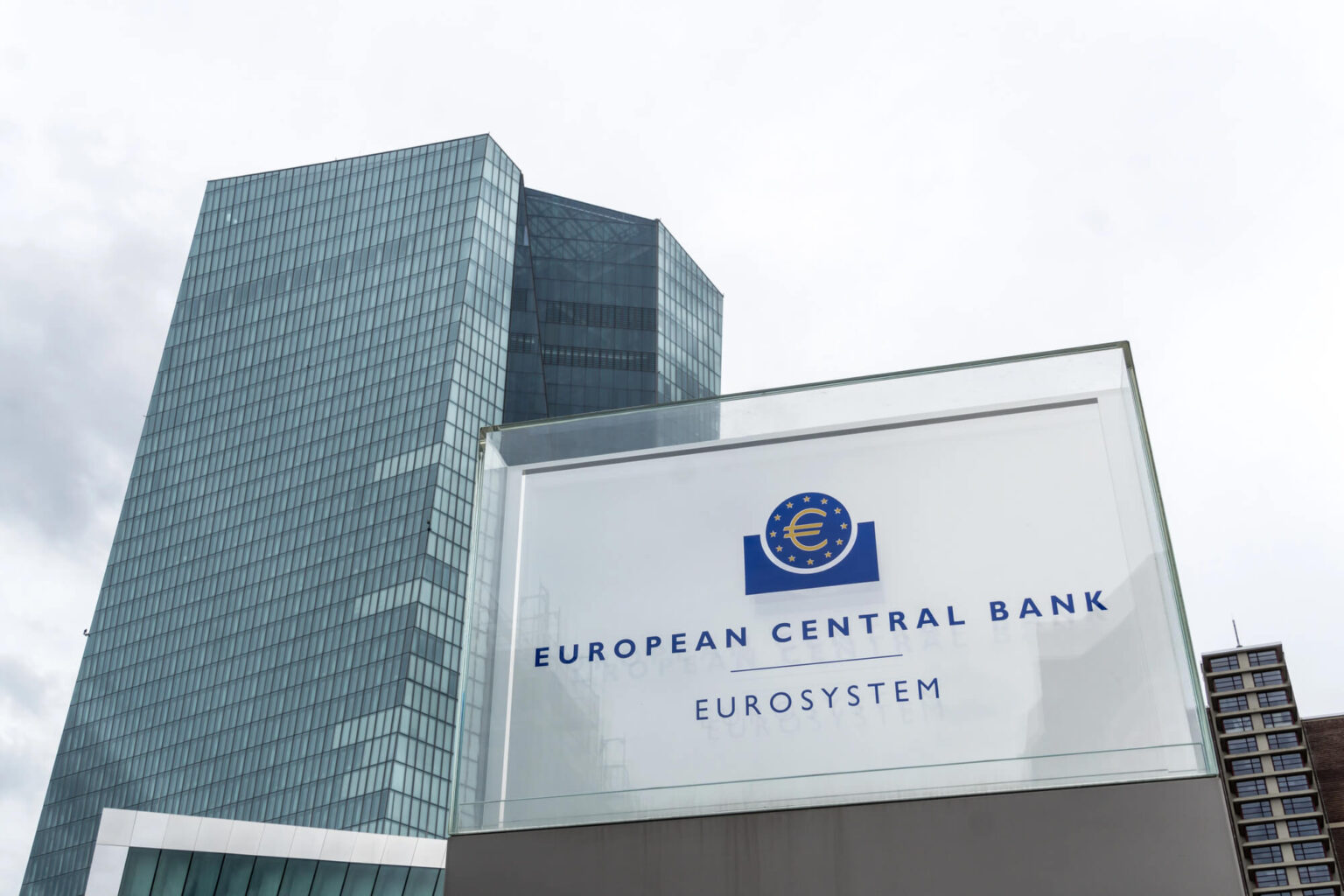
The 21st EU sanctions package hits Russia and can now block the crypto services of entire third countries for the first time.

Kazakhstan’s crypto tax exemption by presidential decree makes all trading income on licensed, regulated platforms completely tax-free.

Nine institutions including BlackRock and Coinbase launch the Bitcoin Security Consortium, pledging USD 15 million for Bitcoin’s security.
BitMEX shuts down on 23 September 2026 after 11 years, following a sale process that produced no buyer for the exchange.

BancaStato launches regulated crypto trading: buy Bitcoin, Ethereum, Litecoin and Solana directly in e-banking via Sygnum and Avaloq.

Bitcoin overtakes gold in the US: per River’s report, 49.6 million Americans own Bitcoin, while just 28.8 million still hold gold.
S&P and Pantera launch the S&P Pantera Index, a crypto benchmark of 18 constituents that excludes Bitcoin for lack of protocol revenue.
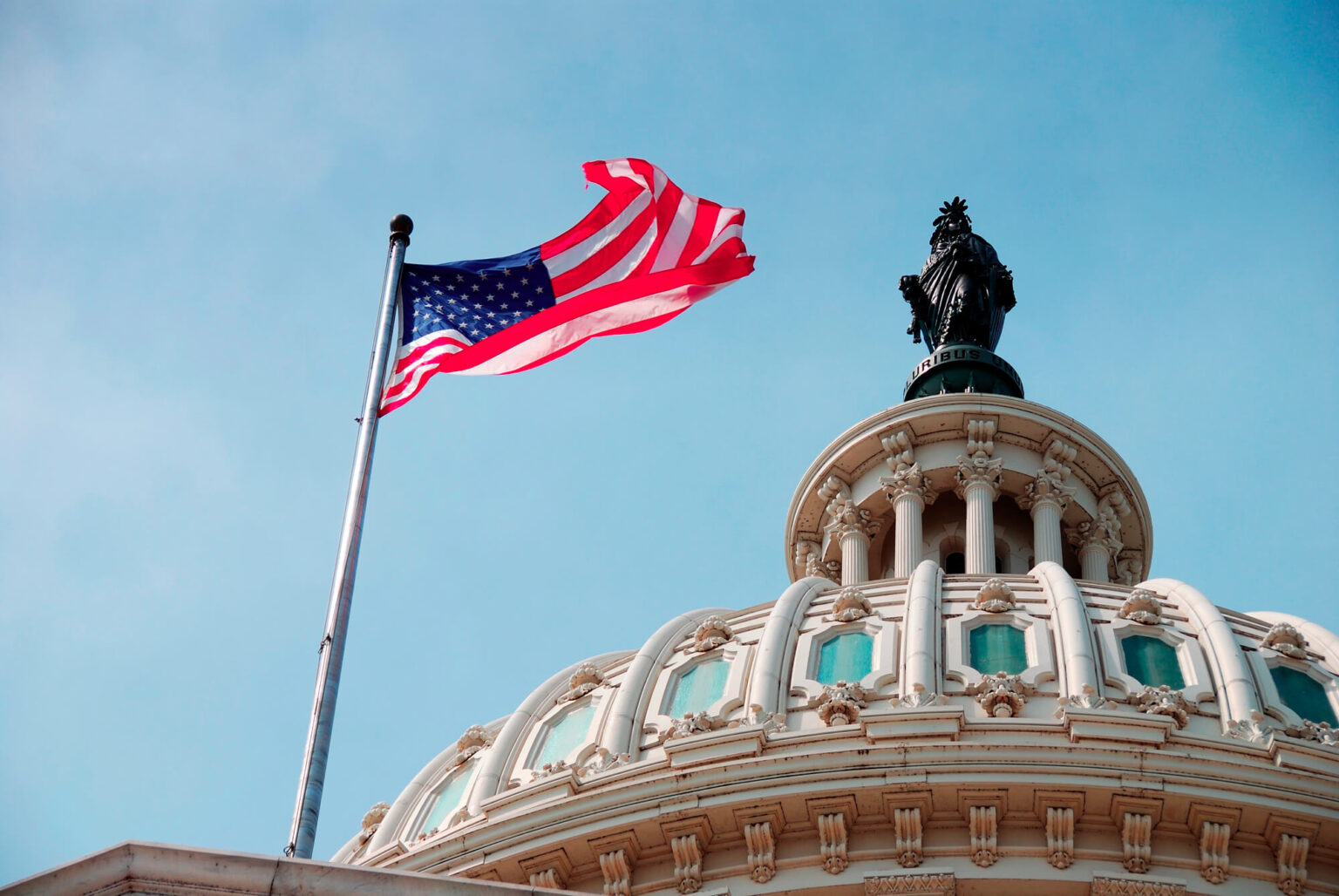
Trump agrees to ethics clause in the Clarity Act: It prohibits public officials from issuing crypto and assigns enforcement to the DOJ.

Bitcoin holds the 200-week moving average as Wall Street embraces blockchain: DTCC tokenises securities, while Visa and Stripe push ahead with stablecoins.

Falling qubit estimates bring the quantum computer threat to Bitcoin closer and spark a debate over freezing Satoshi’s coins.
What has been happening this week in the world of blockchain and cryptocurrencies? Current events and background reports in our weekly review.

Citadel Securities takes a USD 400 million stake in Crypto.com at a USD 20 billion valuation, the exchange’s first institutional funding round.

olvo Group is testing a cryptocurrency on a closed blockchain network to settle payments with its material and transport suppliers.
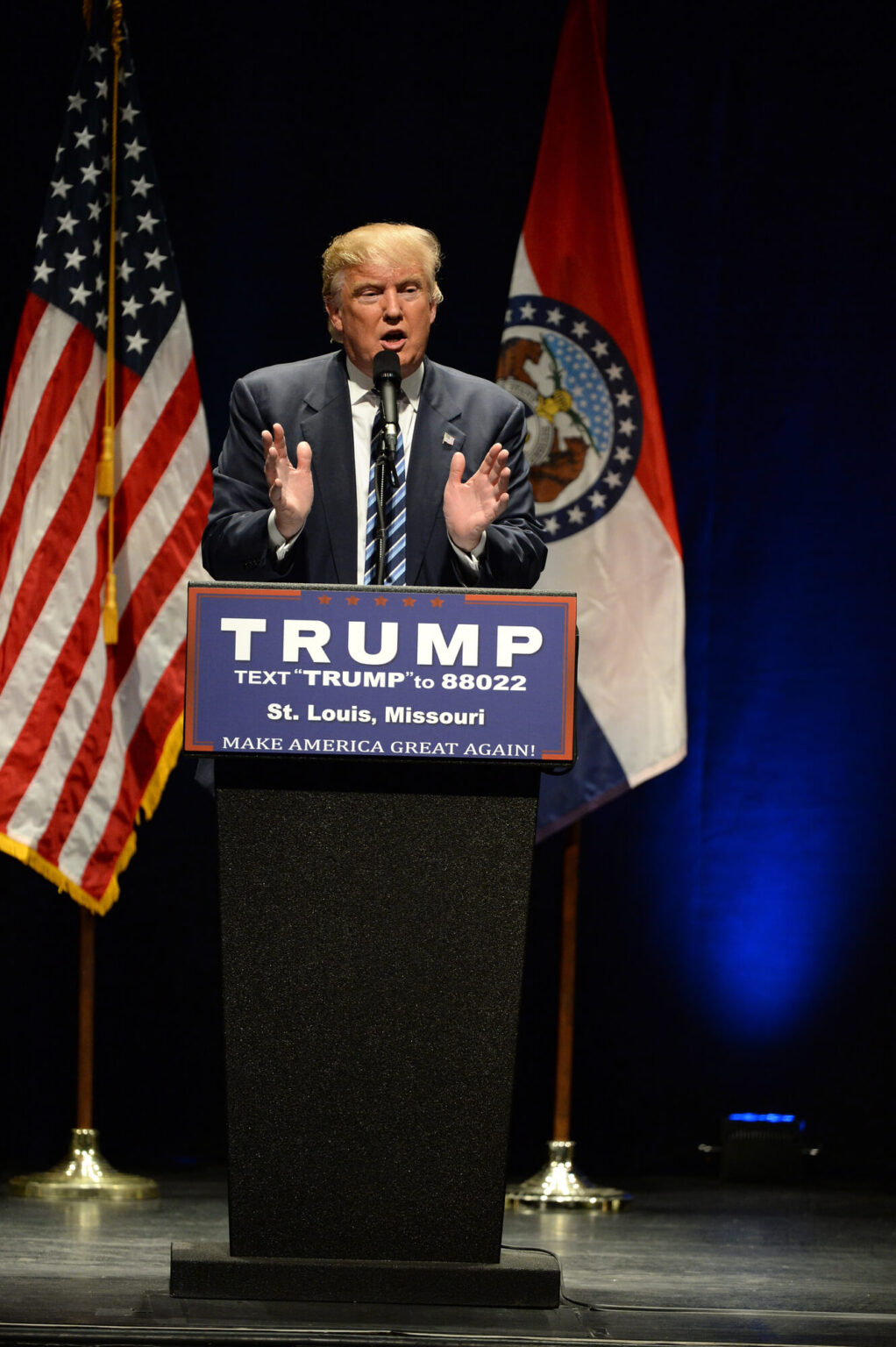
Trump meets Republican senators to resolve the Clarity Act ethics clause, the last hurdle before a possible Senate vote on the crypto bill.

The privacy coins sector grew from USD 6.2 billion to USD 30 billion in one year, while institutions make privacy a precondition for moving on-chain.

Automated market makers manage liquidity pools like rule-based portfolios, with direct consequences for impermanent loss and hedging.