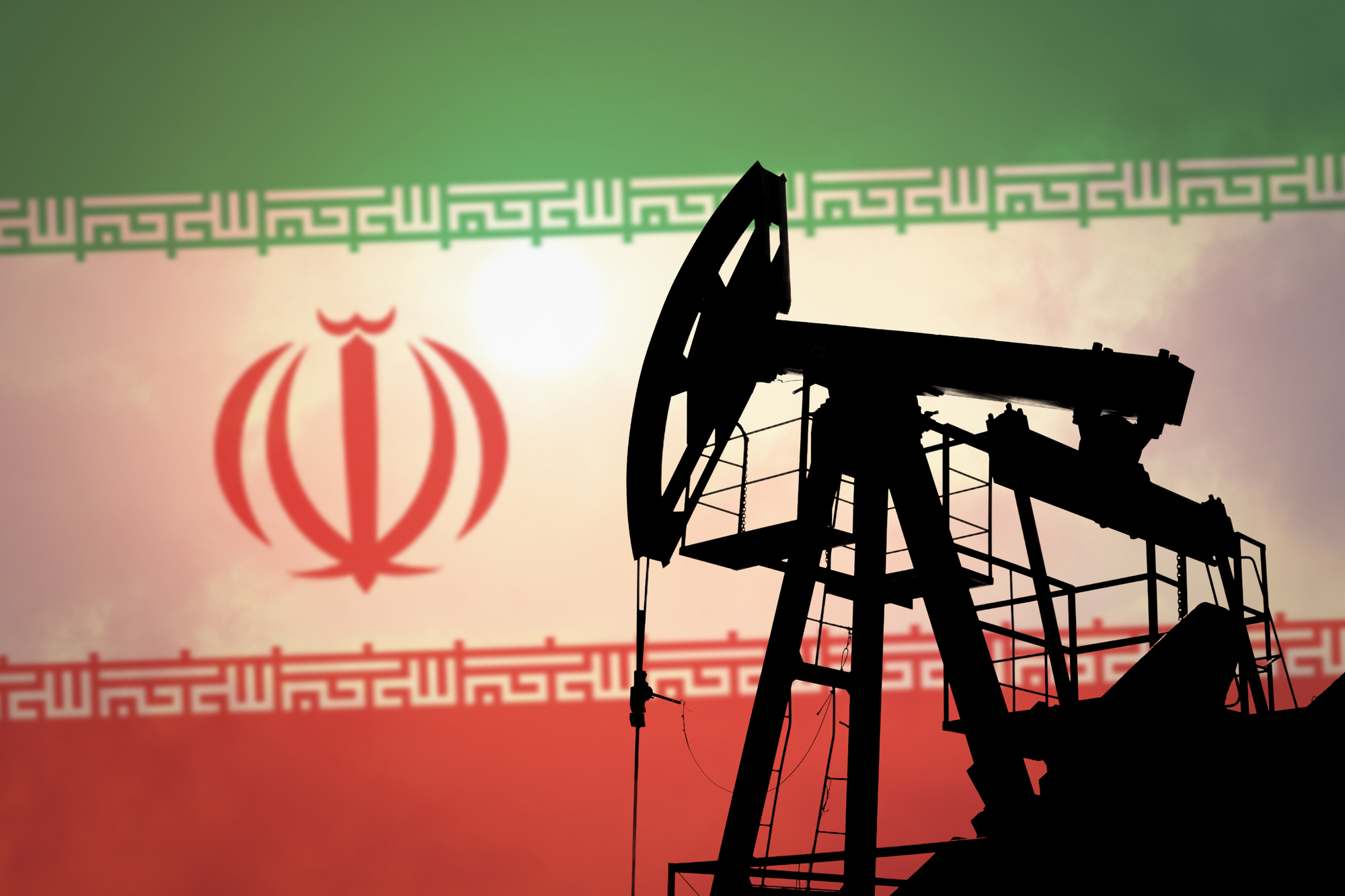
Iran's economic problems have forced the government to look for alternative solutions. Although the country does not recognize cryptocurrencies as legal tender, it seems to particularly like the possibilities of Bitcoin transactions.
The United States has imposed a near-total economic embargo on Iran, which includes a ban on all imports and exports - including those from the country's oil, banking and shipping sectors. Given its pariah status, Iran wants to turn to blockchain to keep some business sectors open.
The government expects Bitcoin and crypto mining to become a major industry in the country. The overall adoption of cryptocurrencies could expand significantly as Iran's tax authority recently called for a legal framework for crypto trading activities. To this end, the country has not only legalized the mining of cryptocurrencies, but has also committed to allocating a portion of oil and natural gas resources to miners who will invest in the country.
New industry under strict control
Iran started legalizing Bitcoin mining in 2019, and accordingly issued over 1,000 licenses starting January 2020. The government seems keen on localizing its crypto-mining sector and licensing it as a commercial activity. Parliament is even considering a bill that would ban the use of "foreign-mined" cryptocurrencies for payments in the country.
The Iranian Students News Agency reported that the government is directing Bitcoin mined in the country to special accounts. These funds are used to finance imports and other sanctioned activities, according to the report. The news agency cites a mandate from the Central Bank of Iran and the Ministry of Energy. According to the report, both authorities require legally registered miners to sell their freshly mined Bitcoins to the central bank. The move is reminiscent of initiatives by countries like Venezuela, which are subject to sanctions and have also turned to cryptocurrencies as a circumvention tactic.
Converting oil into cryptocurrencies
Iran has recognized that Bitcoin mining represents an attractive opportunity for its’ sanctions-hit economy. The country suffers from a lack of foreign currency, but has a surplus of oil and natural gas. Thus, the it uses its mineral wealth to generate electrical energy. This allows Iran to turn its biggest resource into useful capital, offsetting some of the revenue lost due to US and EU economic sanctions.
Bitcoin and other cryptocurrency networks are generated and kept running with electricity. Bitcoin miners operate specialized computers that process and add new transactions to the blockchain. In return, miners are rewarded with Bitcoin (BTC) - both through transaction fees and by minting new Bitcoin. The mining process converts energy into cryptocurrencies. Licensing ensures that miners continue to enjoy Iran's relatively cheap electricity. According to Mehr News Agency, they pay $0.11 per kilowatt-hour (kWh), with fees rising to $0.46 per kWh during peak season (June to September).
Nearly 5% of all newly mined Bitcoins originate from Iran
According to blockchain analytics firm Elliptic, about 4.5% of all Bitcoin mined globally was created in Iran between January and April this year. This puts the country in the top 10 in the world, while China ranked first with nearly 70% before the government crackdown.
https://www.youtube.com/watch?v=ocyu60-PUOA
The prospect of cheap electricity for Bitcoin mining has attracted significant investment from abroad, especially China. Several Chinese companies have obtained mining licenses and set up shop in the country.
Illegal mining activities threaten power grid
Tehran, the Iranian capital, and several other major cities have faced power outages several times a day in recent months. Authorities blamed this on a natural gas shortage, the ongoing drought that has crippled the country's hydropower plants - and, increasingly, Bitcoin mining. Much of the energy consumption apparently came from illegal miners.
This has led to a nationwide crackdown on them. Licensed Bitcoin farms have also been affected by temporary power cuts. With temperatures rising in the country, power consumption has been so high in recent weeks that some medical facilities have even had difficulty running their cold storage for Covid-19 vaccines. Once the moratorium is lifted in September, only authorized miners will be allowed to resume operations.
The Iranian government claimed that 85% of Bitcoin mining in the country was conducted illegally. The Tavanir power company said it has seized more than 212,000 units of illegal Bitcoin miners over the past 12 months. The machines are said to have caused losses of around $4 billion to the energy network. It is worth noting that the illegal miners consumed about 2,000 to 3,000 MW daily, which is roughly half of Tehran city's daily electricity consumption.
Iranian officials are determined to solve their problems with illegal cryptocurrency mining. To that end, the Intelligence Ministry resorted to an unprecedented move - recruiting spies. Their mission: to track down and seize computer farms mining digital assets without permission. The ministry promised an attractive reward for those who uncovered such farms.