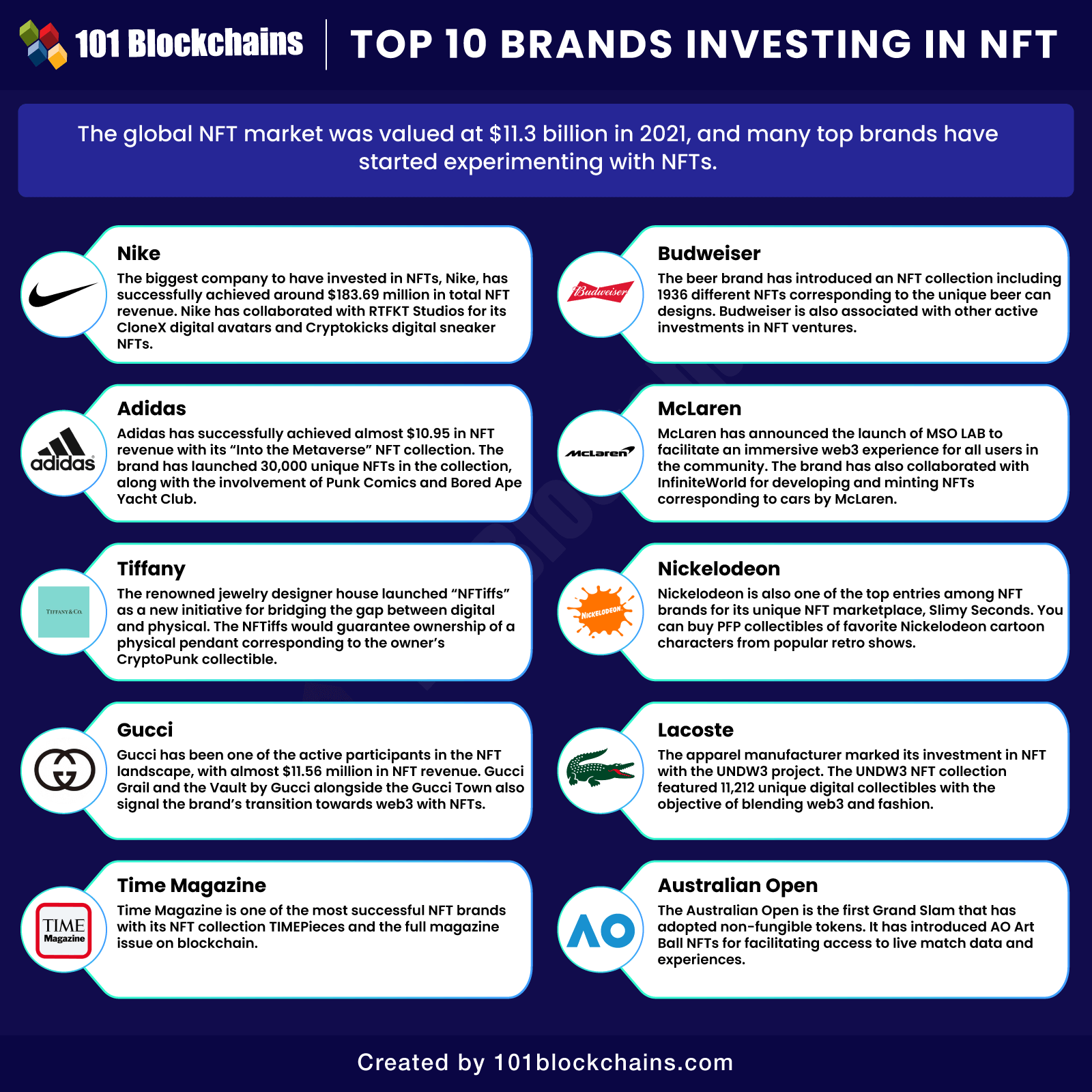
Larger brand names can take advantage of blockchain technology and non-fungible tokens (NFTs) built on top of it in different ways. A look at the first members of the Metaverse and their initiatives in the crypto world.
Increasingly, well-known brands are exploring the Metaverse with their own NFTs. Commercial blockchain projects such as Polygon, Flow, or Solana are partnering with companies and, in turn, giving them access to new technologies to interact with their customers as well as their fans. These blockchains shine with lower transaction fees as well as independent NFT ecosystems - an attractive environment for established brands.
NFTs: valuable tools for brands
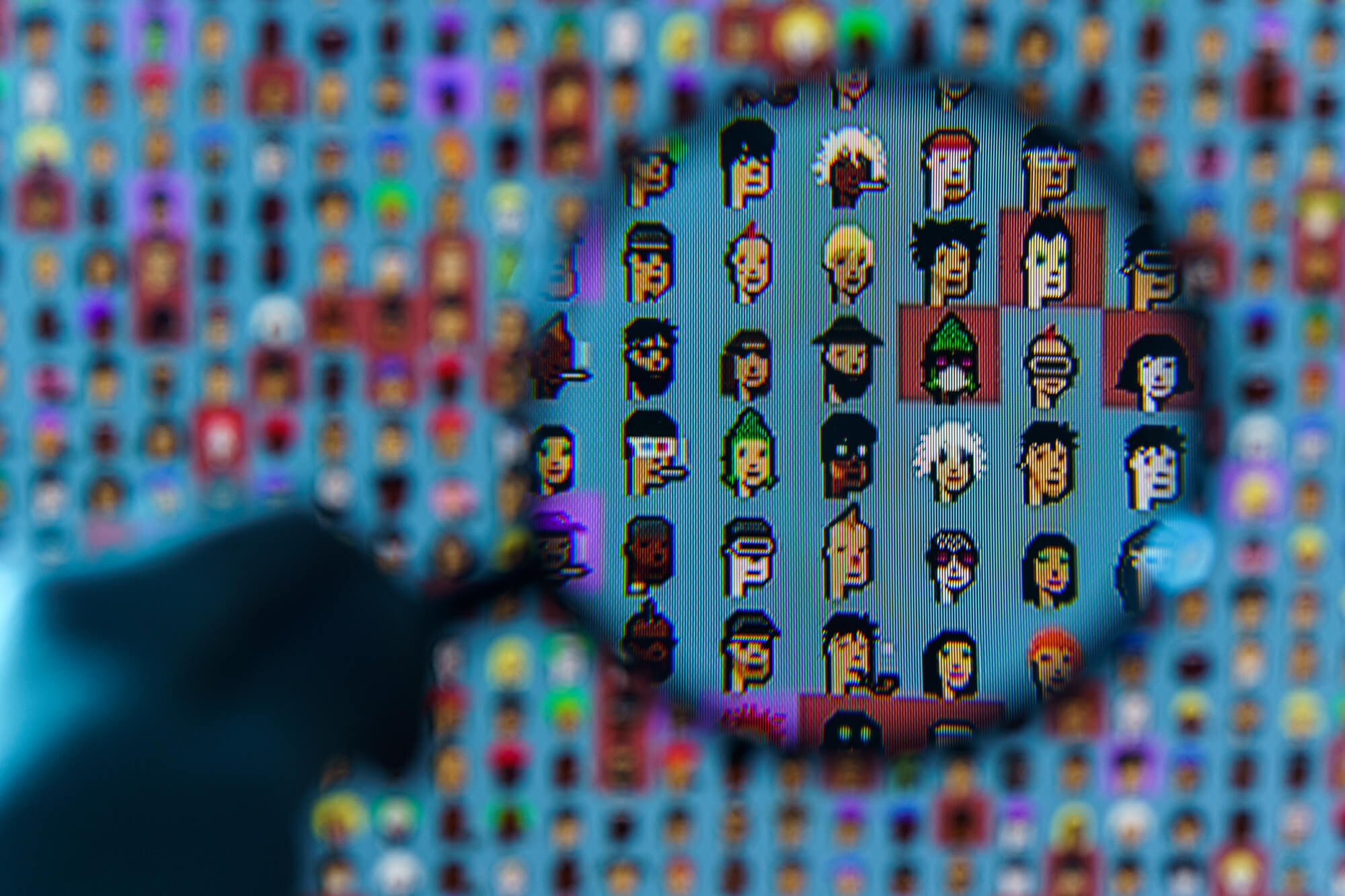
Non-fungible tokens (NFTs) are digital assets that use blockchain technology to certify ownership and authenticity. Unlike traditional cryptocurrencies - which are exchangeable and have no distinctive properties - NFTs are unique items such as works of art, pieces of music or videos. This type of token can be bought, sold and traded like physical collectibles. NFTs contain a unique identifier stored on a blockchain that provides a permanent and transparent proof of ownership that cannot be duplicated or altered.
Brands can benefit from NFTs in several ways. By creating and selling non-fungible tokens, companies can monetize their intellectual property, including logos, designs and trademarks. Additionally, they can tap into a new market of collectors and investors. NFTs can also be used to enhance the customer experience by offering holders of certain NFTs exclusive access to events, products or services.
In addition, brands can use NFTs to reward loyal customers or drive engagement by offering NFTs as giveaways in social media campaigns or other promotions. Overall, NFTs offer a new and exciting way for ventures to connect with their audience, demonstrate their creativity and drive revenue.
Well-known names in the Metaverse
Starbucks was one of the first companies to integrate Web3 technology and NFTs with a comprehensive customer loyalty program. Starbucks Odyssey was launched as a trial for the first Starbucks Rewards members and partners (employees) in the US. The marketing campaign gives loyal customers access to "exciting new benefits and experiences" in the form of interactive activities ("Journeys"). Upon completion of one of these Journeys, Rewards members receive earnable NFTs and Odyssey points that give them access to new exclusive benefits. Similar programs were launched by major label Warner Music Group with its own music platform, and National Geographic celebrated its 135th anniversary with an NFT collection.
Another approach: Fast-food giant McDonalds filed ten trademark applications with the U.S. Patent and Trademark Office (USPTO) in 2022 covering both McDonald's and McCafé for a virtual restaurant. With more time being spent online in general, the restaurant chain is banking on teens being able to converse and order their food home in a virtual environment. Delivered are the orders in real life.
Luxury brands combine the digital with physical items
Various brands secure naming and usage rights for the digital advance. In addition to apps, YvesSaintLaurent has also registered virtual makeup and other cosmetics in the trademark register. An initiative by Fiji Water Company reveals that they are not only venturing into the Metaverse, but are also distributing avatars and digital collection tokens in the form of NFTs. Prada is also linking a physical product to its own collection. Porsche, for example, also promises exclusive experiences, haptic souvenirs, and participation in virtual projects as well as real accessories for Porsche vehicles.