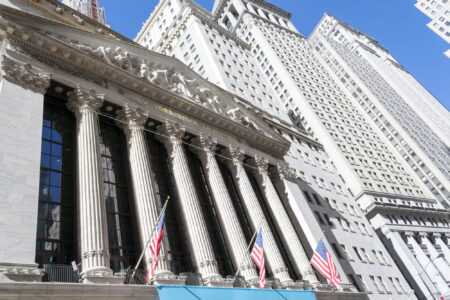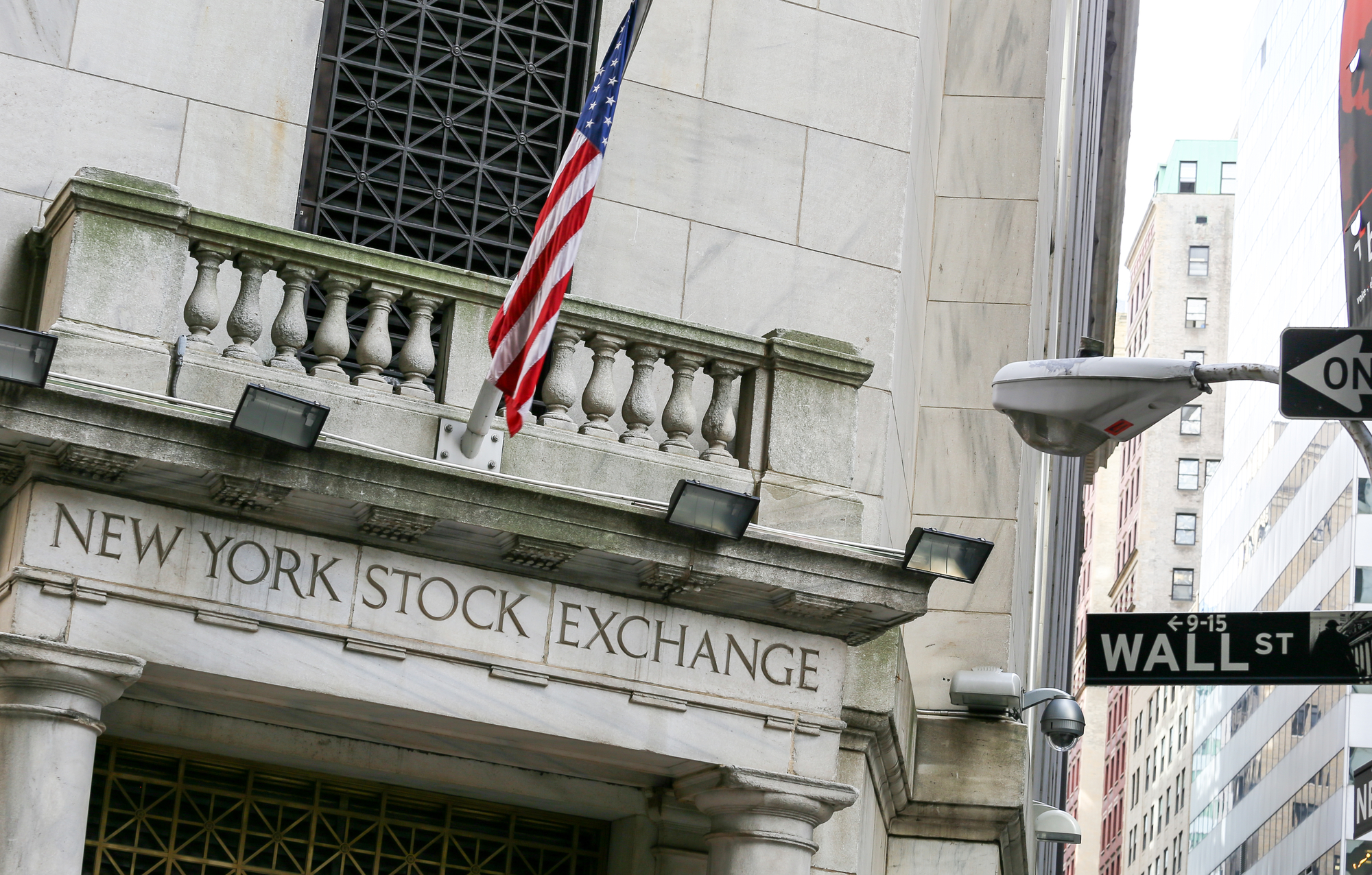
The New York Stock Exchange (NYSE) is developing a blockchain-based trading platform for tokenized securities. This will be available around the clock and enable instant settlement. The NYSE, part of Intercontinental Exchange (ICE), plans to launch subject to regulatory approvals.
The system combines the NYSE's proprietary Pillar matching engine with blockchain-based post-trade systems. It supports multiple blockchains for settlement and custody as well as stablecoin-based financing. Tokenized shareholders receive the same dividend and voting rights as traditional shareholders. This is according to a press release.
Traditional exchange infrastructure meets blockchain
The new platform enables trading of tokenized stocks that are fungible with traditionally issued securities. It also supports tokens natively issued as digital securities. Orders can be placed in dollar amounts. Fractional shares are also tradable. The architecture enables operation outside traditional trading hours.
ICE is working with banks BNY and Citi to support tokenized deposits in its clearinghouses. This will help clearing members transfer funds outside traditional banking hours. They can also meet margin obligations and manage funding requirements across different jurisdictions and time zones.
The initiative is part of a broader digitalization strategy by ICE. This includes preparing clearing infrastructure for 24/7 trading. At the same time, ICE is planning the potential integration of tokenized collateral.
Regulatory context and market dynamics
The Depository Trust Company (DTC) received SEC approval for a tokenization program in December 2025. Launch is planned for the second half of 2026. The program enables tokenization of Russell 1000 securities, US government bonds, and ETFs on major indices. These include S&P 500 and Nasdaq-100. The SEC issued a no-action letter for three years from program launch.
Nasdaq has also filed an application with the SEC. The exchange is seeking to trade tokenized stocks. Their parallel developments thus show an industry-wide movement toward on-chain infrastructure. The market for tokenized assets quadrupled in 2025 to nearly $20 billion.
"For more than two centuries, the NYSE has transformed how markets function. We are leading the industry to fully on-chain solutions, based on the unmatched protection standards and high regulatory standards that position us to connect trust with cutting-edge technology." - Lynn Martin, President of NYSE Group


Tokenization reaches Wall Street
The tokenization of securities enables digital representations of traditional assets on blockchain infrastructure. This approach promises efficiency gains through faster settlement, extended trading hours, and reduced operational costs.
BlackRock CEO Larry Fink described tokenization as "the next big evolution in market infrastructure". Multi-trillion dollar financial institutions like BlackRock, Franklin Templeton, and JPMorgan have already launched tokenized funds. Institutional interest in real-world assets encompasses over 200 active projects. Their TVL stood at approximately $65 billion in 2025, an increase of 800 percent since 2023. The DTCC processed transactions worth $3 trillion in 2023. As the central securities depository of the US, it sets standards with global reach. Capital markets worldwide orient themselves to these specifications.
Outlook on regulatory hurdles
The NYSE requires regulatory approvals before the platform can go live. The timeline for these approvals remains open. However, the parallel development at DTC and Nasdaq shows that regulators are fundamentally open to controlled tokenization initiatives.
Technical integration also presents challenges. Supporting multiple blockchains for settlement and custody requires robust interoperability solutions. Existing market infrastructures must also be adapted. Only then can seamless transitions between traditional and tokenized securities succeed.
Long-term, the initiative could pave the way for fundamentally changed capital market structures. McKinsey projects that the RWA tokenization market could reach $2 trillion by 2030. Standard Chartered expects tokenized assets worth $2 trillion by 2028.