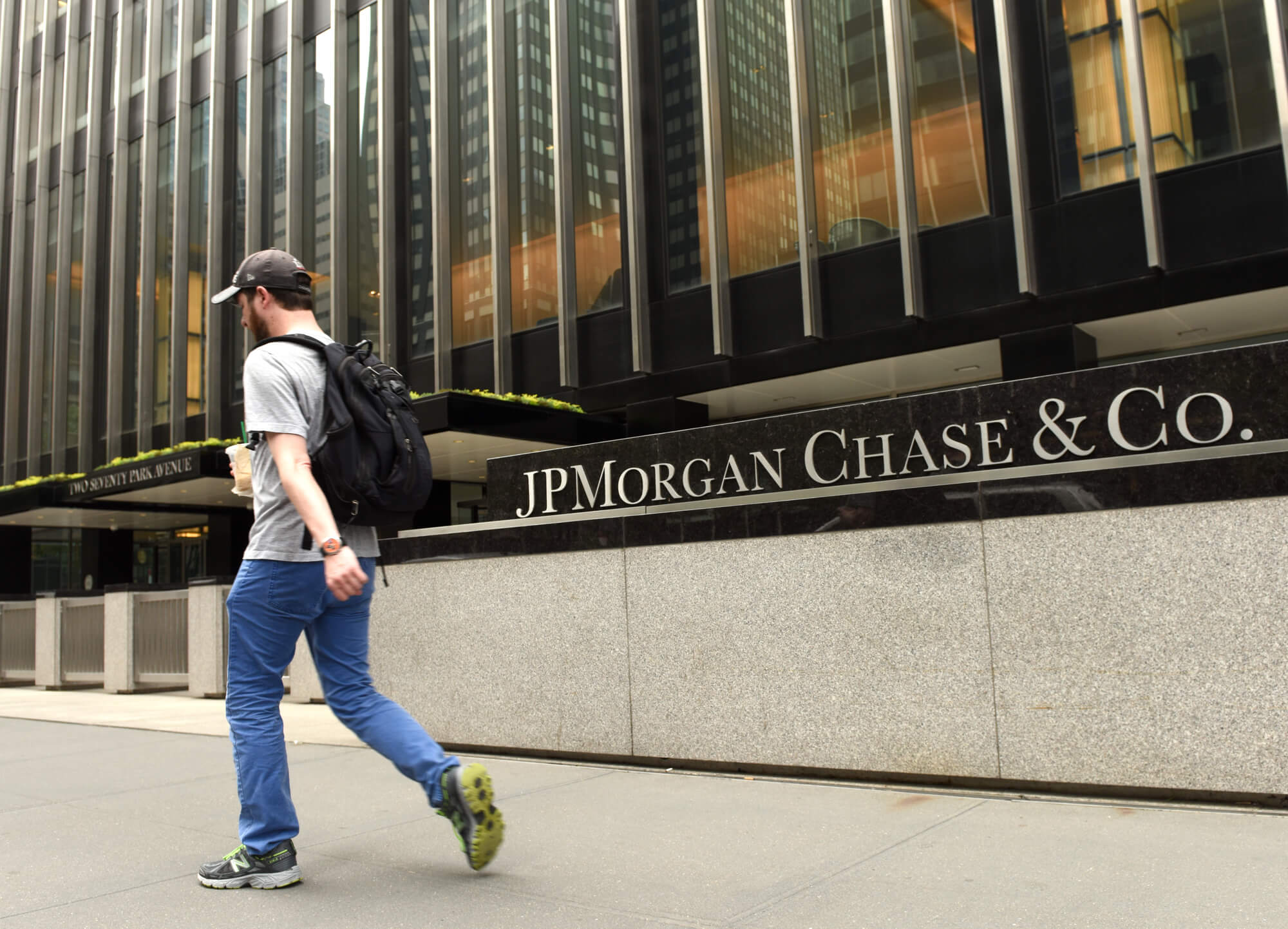
JPMorgan Chase sees the Clarity Act as the decisive catalyst for a crypto market recovery in the second half of 2026. In a research note, the US banking giant called regulatory clarity "the single largest barrier keeping institutional capital on the sidelines."
This forecast comes during a period of significant market weakness. Bitcoin is trading roughly 50 percent below its all-time high of over $126,000 from October 2025. Ethereum has lost around 34 percent since the start of the year. Both cryptocurrencies are posting their worst start to a year in over a decade.
Clarity Act: two Senate drafts, one core conflict
The Digital Asset Market Clarity Act passed the US House of Representatives with bipartisan support in July 2025. For the first time, the law would clearly divide jurisdiction over digital assets. The CFTC would receive exclusive jurisdiction over spot markets for digital commodities, while the SEC would retain oversight of investment contract assets. As a result, the years-long practice of regulation by enforcement would formally end.
In the Senate, however, two competing drafts exist. The Senate Banking Committee published a 278-page draft with over 100 amendments on January 12, 2026. Meanwhile, the Senate Agriculture Committee introduced its own version on January 21, the Digital Commodity Intermediaries Act. That committee then passed the draft on January 29. Both versions still need to be reconciled before the Senate can vote.
The biggest point of contention involves stablecoin yields. Specifically, it concerns whether crypto trading platforms like Coinbase may pay users interest for holding stablecoins. Under the Banking Committee draft, such interest is prohibited for simple holding but activity-based rewards remain allowed. Banks argue that stablecoin yields could draw deposits out of the banking system and threaten financial stability.
White House negotiations show progress
This conflict has triggered high-level mediation. In February 2026, three meetings took place at the White House, led by Trump crypto adviser Patrick Witt. Accordingly, the White House favors a compromise solution with limited stablecoin rewards and has pushed banks to make concessions.
Coinbase CEO Brian Armstrong had withdrawn his support for the bill in January 2026. According to Armstrong, it is not individual banks but banking associations that bear responsibility for the stalemate. Small and mid-sized banks primarily fear deposit outflows to large banks, not to stablecoin issuers. At the end of February, Armstrong nonetheless signaled there is a "path forward."
JPMorgan is meanwhile actively pursuing its own entry into crypto spot trading. The banking giant is exploring cryptocurrency trading and simultaneously emphasizes regulatory clarity as a prerequisite for broader institutional engagement.




GENIUS Act as precedent
The Clarity Act would not be the first regulatory framework for the industry. In July 2025, President Trump signed the GENIUS Act, the first comprehensive federal crypto law in US history. The Guiding and Establishing National Innovation for U.S. Stablecoins Act passed the Senate with a 68-to-30 vote. Subsequently, the House approved it 308 to 122.
The GENIUS Act mandates 100 percent reserve backing for stablecoins, either with cash or short-term US Treasury securities. Issuers must disclose their reserves monthly. Stablecoin holders enjoy priority status in the event of insolvency. Still, the law explicitly classifies payment stablecoins as neither securities nor commodities.
Broad bipartisan support for the GENIUS Act served as a signal that the Clarity Act was also achievable. Yet the Clarity Act is proving considerably more complex. Stablecoin transaction volume had surpassed that of Visa and Mastercard combined in 2024, underscoring the economic significance of these regulatory questions.
Time pressure from the midterm elections
JPMorgan ties its forecast to a clear condition: passage of the Clarity Act by mid-2026. As a midterm election year, the legislative window effectively closes after August. The Senate Banking Committee's markup vote has already been postponed. Two Senate drafts need to be reconciled, a stablecoin rewards compromise must be reached, and a vote in both chambers needs to be organized.
"If passed, it will reshape the market structure by providing regulatory clarity, ending regulation by enforcement, promoting tokenization, and enabling greater institutional participation." - JPMorgan Chase, Research Note
Should the law fail or face delays, the catalyst outlined by JPMorgan would disappear. For the crypto market, that would mean the institutional reluctance that JPMorgan identifies as the single largest barrier would persist.