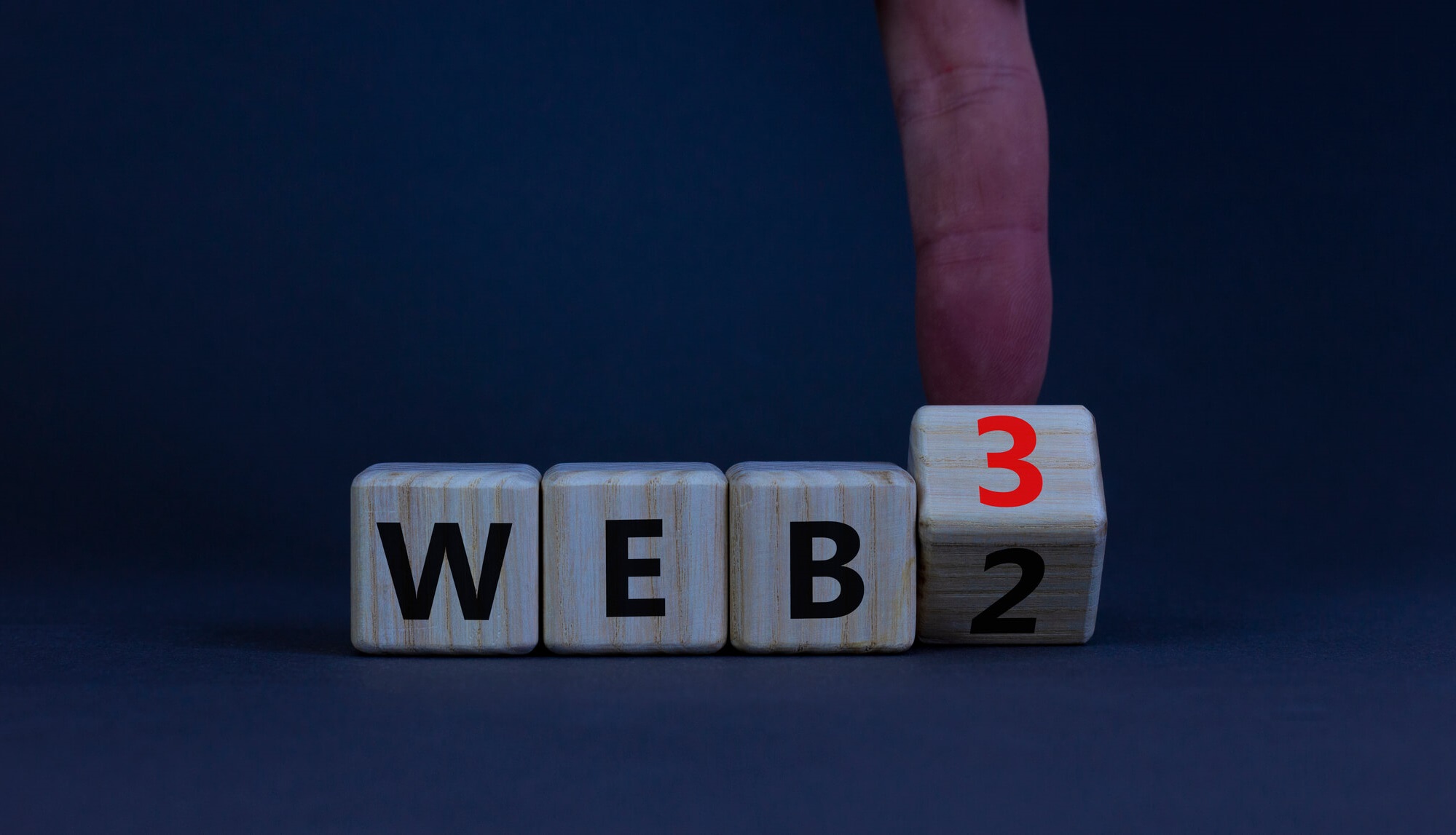
The so-called "Web 3.0" found its way into all corners of the tech and fashion world within a very short time. But what does Web3 actually mean and is it really a decisive paradigm shift?
Web 3.0, the much-hyped successor to Web 2.0, has sparked fervent debates and divided opinions among tech enthusiasts, economists, and policymakers alike. Proponents hail it as a transformative force, promising decentralization, democratization, and increased privacy. However, skeptics argue that the lofty promises of Web 3.0 may be nothing more than smoke and mirrors, with potential pitfalls and unintended consequences. Web 3.0 carries the potential to revolutionize industries, empower individuals, and reshape our digital landscape.
What is the Web 3.0?
It is a fancy term for the future of internet that gives you more power. It means you will have control over your data and digital activities. Imagine if you could choose who sees your Facebook posts or sell digital art without middleman. Web 3.0 promises a world where you are in charge and can do things in a smarter, fairer, and more private way. In more technical terms, Web 3.0 envisions a more user-centric online experience, where users have ownership of their data, identities, and digital assets.
To achieve all this, Web 3.0 leverages technologies like blockchain and decentralized networks (DeFi) to create trust. Artificial intelligence to enhance user experience, for example virtual reality (VR), augmented reality (AR) etc. So, if you are inside a metaverse trying to experience a virtual clothing store, or you are watching a movie in Apple’s new vision pro, that means you are a user of Web 3.0.
The illusion of decentralization
Web 3.0 champions often tout decentralization as its defining feature, promising to dismantle centralized power structures. However, the reality is far more nuanced. While blockchain technology facilitates peer-to-peer transactions, it does not guarantee true decentralization. The concentration of mining power, the rise of powerful crypto exchanges, and the dominance of a few influential players within the ecosystem all raise concerns about the potential creation of new centralization points. Web 3.0 may not be as decentralized as advertised, leading to new forms of power concentration and inequalities.
While Web 3.0’s proponents argue that it will democratize value creation, there is a risk that it could amplify existing inequalities. Early adopters and tech-savvy individuals may reap significant rewards, while those needing more resources or technical expertise may be left behind. The initial coin offering (ICO) frenzy of the past demonstrated how wealth could be concentrated in the hands of a select few, leaving average investors at a disadvantage. Without proper regulation and safeguards, Web 3.0 could exacerbate wealth disparities and contribute to a new breed of digital oligarchy.
Regulatory challenges and user adoption
Web 3.0 operates in a regulatory grey area, posing global challenges for governments and institutions. The decentralized nature of blockchain technology makes it difficult to enforce traditional regulations, potentially facilitating illicit activities such as money laundering and tax evasion. Striking a balance between innovation and regulatory oversight is crucial, but achieving this delicate equilibrium is no small feat. Governments must grapple with how to protect consumers, ensure financial stability, and prevent the abuse of power without stifling innovation or impeding technological progress.
For Web 3.0 to realize its potential, it must provide a seamless user experience that rivals or surpasses the convenience of Web 2.0. Interacting with decentralized applications (dApps) is often cumbersome, requiring technical proficiency and an understanding of complex concepts like private keys and wallet management. Mass adoption will only occur when Web 3.0 technologies are user-friendly, intuitive, and seamlessly integrated into peopleʼs everyday lives. Overcoming these user experience barriers remains a significant challenge on the path to widespread adoption.
Enhanced interoperability
Web 3.0 embraces interoperability, enabling seamless connectivity between different platforms and applications. In the current landscape, accessing and navigating various websites and services often requires creating multiple accounts and managing separate identities. Web 3.0 aims to overcome these limitations by providing a unified online experience. Through interoperable protocols and standards, Web 3.0 allows users to move effortlessly between different platforms, carrying their data and digital identities. This connectivity simplifies user experiences and encourages collaboration and innovation across different domains. By removing the silos that currently exist, Web 3.0 paves the way for a more integrated and efficient Internet ecosystem.



Unlocking new possibilities
Web 3.0 encompasses a range of innovative technologies that expand the possibilities of the digital realm. Smart contracts powered by blockchain enable self-executing agreements without intermediaries. These programmable contracts automate processes, ensure transparency, and eliminate the potential for human error or manipulation. Furthermore, decentralized applications (dApps) are at the heart of Web 3.0. Built on blockchain platforms, dApps offer new interaction, ownership, and value-creation models. They provide users with unique experiences, incentivizing participation and rewarding contributions. The open nature of dApps fosters collaboration and innovation, allowing developers to create groundbreaking solutions that cater to specific user needs.
Web 3.0 presents immense opportunities for businesses and entrepreneurs to innovate and thrive. The decentralized nature of Web 3.0 enables new business models that are more inclusive, fair, and transparent. It allows for the creation of decentralized marketplaces, where peer-to-peer transactions occur without intermediaries, reducing costs and increasing efficiency. Moreover, Web 3.0 encourages user engagement and participation through tokenization and incentivization. Businesses can reward users for their contributions, loyalty, and engagement by issuing tokens or digital assets. This novel approach fosters a sense of ownership and belonging, increasing user retention and brand loyalty.
Conclusion
Web 3.0 represents a controversial paradigm shift in the digital landscape, offering both potential benefits and significant challenges. While proponents hail its decentralization, empowerment of individuals and innovation potential, skeptics raise valid concerns about centralization, inequality amplification, environmental impact, regulatory challenges, and the balance between privacy and transparency. It is crucial to approach Web 3.0 with critical thinking, ethical considerations, and a commitment to creating a future that benefits all of society.
However, to fully realize the benefits of Web 3.0, challenges must be addressed. Efforts should be made to prevent the concentration of power and wealth, ensure environmental sustainability, establish appropriate regulatory frameworks, and strike the right balance between privacy and transparency. User experience barriers must also be overcome to achieve widespread adoption.