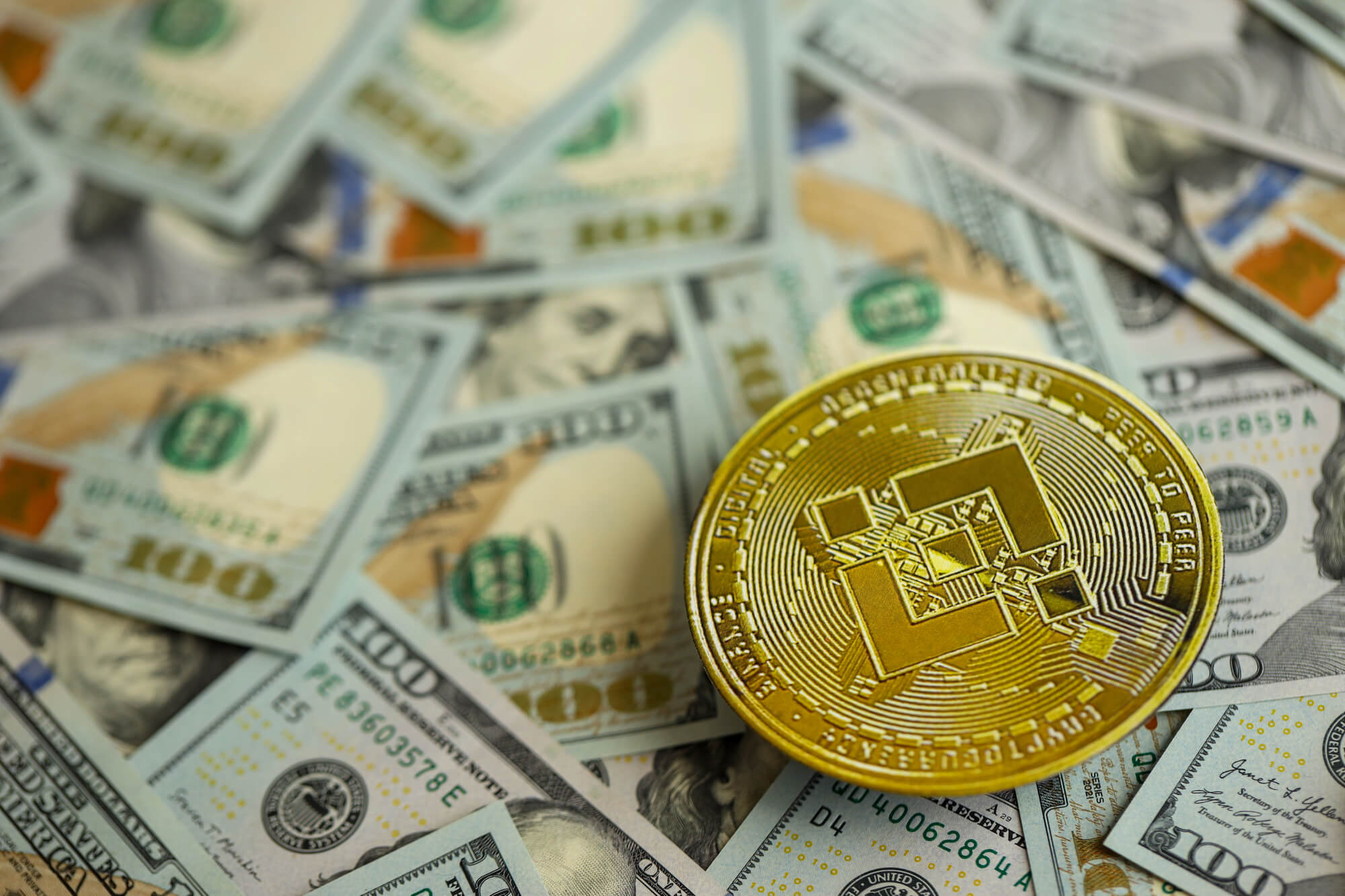
BNB is one of the most important cryptocurrencies in the market and is closely linked to the Binance ecosystem. Originally introduced as a discount token for trading fees, BNB has evolved into a versatile utility asset that plays a central role within the BNB Smart Chain, as well as in payments, staking, and a wide range of applications.
BNB is the native token of the Binance ecosystem and functions as a fee, governance, and utility token. Thanks to its broad range of use cases, BNB has become a core component of today’s crypto infrastructure.
Origin and development
BNB was introduced in 2017 as part of an initial coin offering (ICO) by Binance. At the beginning, the token primarily served to reduce trading fees on the Binance exchange. As Binance grew and expanded into its own blockchain infrastructure, BNB transformed from a pure exchange token into a multifunctional network asset.
Today, BNB is no longer tied solely to the exchange, but forms the economic foundation of the BNB Smart Chain (BSC), an independent layer-1 blockchain. On the BNB Smart Chain, BNB is used for transaction fees, smart contract execution, and staking. BSC is based on a proof-of-staked-authority-like model with a limited number of validators. This design enables fast block times and low fees, but also entails a higher degree of centralization compared to other layer-1 networks.




Use cases and ecosystem
BNB is used across numerous areas: in the DeFi sector, on NFT platforms, in gaming applications, as well as for payments and token launches. Many projects use BNB as a base asset for liquidity pools or fee models. In addition, BNB can be used on Binance for trading fee discounts, launchpads, and staking products.
A key element of BNB’s token economics is the regular token burn. Binance reduces the circulating supply through quarterly burns that are linked to trading volume and on-chain activity. The goal is to decrease the total supply over the long term and create scarcity.
BNB consistently ranks among the largest cryptocurrencies by market capitalization. The token benefits strongly from the success of the Binance ecosystem, but is also exposed to its risks – including regulatory developments or operational restrictions affecting the platform.