Close Menu
Crypto Valley Journal
    Facebook X (Twitter) Instagram
    Crypto Valley Journal
    • Hot Topics
      • News
      • Minds
    • Focus
      • Background
      • Blockchain
      • Legal & Compliance
      • Non-Fungible Token (NFTs)
    • Investing
      • Markets
      • Financial Products
      • Decentralized Finance (DeFi)
      • Exchange overview
    • Education
      • Basics
      • Glossary
      • Politicians on crypto
    • Statistics
      • Bitcoin-ETF-Flows
      • Ethereum-ETF-Flows
      • Crypto market data
      • On-chain data
    • Academy
      • Overview
      • Part 1: Blockchain
      • Part 2: Money
      • Part 3: Bitcoin
      • Part 4: Cryptocurrencies
      • Part 5: Decentralized Finance
      • Part 6: Investing
    • English
      • Deutsch
    Crypto Valley Journal
    You are at:Home»Glossary»Margin
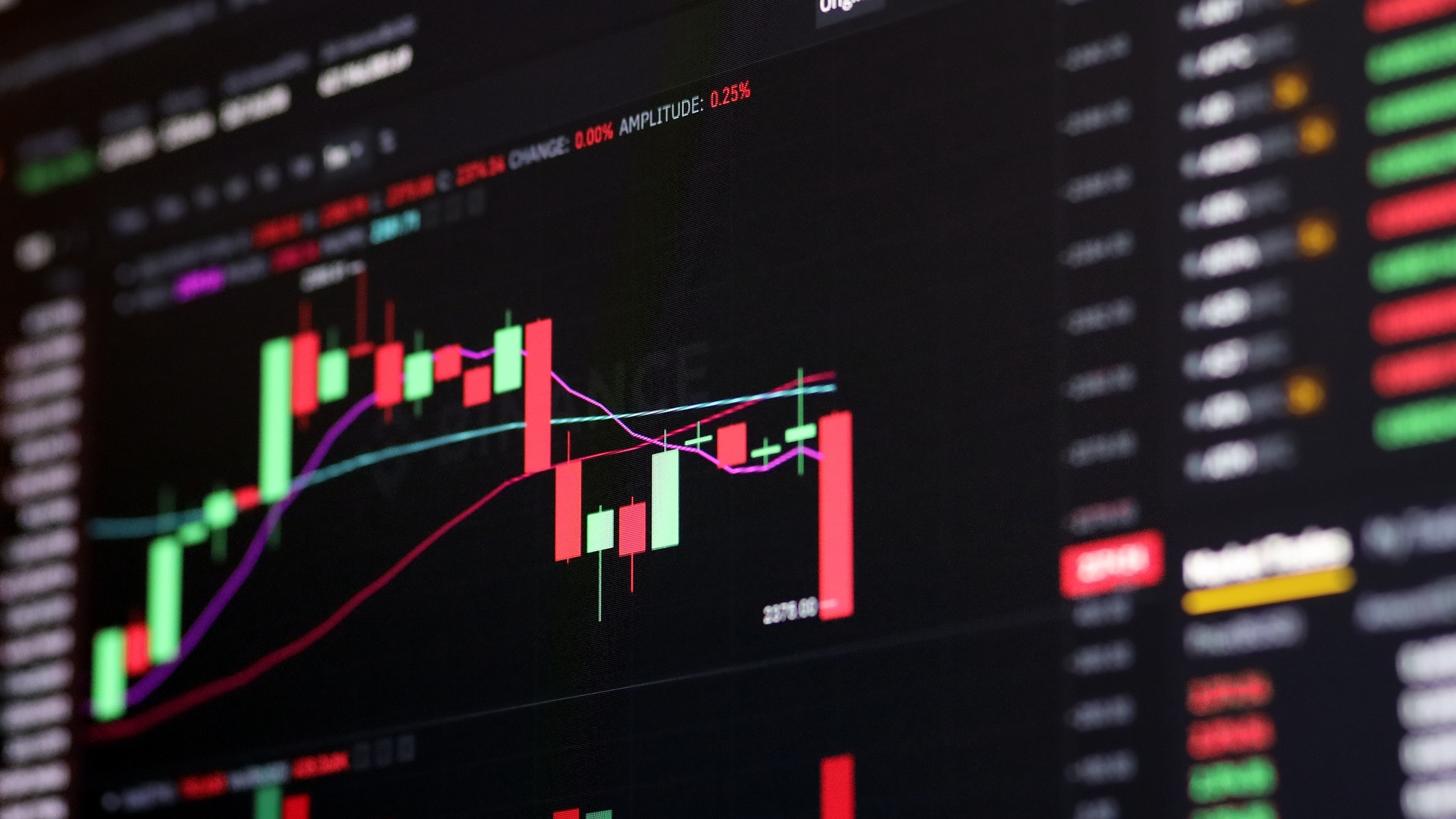
    Stock Market Trading graph candles Forex, Crypto Currency with technical price graph indicators and data mock up screenshot for trading financial and investment concept.

    Margin

    By Redaktion cvj.ch on 14. January 2026 Glossary

    Margin refers in financial and crypto trading to the use of borrowed capital in order to enter larger positions than one’s own balance would normally allow. The trader provides collateral - known as margin - thereby increasing overall market exposure.

    In margin trading, the user borrows capital from an exchange or broker. Profits and losses are calculated based on the full position size, not just the trader’s own capital. This significantly increases potential returns, but also substantially amplifies risk.

    Subscribe to our newsletter

    The best articles of the week, directly delivered into your mailbox.

    How margin trading works

    To trade on margin, the trader deposits a portion of the position’s value as initial margin. The remaining amount is borrowed. As long as the market moves in the intended direction, the trader can benefit from disproportionately higher gains. However, if the value of the position falls below a defined threshold, the platform will request additional capital (margin call) or automatically close the position (liquidation) to limit further losses.

    Margin is closely related to leverage, but the two are not identical. Margin represents the collateral, while leverage describes the ratio between the trader’s own capital and the total position size. For example, a margin of 10% corresponds to 10x leverage. The lower the margin requirement, the higher the risk of rapid liquidation.


    Ray Dalio’s Bridgewater Associates Minds

    Star investor Ray Dalio considers Bitcoin inferior to gold

    Analysis by Bitget Research on Bitcoin quantum computing risks, ECDSA exposure, NIST post-quantum standards, and BIP-360 migration paths. Background

    Bitcoin quantum computing: What recent developments mean for network security

    JPMorgan warns: Recurring DeFi exploits and stagnant ETH-denominated TVL curb institutional engagement in the DeFi sector. DeFi

    JPMorgan: DeFi hacks and TVL losses weigh on institutional investors

    Basics

    Unit bias in crypto: Why cheap coins mislead investors

    Ray Dalio’s Bridgewater Associates Minds

    Star investor Ray Dalio considers Bitcoin inferior to gold

    Analysis by Bitget Research on Bitcoin quantum computing risks, ECDSA exposure, NIST post-quantum standards, and BIP-360 migration paths. Background

    Bitcoin quantum computing: What recent developments mean for network security

    Use cases

    Margin trading is commonly used in spot margin trading, futures, and options strategies. In the crypto market, traders use margin to speculate on short-term price movements or to hedge existing positions. Due to the high volatility of digital assets, margin trading in crypto markets is particularly risky.

    In addition to price risk, margin trading involves extra costs, such as interest on borrowed capital or funding fees. Adverse market movements can quickly result in the total loss of the capital used. The risk of liquidation is especially high in illiquid or highly volatile markets.


    Analysis by Bitget Research on Bitcoin quantum computing risks, ECDSA exposure, NIST post-quantum standards, and BIP-360 migration paths. Background
    17. April 2026

    Bitcoin quantum computing: What recent developments mean for network security

    Analysis by Bitget Research on Bitcoin quantum computing risks, ECDSA exposure, NIST post-quantum standards, and BIP-360 migration paths.

    XRPL validator analyzes quantum risk: only 0.03% of XRP supply is exposed, compared to up to 35% for Bitcoin. Google sets 2029 deadline. Background
    14. April 2026

    Quantum risk: Is XRP more secure than Bitcoin?

    XRPL validator analyzes quantum risk: only 0.03% of XRP supply is exposed, compared to up to 35% for Bitcoin. Google sets 2029 deadline.

    13. April 2026

    Power Shift in Crypto Exchanges: Retail Overtakes Institutional

    Entdecken Sie die Vorteile von Bitcoin im Portfolio als Werkzeug zur Renditesteigerung und zum Schutz vor Inflation.
    9. April 2026

    Bitcoin’s role within an institutional portfolio

    AI agent security risks grow as autonomous systems shift from analysis to execution in crypto markets, a Bitget and SlowMist report warns.
    8. April 2026

    New research highlights security risks as AI agents shift to execution

    6. April 2026

    Crypto Myths 2026: Four Costly Mistakes Investors Make

    $500 million in minutes: Pump.fun writes ICO history
    3. April 2026

    Have launchpads like Pump.fun destroyed the altcoin market?

    2. April 2026

    Unit bias in crypto: Why cheap coins mislead investors

    Popular Posts
    About Crypto Valley Journal
    About Crypto Valley Journal

    On the pulse of the movement

    • Academy
    • Contact
    • Advertising
    • About us
    • Partner
    • Imprint
    • Privacy
    • Disclaimer
    Search

    Type above and press Enter to search. Press Esc to cancel.