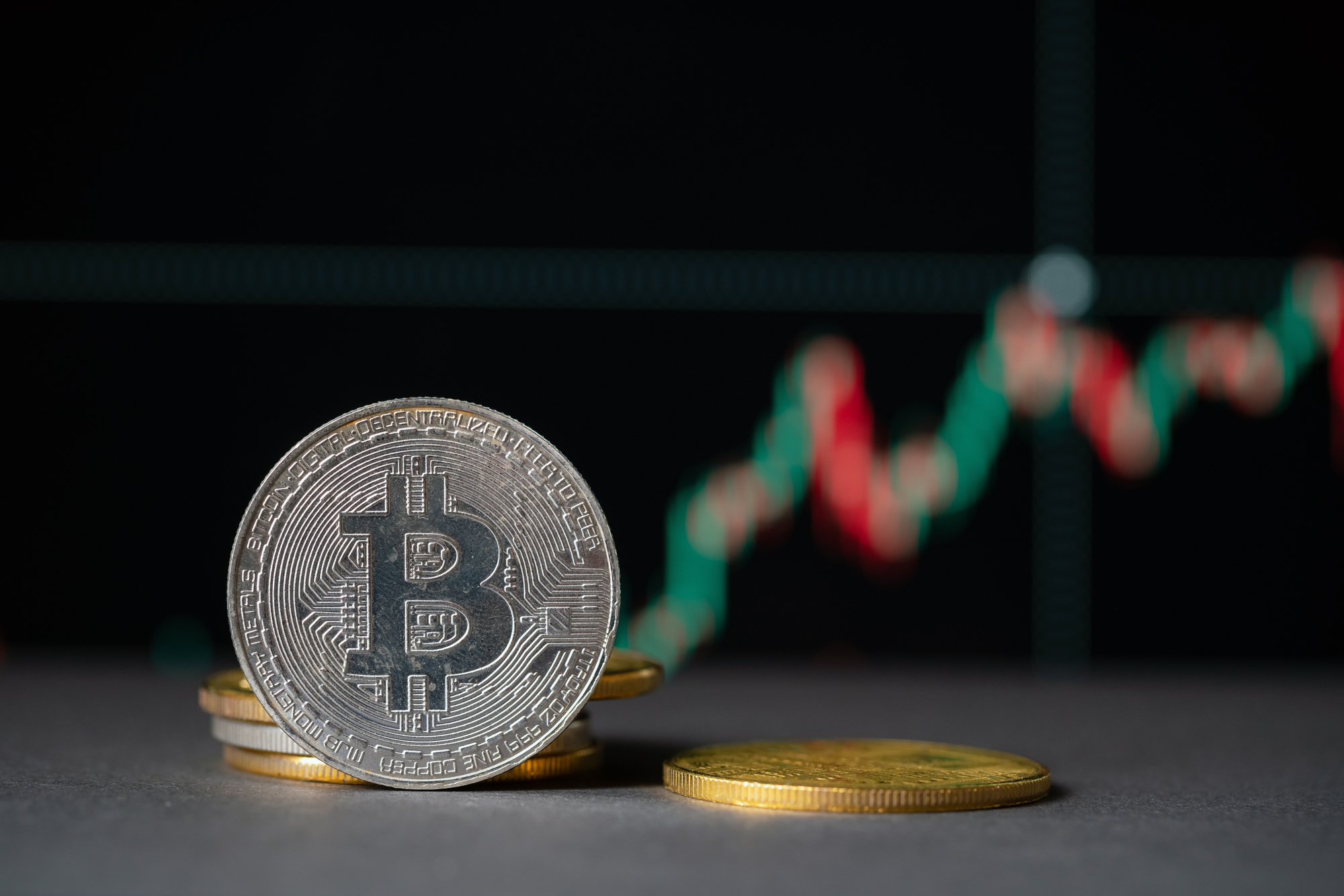
Market makers play a central, often largely invisible role in financial and crypto markets. They continuously provide buy and sell quotes, thereby ensuring liquidity, stable prices, and properly functioning trading venues. Without market makers, many markets would be far more illiquid, volatile, and inefficient.
A market maker is a participant that continuously quotes prices and provides trading volume. This enables smooth trading, reduces spreads, and stabilizes markets.
What is a market maker?
A market maker is a professional market participant that simultaneously provides buy and sell quotes for a specific asset. The goal is to offer tradable prices at all times so that market participants can buy or sell immediately. Market makers typically earn from the difference between the bid and ask price, known as the spread. Market makers operate on traditional exchanges, in foreign exchange markets, and increasingly in the crypto market.
In many cases, they are specialized trading firms with significant technical and financial resources. Market makers continuously place limit orders in the order book. In doing so, they temporarily assume price risk by buying or selling assets from their own inventory. This activity increases liquidity, reduces volatility, and results in tighter spreads, making trading more cost-efficient for all market participants.
On regulated exchanges, market makers are often contractually obligated to provide minimum liquidity or cover specific trading hours. In the crypto market, this role is filled both by specialized firms and by automated systems.



Market makers in the crypto market
In the crypto sector, market makers are particularly important, as many tokens would hardly be tradable without active liquidity provision. Exchanges often work with external market-making firms to ensure liquidity for new listings and to prevent extreme price fluctuations. In addition, there are automated market makers (AMMs) such as Uniswap, where liquidity is not provided by individual firms but by users through liquidity pools. This model replaces traditional order books with mathematical pricing formulas.
Market makers bear market and inventory risks. At the same time, they are frequently criticized, especially in the crypto market, where a lack of transparency, conflicts of interest, or unfair advantages are suspected. In regulated markets, market makers are therefore subject to strict supervisory and disclosure requirements. Without market makers, efficient trading would hardly be possible. They are a core component of well-functioning markets, even if their role often remains invisible to end users.