Close Menu
Crypto Valley Journal
    Facebook X (Twitter) Instagram
    Crypto Valley Journal
    • Hot Topics
      • News
      • Minds
    • Focus
      • Background
      • Blockchain
      • Legal & Compliance
      • Non-Fungible Token (NFTs)
    • Investing
      • Markets
      • Financial Products
      • Decentralized Finance (DeFi)
      • Exchange overview
    • Education
      • Basics
      • Glossary
      • Politicians on crypto
    • Statistics
      • Bitcoin-ETF-Flows
      • Ethereum-ETF-Flows
      • Crypto market data
      • On-chain data
    • Academy
      • Overview
      • Part 1: Blockchain
      • Part 2: Money
      • Part 3: Bitcoin
      • Part 4: Cryptocurrencies
      • Part 5: Decentralized Finance
      • Part 6: Investing
    • English
      • Deutsch
    Crypto Valley Journal
    You are at:Home»Glossary»Minting
    What is minting?

    Minting

    By Editorial Office CVJ.CH on 27. November 2023 Glossary

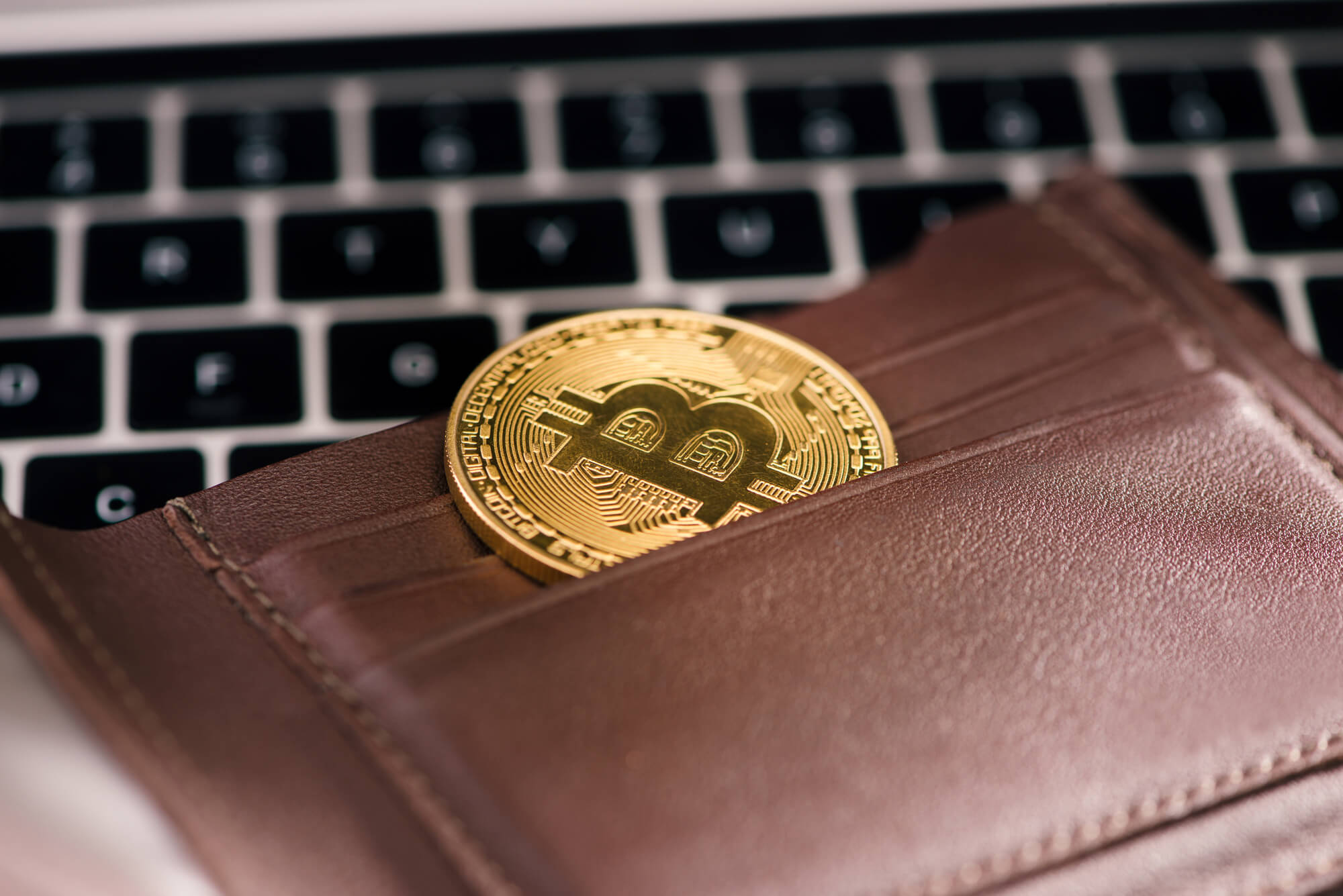
    In the world of blockchain, the expression "to mint" describes the issuance of coins or other financial instruments (e.g. NFTs). The original meaning comes from the production of physical currency, such as gold or silver coins. Similarly in the blockchain space the term is used to describe the creation of digital assets or tokens when they are first released onto the blockchain.

    New coins are minted by validating data, through the verification of new blocks which hold the data of current transactions. In the case of NFTs, the tokens are released by a smart contract upon the receipt of the required funds. Once minted, the tokens enter circulation, and become available for trading in the market.

    When are cryptocurrencies minted?

    Cryptocurrencies are minted in different ways depending on the type of blockchain used.

    • Proof of Work (PoW)
      PoW is an approach used by networks such as Bitcoin. Miners do the "work" by validating the blocks of the current Bitcoin transactions. As a reward the miners receive Bitcoin. The BTC used to reward miners is minted and hasn't been in circulation until this point.
    • Proof of Stake (PoS)
      The most famous PoS blockchain is Ethereum (formerly PoW). In PoS blockchains there are "stakers" who commit existing coins to a "stake pool", a pool of temporarily locked funds. The validators are randomly selected based on the number of staked coins to validate transactions. For each successful validation the validators receive a payout in minted tokens.

    What is NFT Minting?

    Non-fungible tokens (NFTs) are unique digital tokens that establish ownership of specific digital assets such as artwork, in-game items, videos or music. NFTs are typically minted on a project's "mint page". Users can connect their wallets and perform a crypto transfer for the specified currency and amount. The smart contract automatically releases the NFT to the buyer's wallet upon receipt of the correct amount of digital assets.

    NFTs can also be minted by creators, typically done in the art space with 1of1s (unique pieces). Through this creators gain ownership and control of their work, allowing them to create exclusive communities and perks for NFT holders. NFT minting offers a significant advantage in terms of monetisation. Creators can directly monetise their digital creations by selling NFTs on online marketplaces. This shift from traditional methods such as gallery exhibitions or licensing deals allows creators to take control of their financial success.


    CLARITY Act DeFi Background
    7. May 2026

    CLARITY Act: The year’s most important crypto deal heads for a decision

    The CLARITY Act is set to shape the future market structure of digital assets in…

    Analysis by Bitget Research on Bitcoin quantum computing risks, ECDSA exposure, NIST post-quantum standards, and BIP-360 migration paths. Background
    17. April 2026

    Bitcoin quantum computing: What recent developments mean for network security

    Analysis by Bitget Research on Bitcoin quantum computing risks, ECDSA exposure, NIST post-quantum standards, and BIP-360 migration paths.

    XRPL validator analyzes quantum risk: only 0.03% of XRP supply is exposed, compared to up to 35% for Bitcoin. Google sets 2029 deadline.
    14. April 2026

    Quantum risk: Is XRP more secure than Bitcoin?

    13. April 2026

    Power Shift in Crypto Exchanges: Retail Overtakes Institutional

    Entdecken Sie die Vorteile von Bitcoin im Portfolio als Werkzeug zur Renditesteigerung und zum Schutz vor Inflation.
    9. April 2026

    Bitcoin’s role within an institutional portfolio

    AI agent security risks grow as autonomous systems shift from analysis to execution in crypto markets, a Bitget and SlowMist report warns.
    8. April 2026

    New research highlights security risks as AI agents shift to execution

    6. April 2026

    Crypto Myths 2026: Four Costly Mistakes Investors Make

    $500 million in minutes: Pump.fun writes ICO history
    3. April 2026

    Have launchpads like Pump.fun destroyed the altcoin market?

    Popular Posts
    About Crypto Valley Journal
    About Crypto Valley Journal

    On the pulse of the movement

    • Academy
    • Contact
    • Advertising
    • About us
    • Partner
    • Imprint
    • Privacy
    • Disclaimer
    Search

    Type above and press Enter to search. Press Esc to cancel.