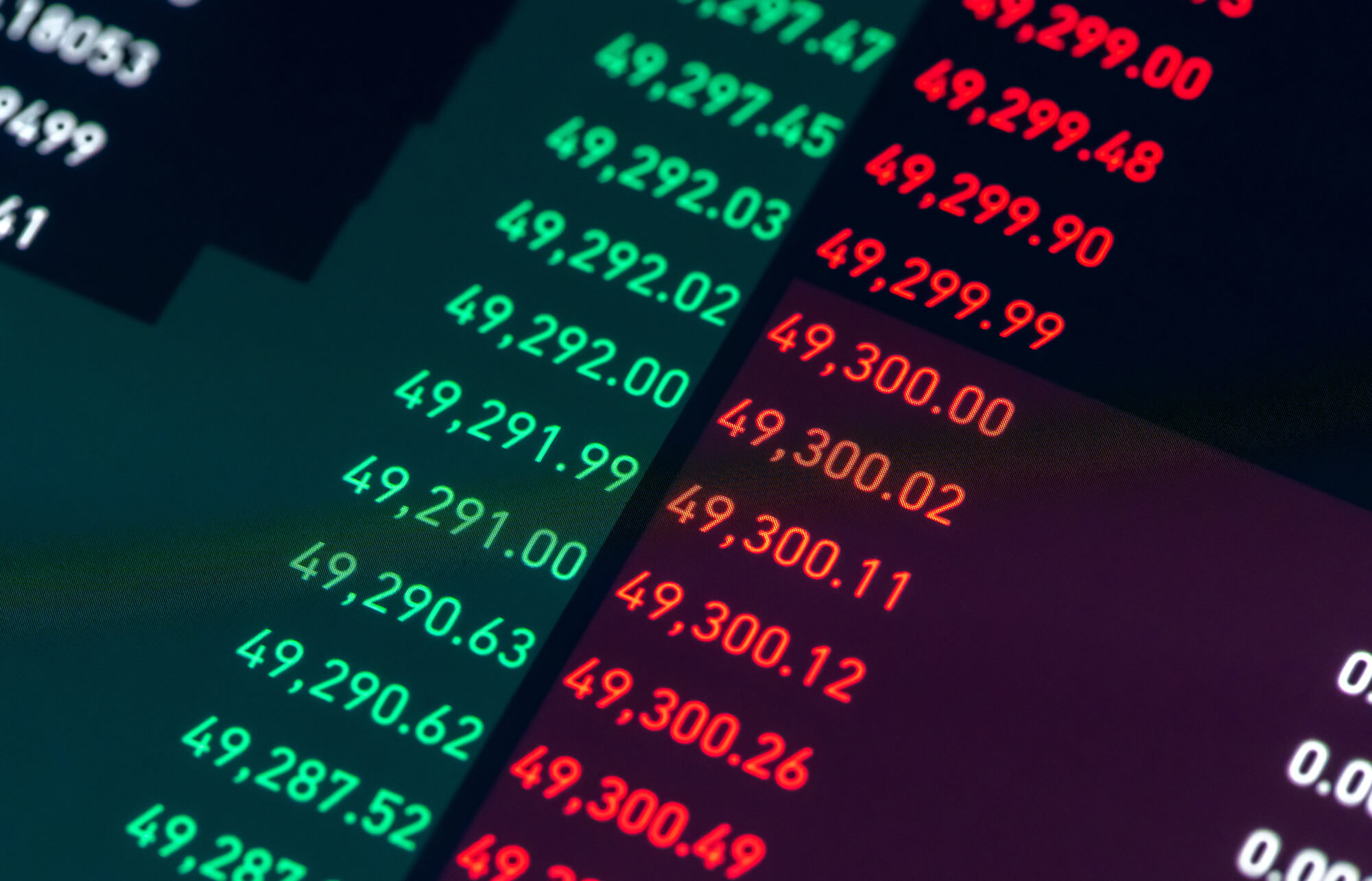
Order flow is a core concept in professional trading and describes the actual stream of buy and sell orders in the market. Unlike traditional chart indicators, order flow shows where real trading volume is occurring and how market participants are positioning themselves in real time.
Order-flow analysis is gaining importance particularly in derivatives, futures, and increasingly in crypto trading. Order flow analyzes incoming market orders and liquidity to make supply and demand dynamics visible. It provides insights into short-term price movements and price discovery.
What is order flow?
Order flow refers to the sequence and volume of actually executed buy and sell orders. It shows whether market orders are predominantly aggressive buyers or sellers and how much liquidity is available at specific price levels. The focus is not on historical prices, but on real market activity in real time. Order flow distinguishes between aggressive market orders (which take existing liquidity from the order book) and passive limit orders (which provide liquidity).
Order-flow analysis evaluates data such as time and sales, volume profiles, bid-ask imbalances, or delta volume. This information helps determine whether price movements are supported by genuine demand or are occurring in low-liquidity conditions. Rising prices accompanied by declining aggressive buying volume can signal weakness, while strong buying volume at resistance levels may indicate accumulation.
Importance in the crypto market
In crypto trading, order flow is particularly relevant because many markets operate 24/7 and exhibit high volatility. Professional traders use order-flow data to identify liquidity zones, stop clusters, and short-term turning points. Centralized exchanges provide detailed order book and execution data for this purpose. In DeFi markets, order flow is more indirect, for example through on-chain data and liquidity pools.
While classical technical analysis is based on historical price patterns, order flow examines the underlying cause of price movements. Many professional traders combine both approaches to better assess market structure and timing. Order flow offers deeper market insight, but requires experience, high-quality data, and rapid analysis. Misinterpretations are possible, especially in illiquid markets or in the presence of manipulative orders.