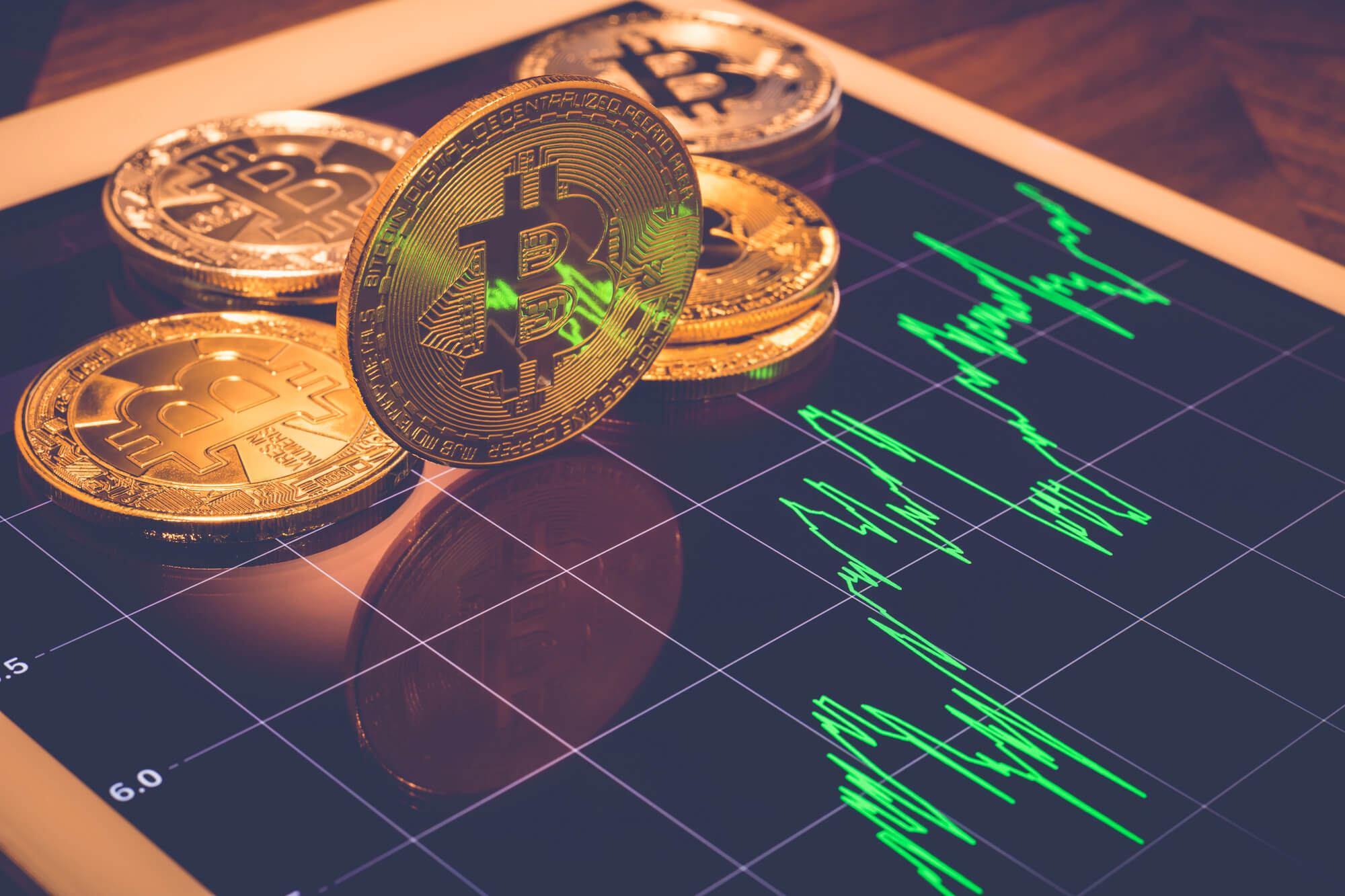
In the crypto market, a pump refers to a rapid and unusually strong price increase of a token. Such movements can occur organically - for example due to news or broader market impulses - but they frequently arise in the context of speculative activity.
A pump describes a sudden price rally that usually takes place over a short period of time and attracts buyers who speculate on further gains. Pumps can be triggered by fundamental developments, but they are often driven by exaggerated market sentiment or coordinated activity.
Dynamics and causes of a pump
A pump typically occurs when sharply rising demand meets limited liquidity. This can be triggered by positive news, announcements, exchange listings, or activity on social media. As attention increases, the movement reinforces itself: new market participants enter because they expect short-term price increases. This accelerates the price rise, even if no long-term value creation underlies the move.
In less regulated or illiquid markets, pumps can also be created by coordinated buyer groups that constrain supply and artificially drive prices higher. These mechanisms occur particularly frequently in small altcoins, whose market structure is easy to influence.
Distinction from a long-term trend
A pump differs from sustainable growth in both its speed and its lack of fundamental support. While a trend develops over weeks or months, a pump unfolds within minutes, hours, or a few days. It is often followed by an equally rapid correction once demand subsides.
Pumps frequently attract inexperienced investors who enter the market driven by FOMO and then incur losses shortly afterward when prices fall again. Without sufficient liquidity and fundamental value, prices can collapse quickly. Anyone trading pumps therefore takes on significant risk and should carefully analyze market structure, trading volume, and the news environment.