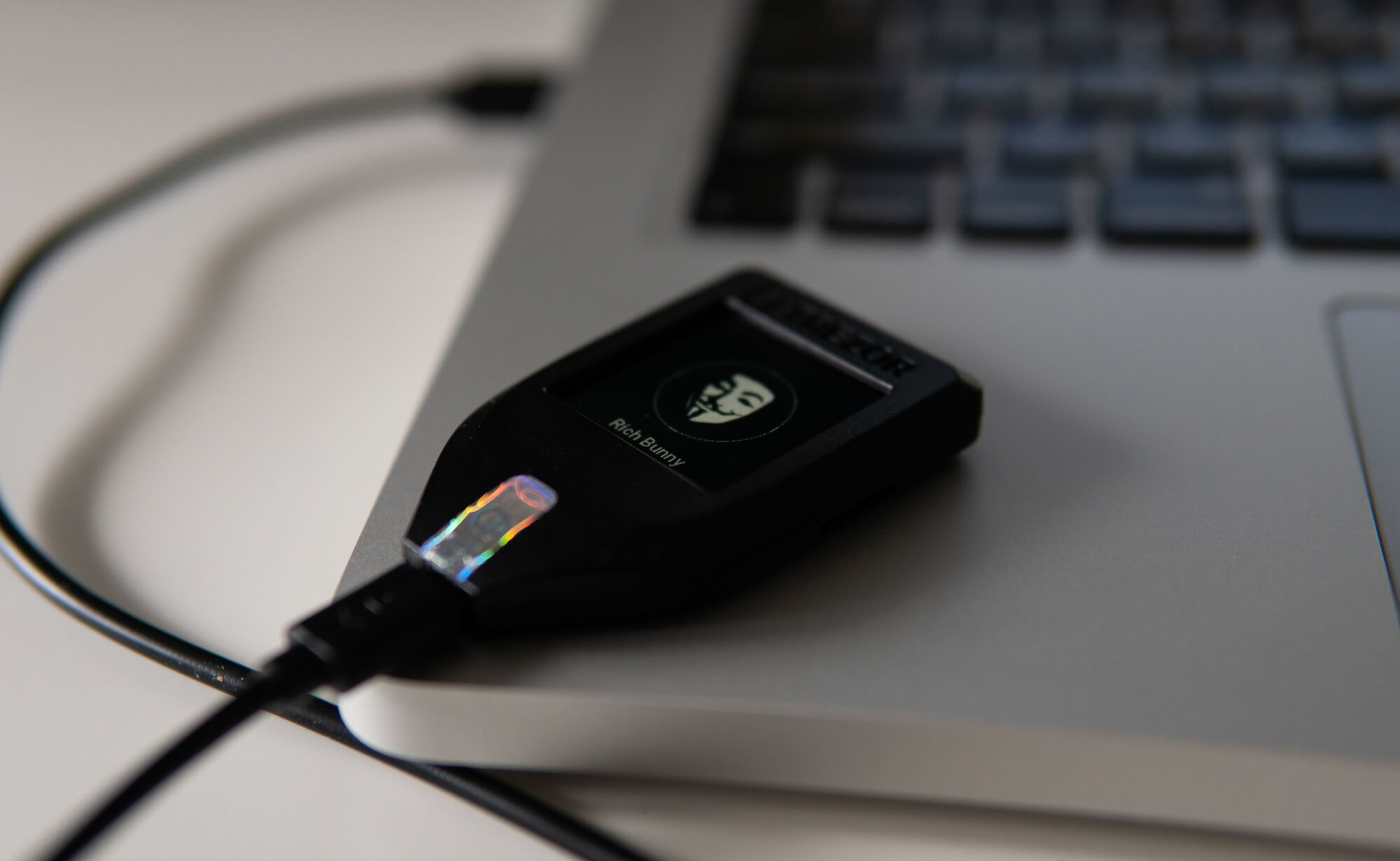
Self-custody is one of the core principles of cryptocurrencies and fundamentally distinguishes them from the traditional financial system. The term describes direct control over digital assets without reliance on banks, exchanges, or other intermediaries.
At a time of increasing regulation and recurring issues with exchanges, self-custody is gaining renewed attention. Self-custody means that users hold and manage their cryptocurrencies themselves and have sole control over their private keys. This comes with maximum control - but also full responsibility for security and access.
What does self-custody mean?
With self-custody, the user personally holds the cryptographic keys to their wallets. These private keys are required to sign transactions and move assets. Whoever controls the key controls the coins. There is no central authority with access or the ability to approve transactions. In contrast, custodial custody involves exchanges, banks, or brokers holding assets on behalf of the user. In that case, the user only has a claim, not actual control over the coins.
Self-custody is typically implemented through software wallets, hardware wallets, and increasingly through smart wallets. Access is secured via a seed phrase or a private key. These credentials cannot be recovered if lost, which makes self-custody highly secure but also prone to user error. Modern wallet solutions aim to improve usability through features such as multisignature setups or social recovery models, without relinquishing control to third parties.
Advantages of self-custody
The primary advantage is independence from intermediaries. Users are not exposed to insolvencies, account freezes, or regulatory actions that can affect centralized platforms. Self-custody also enables direct access to DeFi protocols, NFT marketplaces, and on-chain applications. Another key aspect is censorship resistance. Transactions can be executed globally at any time, without approval or restrictions from third parties.
Self-custody shifts full responsibility to the user. Improper backups, phishing attacks, or loss of the seed phrase usually result in the permanent loss of assets. There is no central entity that can provide assistance. As a result, self-custody requires a high level of security awareness and disciplined handling of sensitive information. Self-custody is considered a cornerstone of the crypto ethos and is often summarized by the principle “not your keys, not your coins.” It is becoming increasingly important, especially for long-term investors and institutional participants.