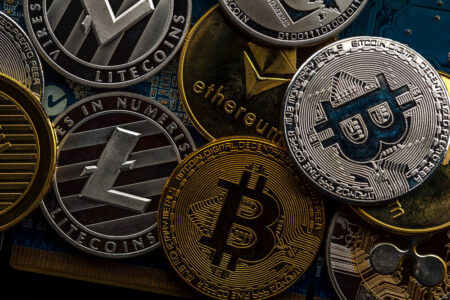
Stablecoins are digital assets whose value is pegged to an external reference – most commonly the US dollar – in order to avoid the price volatility seen with Bitcoin or Ethereum. They combine the advantages of cryptocurrencies with the stability of traditional financial assets and form the foundation for payments, trading, and liquidity in Web3.
Stablecoins aim to maintain a stable price and serve within the crypto ecosystem as a means of payment, store of value, trading currency, and bridge between fiat and on-chain finance. Depending on the backing model, several types exist: fiat-backed, crypto-backed, commodity-backed, and algorithmic stablecoins.
Fiat-backed stablecoins – backed by traditional currencies
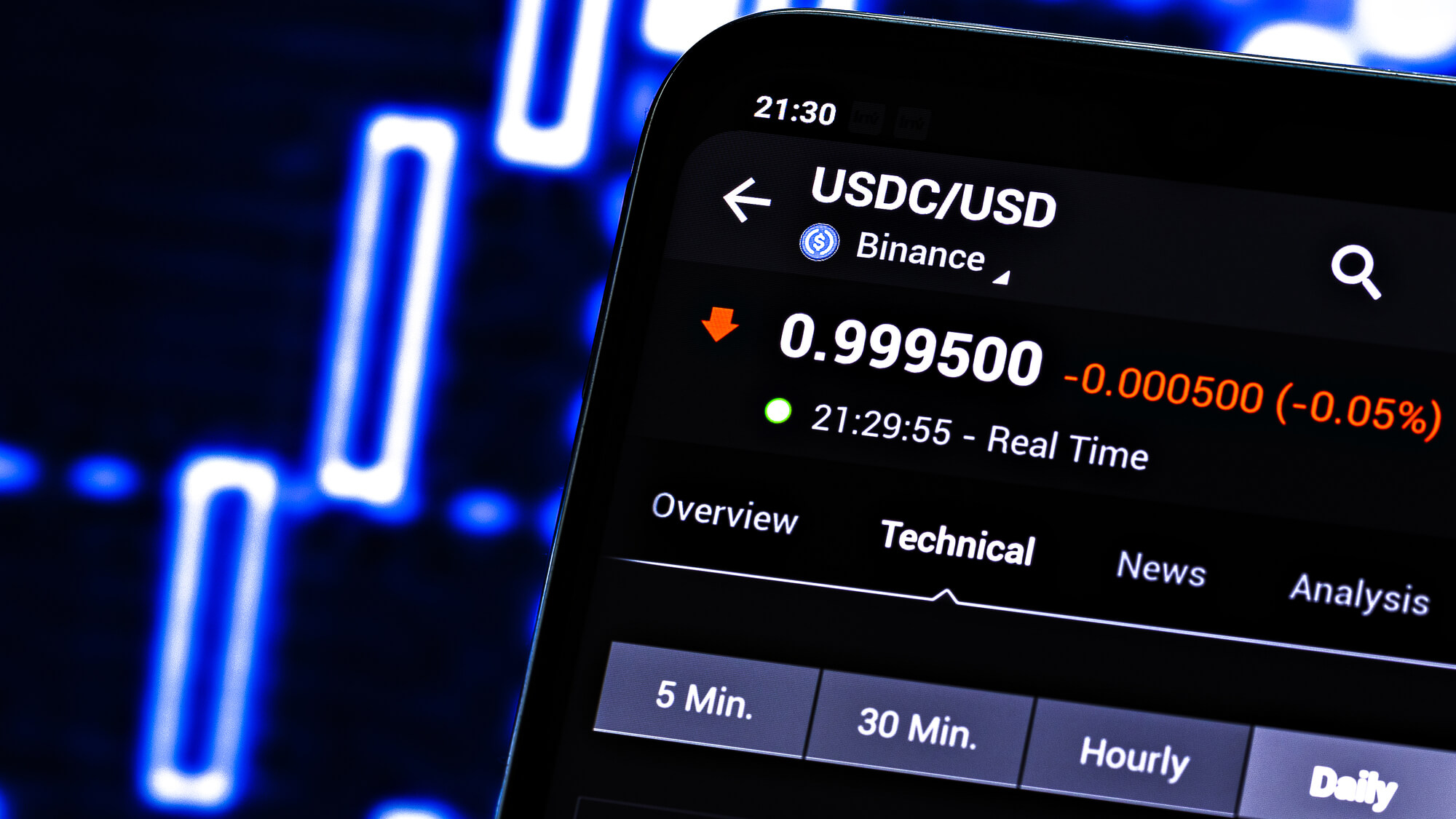
Fiat-backed stablecoins are backed 1:1 by traditional currencies such as the US dollar or the euro. For every token issued, an equivalent amount is held in bank accounts or short-term money market instruments. Stablecoins such as USDT (Tether), USDC (Circle), or EURC are the most widely used form. They are considered relatively stable, but are under regulatory scrutiny due to centralized custody and transparency requirements.
Crypto-backed stablecoins – collateralized by crypto assets
Crypto-backed models secure their value through on-chain collateral in the form of cryptocurrencies such as ETH, wBTC, or LSTs. Users deposit more collateral than the stablecoin’s value in order to absorb price fluctuations. The best-known example is DAI from MakerDAO. These stablecoins are more decentralized, but more vulnerable to liquidations during sharp market downturns.
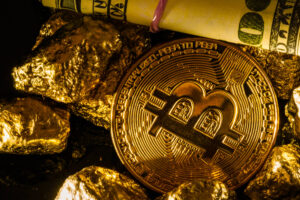
In addition to fiat and crypto, there are stablecoins backed by physical assets such as gold, precious metals, or commodities. They offer a tokenized form of assets that are traditionally considered safe. Examples include PAXG (gold) or XAUT. Their use is growing particularly in the areas of wealth preservation and tokenized real-world assets (RWA).




Algorithmic stablecoins
Algorithmic stablecoins attempt to achieve price stability without direct collateral. Instead, smart contracts manage supply: if the price rises above 1 USD, new tokens are issued; if it falls below, supply is reduced or a secondary token mechanism is activated. Models such as UST have shown that these systems can fail under stress conditions. Purely algorithmic solutions are now considered experimental and high-risk, while hybrid variants combine algorithms with reserves to enhance stability.