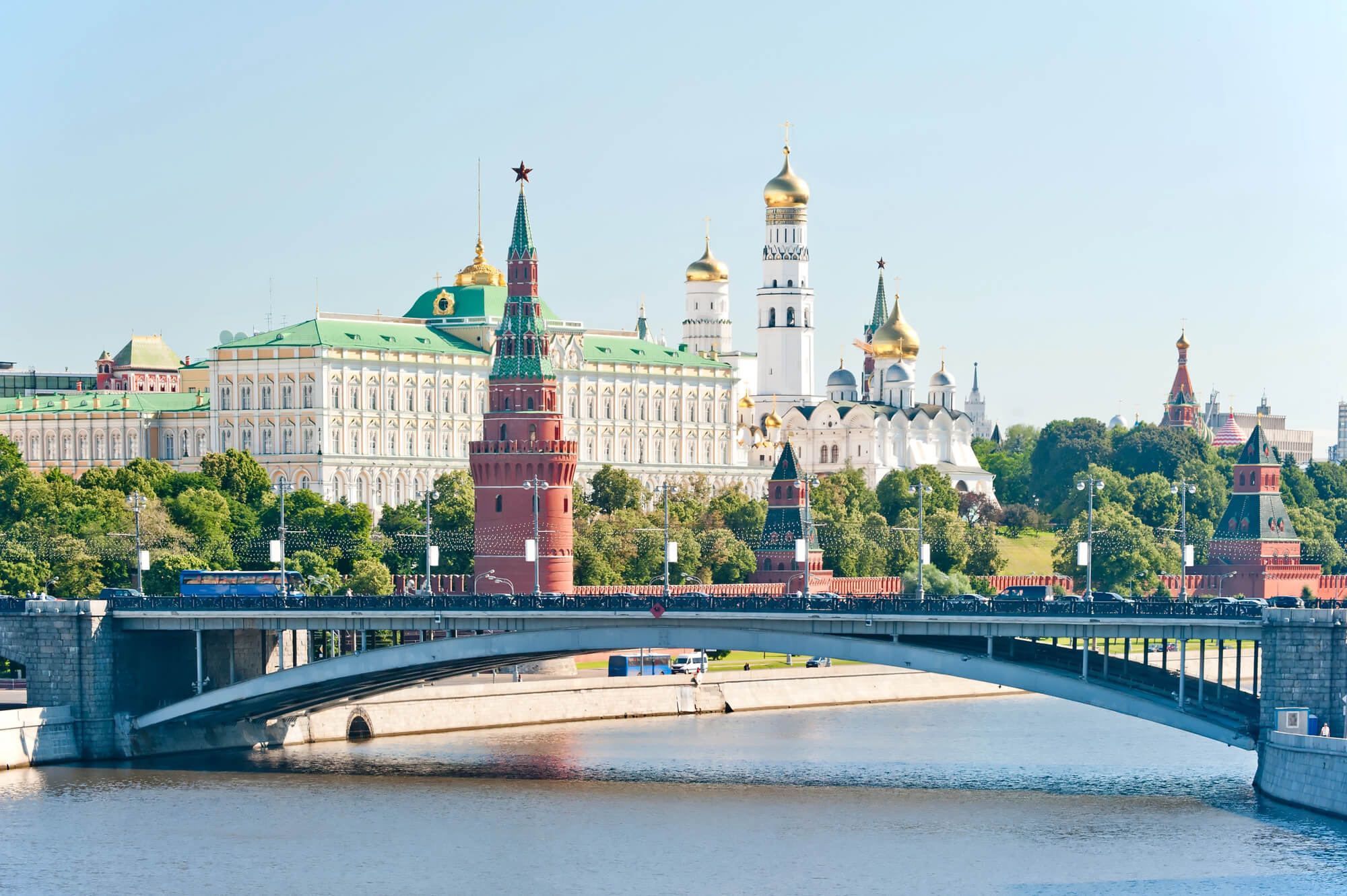
Russia is finalizing a law that will allow non-qualified investors regulated cryptocurrency trading for the first time. Anatoly Aksakov, Chairman of the State Duma's Financial Market Committee, confirmed to the state news agency TASS: The draft legislation is complete.
Parliament is expected to discuss the regulation during its spring session. After years of restrictive policy, this marks a clear policy shift. The central bank aims to establish a legal framework by July 1, 2026, that recognizes digital assets as an asset class. The planned regulation clearly distinguishes between qualified and non-qualified investors. Retail investors will be allowed to invest up to 300,000 rubles ($3,800) per year, subject to passing a risk awareness knowledge test. Professional market participants trade without volume restrictions. Both groups must complete a risk assessment, while anonymous cryptocurrencies remain prohibited for all.
Two-tier investor model with clear limits
On December 23, 2025, the Bank of Russia published a concept paper outlining the regulatory foundations. Only the most liquid cryptocurrencies will be available to retail investors. Future legislation will define which specific assets qualify. The annual limit of 300,000 rubles ($3,800) applies per intermediary. Professional investors face no volume restrictions.
To qualify as a qualified investor, individuals must meet at least one of several criteria: 6 million rubles ($76,000) in securities and derivatives, two to three years of professional experience in securities trading, or recognized certifications such as CFA or FRM. Alternatively, ten transactions per quarter over four quarters with a total volume of 6 million rubles ($76,000) suffice. Different thresholds apply to legal entities: 200 million rubles ($2.5 million) in net assets or 2 billion rubles ($25 million) in annual revenue.
Cryptocurrencies remain banned as payment instruments within Russia. But the law explicitly permits cross-border transactions. Russian citizens may purchase through foreign accounts and transfer abroad via Russian intermediaries. Reporting requirements to tax authorities apply. Privacy coins like Monero or Zcash (which obscure transaction data) are prohibited for all investor groups.
From pyramid scheme to investment instrument
A remarkable policy reversal. In 2022, the central bank labeled cryptocurrencies a pyramid scheme and demanded a complete ban. Now Moscow is pursuing controlled integration rather than prohibition. The Bank of Russia still warns of risks: digital assets are volatile, not government-guaranteed, and subject to heightened sanctions and operational risks. Investors must anticipate total loss.
The policy shift reflects growing crypto adoption, particularly for cross-border payments. Following international sanctions, Russian companies increasingly use digital assets in foreign trade. Chainalysis data shows: Between July 2024 and June 2025, Russia recorded crypto transactions worth $376.3 billion. The United Kingdom reached $273.2 billion, making Russia the largest European crypto market by transaction volume.
The Moscow Exchange (MOEX) and St. Petersburg Stock Exchange plan to offer regulated crypto trading from mid-2026. MOEX is developing a dedicated trading and settlement system. The St. Petersburg Stock Exchange already has the necessary infrastructure. Trading volume for crypto futures on MOEX recently hit $636 million, a new record for derivative contracts.


Cross-border trading as strategic objective
For trade with other BRICS states, the St. Petersburg Stock Exchange views cryptocurrencies as key to bypassing Western-dominated financial systems. Aksakov explained the legislation will not only regulate domestic trading but also facilitate international use: cross-border settlements and the placement of Russian tokens on foreign markets.
The legal framework should be in place by July 1, 2026. One year later, from July 1, 2027, liability regulations for illegal activities by crypto intermediaries take effect. Penalties will align with those for illegal banking operations. Aksakov stated: "A draft law has already been prepared that removes cryptocurrencies from special financial regulation. They will thus become an ordinary part of our lives."
Controlled opening with political calculation
Pragmatism shapes Russia's approach to technological and geopolitical realities. The central bank still classifies cryptocurrencies as high-risk but acknowledges their growing importance for capital flows and international trade. Volume limits for retail investors and restrictions to liquid assets aim to limit speculation bubbles and capital outflows.
Exchanges have lead time until mid-2026 for technical adjustments. And the legislature creates room to respond to international developments. Whether integrating cryptocurrencies into existing financial infrastructure strengthens Russia's position in a fragmented global financial system will become clear after implementation.